Ford targets top efficiency with new affordable electric pickup
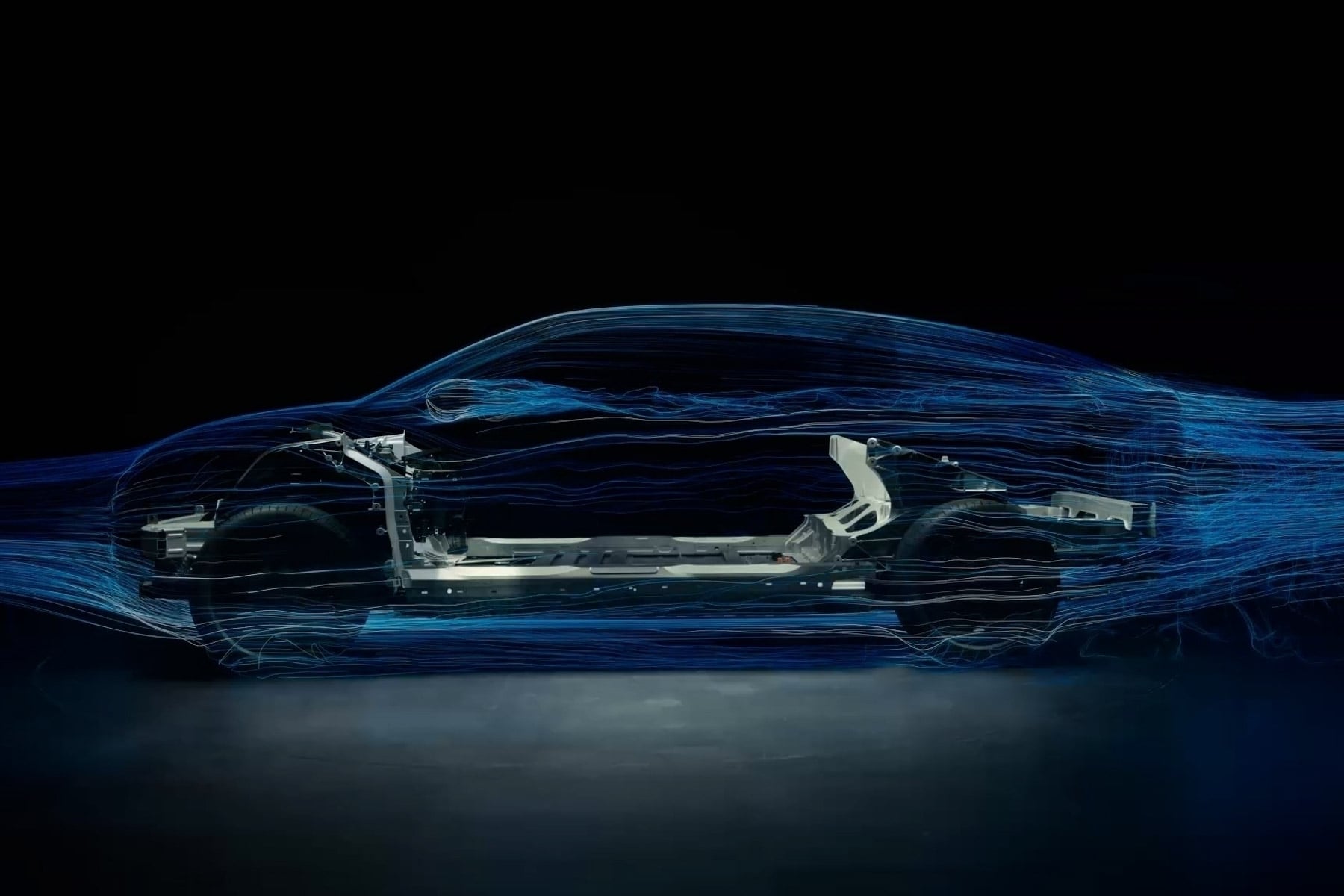
Ford described its Universal EV Platform as the ‘Model T moment’ for electric vehicles during its initial announcement last year. At the time, the focus was primarily on the associated production system, which aims to revolutionise electric vehicle manufacturing, much as the first mass-produced model did on the assembly line. Three sub-assemblies—the front, the rear, and the vehicle’s midsection containing the battery—are pre-assembled on dedicated lines and only combined near the end of the production process. These individual modules are manufactured using large, one-piece aluminium unibody castings.The vehicle itself, a battery-electric pickup with a base price of around $30,000 (currently approximately €25,300), was only briefly mentioned at the time. It has since been confirmed that the base model will feature an LFP battery produced in Michigan. Ford has now shared further details: the vehicle will incorporate a structural battery, a first for the US manufacturer. The battery pack, integrated as a load-bearing component, uses prismatic cells. However, Ford has yet to disclose the exact battery size or range.The latest updates focus on how engineers and designers are collaborating to create the best possible product for customers. “Historically, engineers in traditional automotive companies can be siloed in departments that match the component or system they are assigned to. They’re expected to advocate for the part they are working on while decreasing its cost, often without the context of understanding how it impacts the customer’s experience or performance of the vehicle,” says Alan Clarke, Head of Advanced Electric Vehicle Development at Ford. A typical example: aerodynamicists push for a flatter roof to minimise drag, while interior designers prioritise a taller cabin for greater headroom. Another team may aim to reduce interior space to cut costs. “Usually, these groups negotiate until they find a middle ground, one that inevitably ends in a tradeoff,” Clarke explains.For the Universal EV Platform, Ford has established a dedicated team within its development department to define range, efficiency, and performance metrics for priorities such as weight, drag, and rolling resistance, as well as battery size. “That team armed every engineer with a new way of evaluating tradeoffs — we call them bounties,” Clarke explains. These ‘bounties’ are designed to make internal negotiations more transparent by assigning a concrete value to each decision. “Now, the aerodynamics team and interior team share the same goal, and both understood that adding even 1mm to the roof height would mean $1.30 in additional battery cost or .055 miles of range,” Clarke illustrates. “With bounties, each team has a common objective to maximise range while decreasing battery cost — a direct linkage to giving our customers more.”A new braking system that optimises regenerative braking is expected to save around $100 in battery costs. An aerodynamics development approach inspired by Formula 1 has yielded multiple improvements. For instance, an intelligent adjustment mechanism allows side mirror housings to be reduced by 20%, adding 1.5 miles of range. Air turbulence from the front wheels is redirected around the vehicle, effectively ‘hiding’ the rear wheel arches in the airflow, which is projected to add 4.5 miles of range. Additionally, the roof and passenger cabin are shaped to allow air to flow smoothly, like over a continuous body (see article image). In pickups, the open cargo bed and the cabin’s vertical rear wall typically increase drag significantly. “If the same battery was married to the aerodynamics of the most aerodynamically efficient mid-size gas truck in the U.S., we believe our new electric truck would have nearly 50 miles or 15% more driving range,” Ford states.The new platform and production system are designed to reduce the number of parts per vehicle by 20% and fasteners by 25%. With 40% fewer workstations required in assembly, production time is reduced by 15%. Another example of these optimisations: the wiring harness for the mid-size pickup is 1.3 kilometres shorter and around ten kilogrammes lighter than that of the ‘first-generation electric vehicles’—likely referring to the Ford Mustang Mach-E. Ford shared these figures in August.Overall, Ford aims to avoid repeating past mistakes with its new platform and upcoming pickup. Given the high demand for pickups in the US, the manufacturer previously attempted to enter the market with the F-150 Lightning. However, as this model underperformed compared to its internal combustion counterpart—being more expensive, offering less range, and supporting a lower towing capacity—it was ultimately discontinued.“We know there will be skeptics, just like there were when Ford introduced the turbo on the F-150. Other companies will claim that they’ve tried much of this before. But physics isn’t proprietary. We’re creating a truly integrated electric vehicle platform, not a single part that can be easily copied,” says Clarke. “If we succeed, we will have a family of vehicles that we expect to compete on price with the best in the world, including gas vehicles.”ford.com (Clarke’s blog post), ford.com (aerodynamics blog post), indsideevs.com, x.com