EU Commission to tie EV subsidies to ‘Europe First’ rules
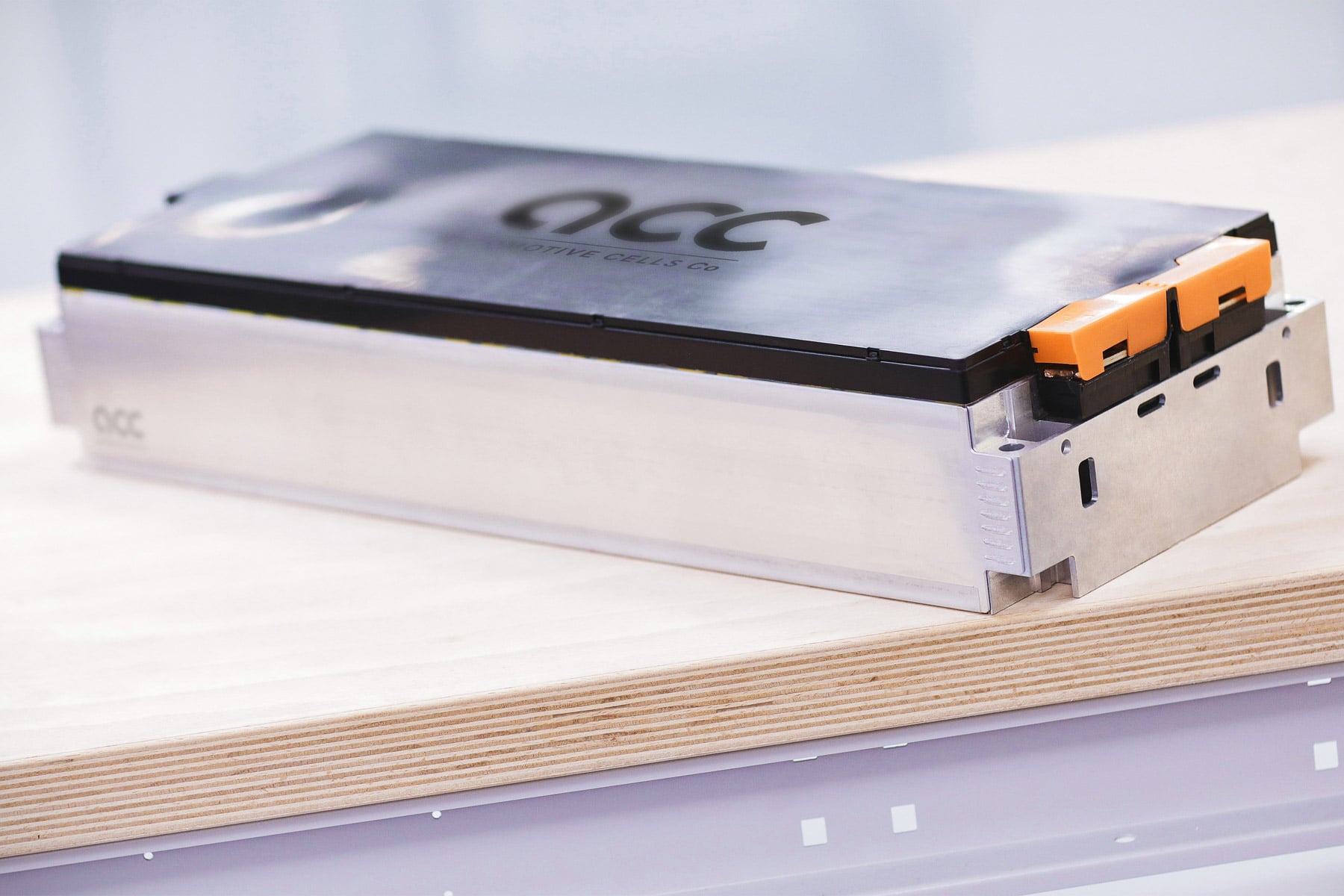
The Financial Times (FT) reports that the EU Commission is drafting legislation to link state purchase incentives for new battery-electric, hybrid, and fuel cell vehicles to assembly within the EU. Under the proposal, vehicles benefiting from such subsidies—or those procured or leased by public authorities—must be assembled in the EU. Additionally, the Commission plans to mandate that at least 70 per cent of their components (excluding the battery) must be manufactured in the EU, measured by value. FT also states that the Commission intends to require several key components of the vehicle battery to originate from the European Union.However, the 70% threshold for components is still indicated in square brackets in the draft legislation, meaning this figure remains under discussion and could be amended. The so-called Industrial Accelerator Act, which will incorporate this regulation, is scheduled for publication by the Commission on 25 February. The Act will also apply to other sectors, including the construction and heavy industries.The proposed legislation aims to protect EU industries by requiring CO₂ emissions to be considered in public procurement processes. The rationale behind this is clear: the EU’s manufacturing sector is facing significant pressure from cheaper Chinese competition, high energy prices, and the costs of complying with the Union’s stringent climate initiatives. The ‘Buy European’ initiative has thus emerged from intensive lobbying efforts.This lobbying has not been limited to behind-the-scenes efforts. Europe’s largest carmakers, Volkswagen and Stellantis, have publicly campaigned for such an initiative. Earlier this month, VW CEO Oliver Blume and Stellantis manager Antonio Filosa sent a joint open letter calling for domestic production to be prioritised in EU climate regulations. They also proposed financial incentives, stating: “Every battery-electric vehicle ‘Made in Europe’ should receive a CO₂ bonus.”The new ‘Buy European’ policy is part of the EU Commission’s broader strategy to reduce Europe’s dependence on China and the USA across several sectors. Laws such as the Critical Raw Materials Act (CRMA) have already been introduced by the Commission, but these are intended to be just the beginning.However, not all local carmakers support such subsidy policies. BMW, for example, has warned that these regulations could create unnecessary costs and bureaucracy. Other manufacturers, according to the Financial Times, are calling for a more flexible ‘Made in Europe’ rule that extends beyond the EU to include production hubs such as Turkey and the UK, as well as key trading partners like Japan.ft.com