Hubject enters partnership with US company PowerFlex
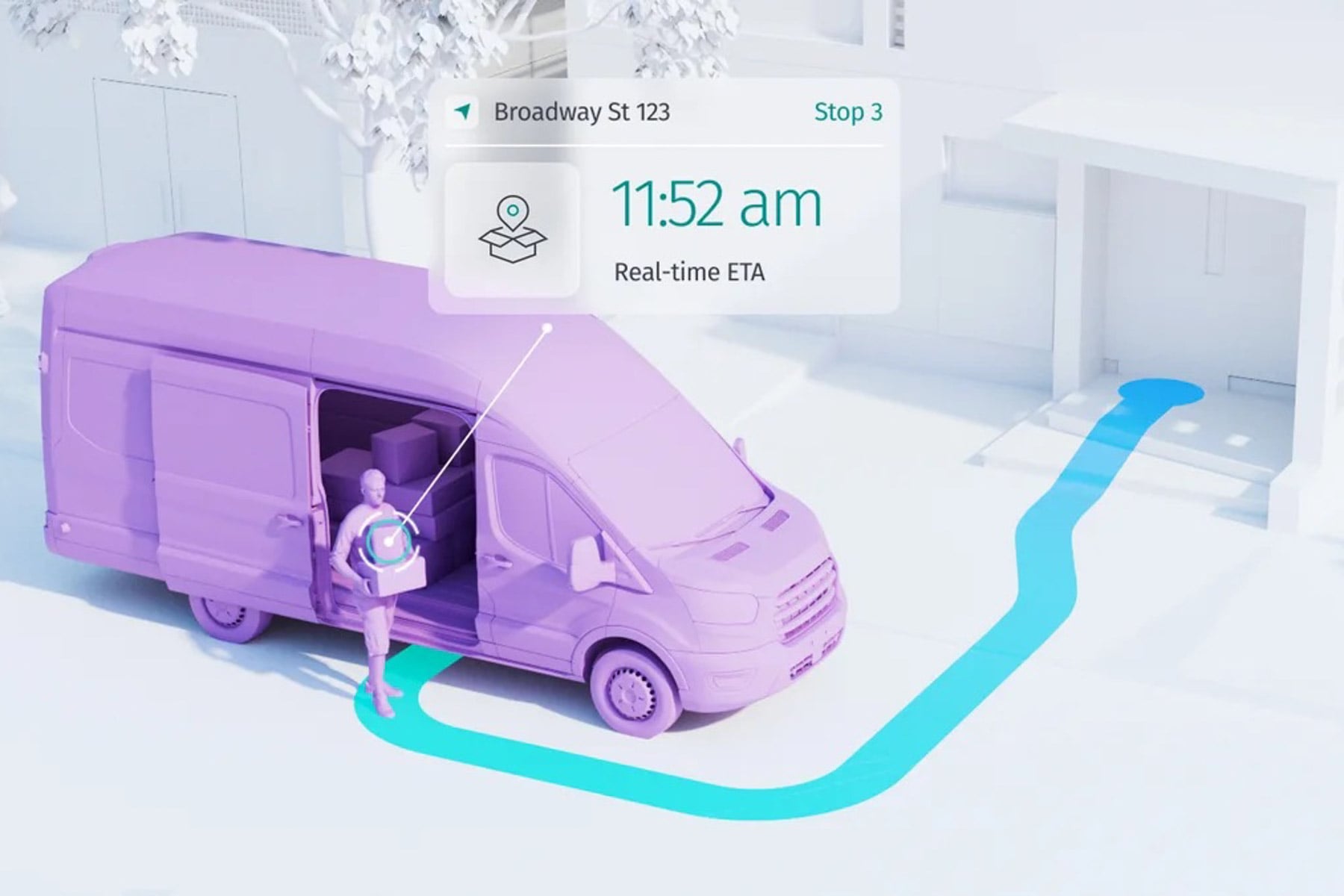
First, regarding the partnership with PowerFlex: Hubject reports that the charge point operator has become the largest provider of Plug&Charge-enabled charging points in the Plug&Charge network, offering 5,000 such points. If PowerFlex delivers on its ambitious growth plans, it could remain the largest provider for some time. Its roadmap includes expanding to a total of 40,000 chargers within the next two years.PowerFlex specialises in depot charging solutions for commercial vehicle fleets. To date, Plug&Charge has mainly been associated with public charging infrastructure, where it automates the start and payment of charging sessions and removes the need for drivers to manage multiple authentication and payment methods. Hubject now highlights the benefits of Plug&Charge for depot-based fleet charging, particularly in terms of vehicle identification and interoperability. The system enables automatic authentication between vehicle and charging point, eliminating the need for RFID cards or smartphone apps to assign a charging session to a specific vehicle or fleet account.“Because each charging session is tied to a unique digital certificate, fleet managers can see exactly which vehicle is charging, which charger it’s using, and which driver or account is associated with that session,” Hubject explains. “This granular visibility supports accurate billing, reimbursement, cost allocation, and maintenance planning in addition to ensuring route readiness.”With its focus on depot charging for commercial fleets, PowerFlex does not face any immediate impact from the initial electric vehicle policies introduced by the Donald Trump administration. However, the wider transport sector is likely to experience longer-term effects if the federal government deprioritises electric mobility or actively shifts policy away from zero-emission vehicles.In the same communication, Hubject reported that it has surpassed one million Plug&Charge-enabled vehicles across North America. The milestone underlines the pace at which ISO 15118-based authentication has moved from pilot deployment to large-scale market adoption, establishing Plug&Charge as an operational standard in everyday charging scenarios.“Surpassing one million Plug&Charge- enabled vehicles in North America proves that the industry is ready for scale, and fleets are rapidly becoming our fastest-growing use case,” said Amit Bhonsle, Head of Product at Hubject. ”By partnering with PowerFlex, we are bringing the security and automation of ISO 15118 directly to commercial depots—eliminating friction for drivers and ensuring the reliability that mission-critical fleets demand.”Plug&Charge is a function defined by the international communication standard ISO 15118, which governs how electric vehicles and chargers securely identify and communicate with each other. In practice, this typically involves initiating and settling charging sessions without the need for an app, RFID card, or credit card reader. When a Plug&Charge-enabled vehicle is connected to a Plug&Charge-compatible charging station, the vehicle and charger perform a secure ‘handshake’ via ISO 15118. “Digital certificates are used to identify the vehicle, charger operator, and driver account. Hubject acts as a central trust authority in the process, issuing and managing these certificates so that every party in the ecosystem can be validated,” the Berlin-based provider explained.hubject.com