Was the Chancellor’s Spring Statement dead on arrival?
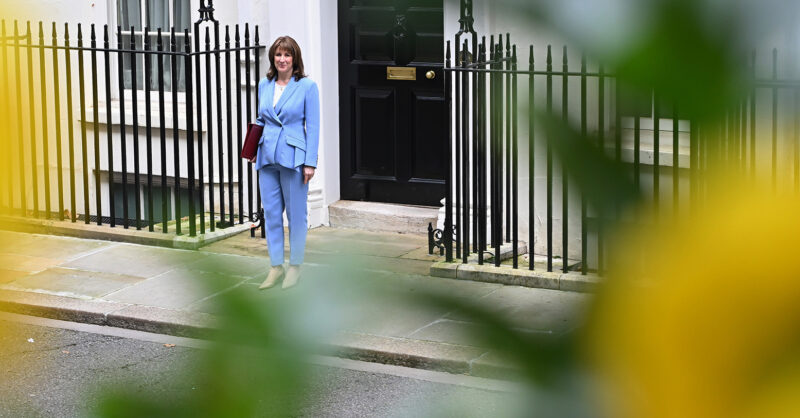
In her Spring Statement on Tuesday (3 March), Rachel Reeves trumpeted a series of mild improvements in the OBR’s economic and fiscal forecast as evidence that Labour had “the right economic plan for our country”.
Compared to the dramas of her first three fiscal events, this statement was remarkably low key, with very little briefing, leaking or hype, because there was no new policy in it. Reeves has acceded to the Treasury’s fixation on only having one major fiscal event per year. Perhaps we were all the better for not having wasted our time.
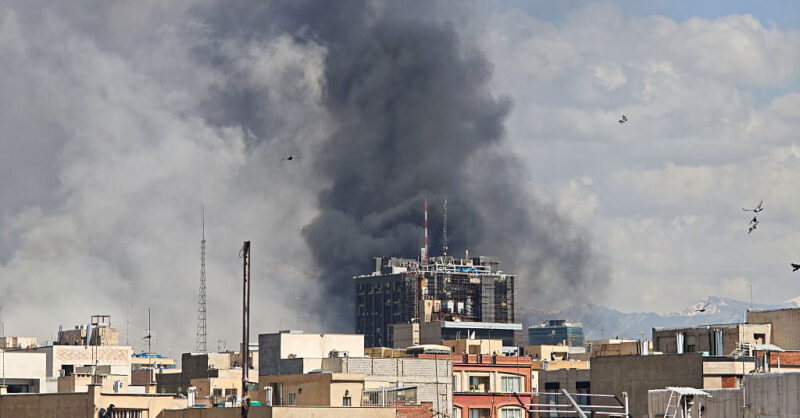
Even if you believe this war will soon end – which seems unlikely since Trump has signalled it will go on for at least another month in its current form – it is already having a measurable effect. Global wholesale gas prices have increased as a result of Iran’s actual and threatened actions and we are only on day four. Similarly the numbers on British petrol pumps will go up a bit this week as a result of an oil price spike (my colleague Will Dunn has a longer piece on this which I encourage you to read).
The Chancellor did admit at the start of her statement that we are in “a world that in the last few days has become yet more uncertain” and pointed out the “risk that rising energy prices will put upward pressure on inflation”.
Subscribe to the New Statesman today for only £1 a week.
But because of the nature of the OBR’s forecasting process, that was not reflected in what Reeves said in the rest of her statement. The forecast closed before the joint American-Israeli assault and the Iranian retaliation began on Saturday and so it did not take account of the possible macroeconomic knock-on effects (unlike, for example, the November forecast in which the negative impact of Trump’s tariffs was projected).
The OBR addressed this with the following large caveat: “The central forecast lies in the middle of a wide range of possible outcomes. There are significant risks around it, with plausible outcomes both substantially above and below the central projection. Conflict in the Middle East, which escalated as we were finalising this document, could have very significant impacts on the global and UK economies.”
The immediate response would be to say that the Chancellor enjoyed a bit of luck with her timing. If this does all blow over quickly, and Iran’s ability to disrupt the flow of oil and natural gas is quickly degraded, that may be proven right.
Alternatively, if the situation develops chaotically, the Chancellor could be forced into drastic emergency measures which would then likely be followed by an unscheduled fiscal event and a tricky forecast, much as Rishi Sunak found at the start of the Covid-19 pandemic. In that case we might look back on this Spring Statement as an example of OBR and Treasury myopia.
Toward the end of her statement on Wednesday, Reeves said that the positive figures she had unveiled “can be wiped out by a change of course”. She was referring to the spectre of austerity or borrowing for unfunded tax cuts under a new Conservatives and/or Reform government. The thrust of what she said was right. But there may be a wipe out on the way before a single vote is cast.
[Further reading: We’re all trying to find the guy who introduced these student loans!]
Content from our partners
Related