Rachel Reeves is pretending everything is absolutely fine
There are two genuinely amusing types of road sign in the UK. The first, for obvious reasons, are the signs that direct motorists towards the Orkney village of Twatt. The second are those that read “Sign Not in Use”. These signs are set up at tedious points on the road network to provide bored drivers with an amusing conundrum: look, darling, the sign is in use! It’s conveying information with words!
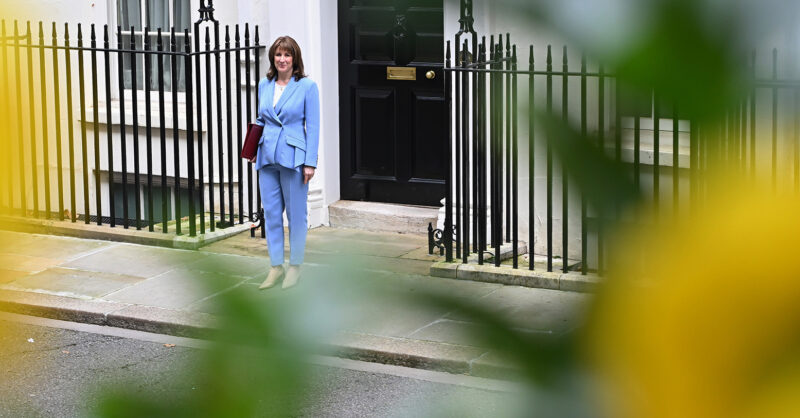
The same might have been said of this year’s Spring Statement and the fiscal forecast that accompanied it. The speech Rachel Reeves gave to the Commons on the afternoon of 3 March, and the Office for Budget Responsibility’s (OBR) economic and fiscal outlook, were signs that were not really in use – because, despite the many weeks of careful preparation that went into them, by the time they were released, they meant something completely different. The forecast window for the OBR’s report closed a week before the speech, at a point when the economy was looking, if not healthy, then perhaps not coughing in as worrying a manner as it previously had. Three days later, Donald Trump began bombing Iran, kicking off a war that has already forced oil and gas prices upwards, and could result in a fresh crisis of inflation, cost of living and government finances. By the time Reeves stood to announce the results of the forecasts, they were obviously inaccurate, an optimistic picture of green shoots that had, despite an abundance of manure, already been trampled.
Still, at least the report was published at the right time. When Reeves rose to give her Budget speech last autumn, everyone on the benches opposite was already reading the policies it contained, on their phones, because people had found it online by guessing the web address. The very first thing they teach you in the How to Publish Market-Moving Government Plans course at civil servant school is not to hit publish until you hear the Chancellor say “and I commend it to the House”. But somehow it happened, and, like many things in life, it was embarrassing but basically fine. The wrath of the bond market was not incurred. That evening the UK drinks industry recorded a significant uptick in revenue, courtesy of the OBR’s web team.
So, anyone trying to access an early version of the OBR’s report this week – perhaps trying some variation of “Report_FINAL_doNOTpublishthisBrian.html” – was directed to the Treasury. To a normal person this is an extremely dull thing to point out, but it may have a quiet significance. The whole reason the OBR has a separate website to the Treasury (and is located in a separate building) is that it is supposed to be an independent auditor of fiscal policy. That impression is perhaps diminished if you let Reeves publish her own exam results – or it would be, if they weren’t so irrelevant.
Subscribe to the New Statesman today for only £1 a week.
Parties at opposite ends of the political spectrum argue the OBR shouldn’t exist. On the left it’s seen as a backseat driver, a Department for Austerity – one of George Osborne’s vestigial talons, still clutching at the public purse. On the right it’s seen as the Deep State, a sinister group of young people in lanyards with fancy degrees who make the numbers dance and the taxes rise. This is all bullshit and misdirection. The Treasury is the austerity department. Liz Truss needed no help from the OBR to defenestrate herself. The OBR is a diligent forecaster, but to politicians it’s even more useful as a blame-sponge – not a backseat driver, but a passenger who has been handed a crumpled map and is now being asked: “Well, is this where you wanted to go?”
To be fair to Reeves, there is evidence that her reverence for fiscal rules has begun gradually to pay off. Her government achieved the biggest budget surplus on record in January, at £30.4bn, and she has improved fiscal headroom to £23.6bn, having been left with a historically narrow fiscal space by Jeremy Hunt. The OBR has slightly downgraded its growth projection for this year (the Tory benches mooed with delighted indignation) but upgraded growth for the following two years (the Labour benches roared with furious joy).
She also made use of the tactic, beloved of Rishi Sunak and Jeremy Hunt, of pretending to have fixed inflation (which is the Bank of England’s job). Not only that, but she accused the Conservatives of having “let inflation skyrocket to 11 per cent” and “stoked interest rates to 15-year highs”. This is how interest rates and inflation work in politics: when they rise it’s someone else’s fault, but when they fall it’s because of something you did. That said, Reeves is at her most likeable when she’s delivering a jibe; when she’s talking about “the deep economic scars left by the party opposite, and their mates in Reform”; when she says, “If you import failed Tory politicians you get failed Tory policies”; when she allows her accent to head back to south London and says of Farage, “Oh, he’s not here today.”
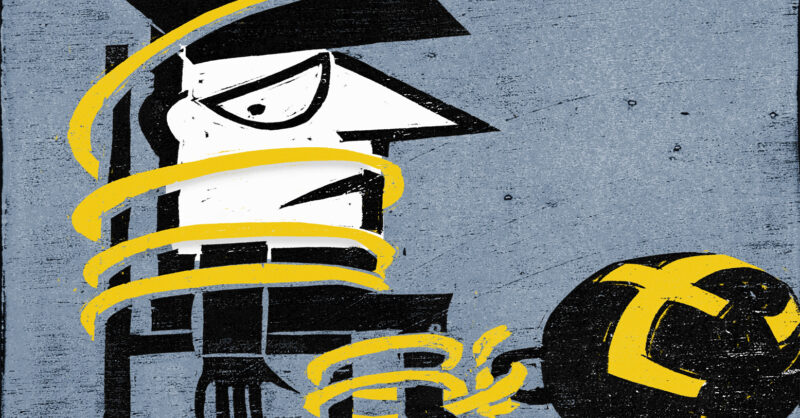
Had the OBR report been completely up to date and completely honest, it would have consisted of a single page illustrated with the “this is fine” dog meme. Reeves would have presented it by rising to the dispatch box, taking a deep sip of brandy – perhaps puffing gently on a cigarillo, to some mournful jazz – and giving the House a frank, palms-open shrug. Because at present, what’s she going to say? The mad, poisonous toad running the US is going to squat on the global energy markets for an unknown amount of time – even the toad doesn’t know! – and that will cost an also unknown but probably rather frightening amount of money, extracted mostly through global energy markets.
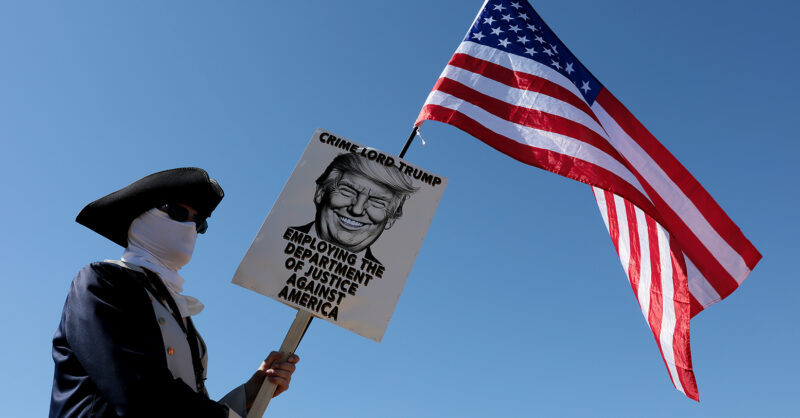
It would be a crazy conspiracy, of course, to argue that Trump’s war on Iran was designed to make energy more expensive. That’s just a side effect! A side effect that happens to benefit some of the richest people in America, and also coincidentally in Russia. No, the war on Iran was obviously launched for security reasons, particularly the nice warm feeling of security that powerful people feel when the news media is diverted away from reporting on how many times they’re mentioned in the Epstein files.
When forces such as these are dictating the path of the UK economy, the attempted jibes of the shadow chancellor, Mel Stride – “Is that it?” – sound rather plaintive. Stride demanded from Reeves an explanation of how she planned to pay for Conservative policy on defence spending: “How will she fund that?” he asked, seemingly unaware that Reeves can simply not implement the opposition’s ideas, because the government doesn’t have to do as it’s told by Mel Stride. Conservative MPs made a half-hearted attempt to chant “U-turn” each time he recounted a change of Labour policy, but it was a muted, mistimed chorus. Perhaps they were worried that Kemi Badenoch would start ranting about paedos again, and they’d inadvertently join in. Robert Jenrick, the Shadow Backstabber General, compared Reeves to a “rogue landlord”, helpfully reminding the House of his own disastrous tenure as housing secretary, his real estate portfolio and his controversial dealings with property developers.
The most revealing line of all, however, was a slip of the tongue. Part way through her speech, Reeves accidentally said “the promise that we changed”, before correcting to “the change that we promised”. It was a simple error (it has been helpfully edited from the speech as published on the Treasury website), but it sums up the position in which Labour finds itself, still promising change, but still changing its promises.
[Further reading: Was the Chancellor’s Spring Statement dead on arrival?]
Content from our partners
Related