Trump has destroyed your chance of prosperity
Any normal person who reads the term “gilt yields” will quite reasonably think: great, another abstract indicator of general economic gloom, to be interpreted in different ways by politically motivated people who probably understand them as little as I do. This is true, but if there is a day to take notice of the gilt market it is today, because the yield on a ten-year gilt has this morning reached a level not reached since the global financial crisis of 2008.
What this means, as briefly as possible, is that the market is pricing in a much worse economic future for Britain. Bonds are chunks of debt, and in the bond markets, investors extract higher returns by offering less for debt – so the yield, or return, moves in the opposite direction to the price. Higher yields mean the market is paying less for the debt, and this amounts to a forecast: that money will be worth less (that inflation will be higher), that borrowing will be more expensive (that interest rates will be higher), and that the government will have to sell lots more debt to the market (it’ll have to borrow more). Individual investors may have different ideas about which of these factors is most important, but the market this morning amounts to a grim prognosis for Britain: that our country is about to experience much higher inflation, that the Bank of England will have to try to control it by making borrowing more expensive, and that the government’s already strained finances will take yet another beating as the state helps people and business deal with the situation.
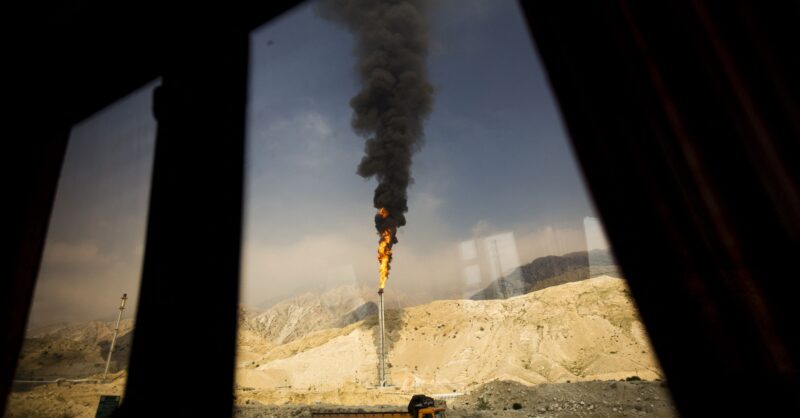
This market reaction may be partly the result of higher government borrowing figures, but the war in Iran is probably the bigger issue. As we saw in 2022, exogenic inflation (higher prices imposed by forces beyond our control, in the wider world) can have appalling consequences for the British economy and British politics. In a single year the government spent £51.1 billion on energy support policies, but inflation still reached double digits, 345,000 business still became insolvent – the highest figure on record – and the government’s fiscal plans almost caused pension funds to collapse. In the global economy today, there are signs that the coming wave of inflation could be similar, if not worse.
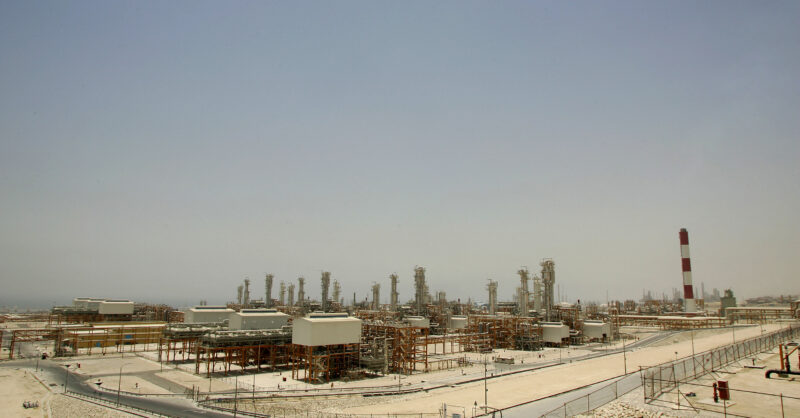
So far, most politicians have been sensibly reserved in their predictions of the effects of Trump and Netanyahu’s war on Iran will have on the British economy. The public have mostly only seen price rises at the petrol pump, caused by the closure of the Strait of Hormuz (through which a fifth of the world’s crude oil and liquefied natural gas are shipped) and attacks on fossil fuel infrastructure in the region. But the price of energy soon becomes the price of everything, and this is already beginning to happen. The Strait of Hormuz is also the channel for 35 per cent of the world’s urea, the most common kind of nitrogen fertiliser. Half the world’s food production relies on nitrogen fertiliser.
Subscribe to the New Statesman today and save 75%
On Wednesday, the CEO of Dow, America’s largest chemicals company, said that around half of its supply of polyethylene is “offline, constrained or impacted” by the war in the Middle East. Polyethylene is the world’s most common plastic – the bottle, carton and wrapper of the world’s goods, many of which (clothes, toys, appliances) are also made from it. The Drewry World Container Index of shipping costs has risen by 14 per cent in a few weeks. Airlines are already planning for fuel shortages. The UK’s energy price cap is likely to rise by 19 per cent this summer.
All this is taking place while oil prices remain relatively low. The totemic price of $100 barrel might sound as if it means what it has meant in previous decades, a peak that is unlikely to be sustained for long. But when oil reached $100 a barrel in 2008, it was actually $208 a barrel in today’s prices. Analysts today believe a long-term closure of the Strait of Hormuz could put similar levels within reach. Prices can be kept down by releasing reserves, but the effect will be temporary, and this will also keep prices higher in the long run, because reserves need to refilled. The same is true of gas; Europe must spend the summer buying gas to fill its reserves for next winter. The vast infrastructure of fossil-fuel energy that underpins the global economy is not something that can simply turned on and off.
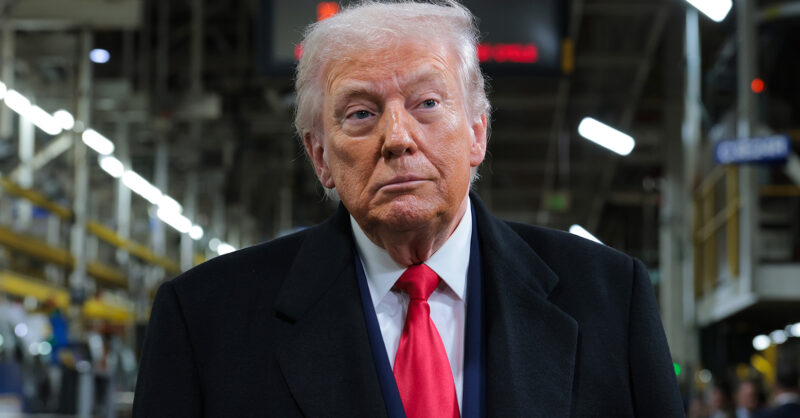
Did Trump and his lunatic daytime-TV-host-turned-henchman, Pete Hegseth, think it was? Perhaps, or perhaps they didn’t care. They may have learned from Russia’s invasion of Ukraine that energy-driven inflation favours the rich. They may also simply have wandered into someone else’s war, guns blazing, for no better reason than they felt like doing so. From an economic point of view, as a British person, it hardly matters: what is important is that these clowns have detonated not only the lives of thousands of people in the Middle East, but also our own government’s careful repair of the public finances and the economy. The recession that will almost certainly result from a prolonged conflict will have been imposed on us by the country with which many of our politicians still whimper that we have a “special relationship”.
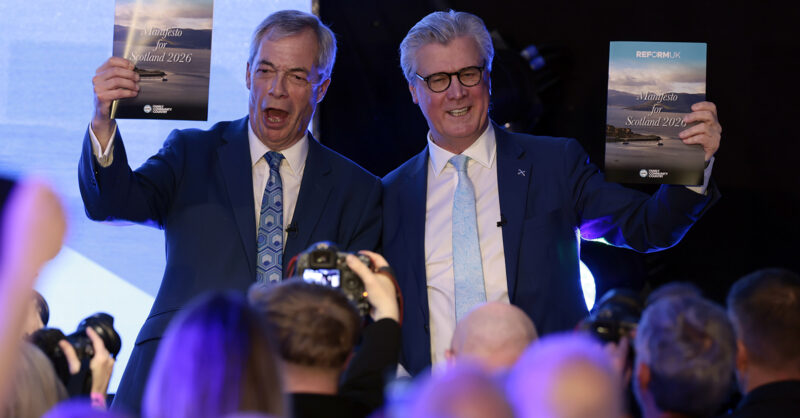
It will be blamed, however, on Rachel Reeves, by Conservative and Reform politicians who toady to Trump but who will claim an economic downturn as proof of the Chancellor’s failings. This will be unfair – whatever you think of Reeves, she has been a paragon of careful spending – but another £50bn shock to the public finances will be a torpedo to the government’s other plans and may well open the door to a less diligent, more self-interested party. If the British public voted for anything in 2024, it wasn’t Starmerism or securonomics but an end to political instability, and hopefully a bit of economic growth. The governments of America and Israel have decided that these are things we cannot have.
[Further reading: How ready is Britain for fuel shortages?]
Content from our partners
Related