Is your boss a psychopath? Scientists reveal how to spot a 'dark leader' - and how to stop them from ruining your life
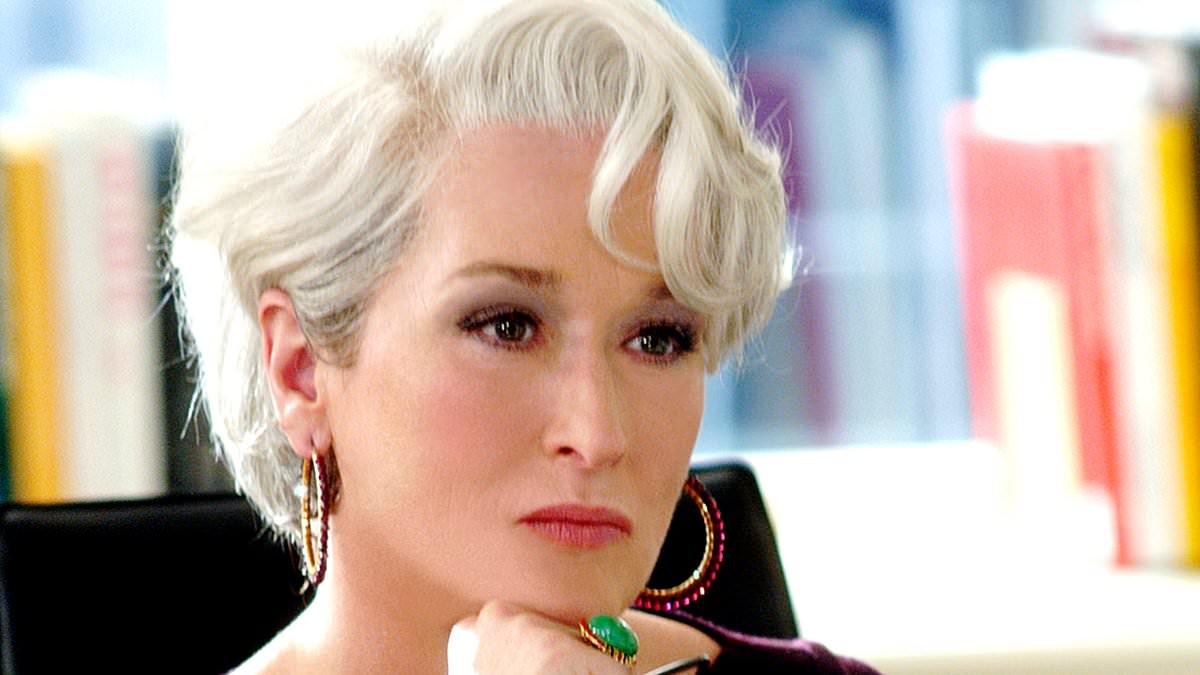
You might already think your boss is a lunatic – but a scientist has now revealed how to truly tell if they're a psychopath. Professor Elena Fernández–del–Río, from the University of Zaragoza in Spain, said there are simple ways to spot if your employer is a psychopath, narcissist, sadist or Machiavellian supervisor.In an overview of dark personality traits, published in the International Encyclopedia of Business Management, she outlined the different characteristics of each.'The "dark side" of human personality, as a whole, refers to a disposition to ethically, morally and socially questionable behaviours,' she wrote.'Each of these dark traits is characterized by singular features such as grandiosity in narcissism, alliance–building and manipulation in Machiavellianism, self–control deficit in psychopathy, and enjoyment of cruelty in sadism.'She said each trait can have a different effect on employees and warned in some cases there are links between dark personalities and 'abusive practice' by supervisors.Here, she outlines how your job can be affected by having a 'dark leader' – and how to spot them. Miranda Priestly in The Devil Wears Prada, played by Meryl Streep, exhibits strong narcissistic and psychopathic traits'Leaders with dark personality traits appear in their social interactions as insensitive, manipulative, excessively demanding, authoritarian, too self–sufficient, distant, critical, arrogant or with an exaggerated desire to please,' she said.This can end up causing 'significant interpersonal conflicts in the long term'.As part of her paper, Professor Fernández–del–Río identified the key features of each personality trait.Psychopathy is defined by a lack of self–control, emotion coldness, an erratic lifestyle, lack of guilt and remorse and antisocial behaviour, she said.Narcissists, meanwhile, tend to display excessive self–love, grandiosity and arrogance, an inflated sense of importance, require constant admiration and are motivated by ego.Those who score high for Machiavellianism are likely competitive, have a cynical worldview, are strategic manipulators, are callous and are focused on building and maintaining a positive reputation.Finally, sadists enjoy cruelty, like to find pleasure in the humiliation of others, like to bring people under their control and display aggressive, intimidating or demeaning behaviours.Bosses with these characteristics can have an impact on the attitudes and behaviours of more junior members of staff, Professor Fernández–del–Río explained. Mr Burns (pictured) is Homer Simpson's rich, greedy, and devious boss in The Simpsons, who displays various 'dark leader' traits Key signs your boss is a psychopath Deficit of self–controlEmotional coldnessErratic lifestyle (impulsivity, unconscientiousness, sensation seeking)Lack of guilt and remorseAntisocial lifestyle (destruction, criminal behaviour) One previous study found that Machiavellian leaders are linked with greater emotional exhaustion in employees, as well as lower satisfaction with promotion.Bosses who score higher in psychopathy also tend to have employees with lower job satisfaction, poorer team performance and weaker group cohesion.'Some studies have confirmed the relationship between dark personality and abusive practices by supervisors, especially when they possess Machiavellian or psychopathic traits,' she wrote.'In the case of psychopaths and sadists, we should be careful if they occupy a job position of authority over other people.'She explained that these 'dark side' tendencies can be extremely difficult to detect in an interview or questionnaire.'Faking, in order to be viewed favourably, seems to be frequent in applicants presenting dark personality traits,' she said.When it comes to managing dark personalities at work, she said it is 'essential' that organisations send a clear message to all employees that abusive behaviour will not be tolerated.'In addition, potential victims should be encouraged to report any workplace abusive behaviour that guarantee their anonymity from possible reprisal,' she wrote.She pointed out that some features of dark personality profiles could actually be seen as positive attributes in the short term – for example in extremely competitive situations, where the risk is high or where social interactions are limited.'However, in organisations that require the interaction of many people a long–term work, dark personalities can be an obstacle to the achievement of organisational goals,' she said.Some narcissistic people can possess positive traits, like self–confidence, that could 'attract followers' in the short term.However, over time, they would end up 'revealing hostile and antagonistic behaviours that would not longer be seen well by the rest of the group'. Other key features of dark personalities Narcissism:Excessive self–loveGrandiosity and arroganceInflated sense of importanceSense of entitlement and requiring constant, excessive admirationMotivated by goals that feed their ego (even if they do not have a high benefit)Vulnerability (negative emotionality, low self–esteem)Machiavellianism:CompetitivenessCynical worldview and pragmatic moralityStrategic manipulation (persuasion, self–disclosure, ingratiation)CallousnessAdvance planningCoalition formationBuilding and maintaining a positive reputationOriented to evident beneficial goalsSadism:Tendency toward subjugationEnjoyment of crueltySearch for one׳s own pleasure through the humiliation of othersCallousnessAggressive, intimidating, humiliating, or demeaning behaviours