Robert Duvall was a class act
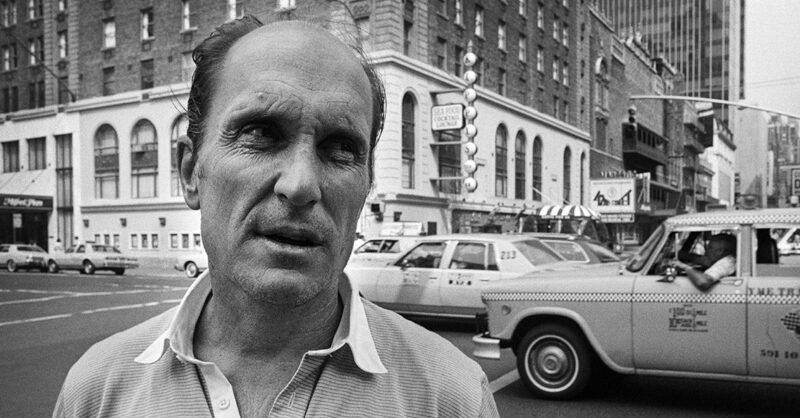
The first time I saw Robert Duvall, it was in Apocalypse Now. There he was, Lieutenant Colonel Bill Kilgore, bronzed and unblinking beneath a cavalry hat, speaking about napalm with a kind of serene conviction. Francis Ford Coppola frames him almost operatically, Wagner swelling, helicopters cutting the sky. Yet Duvall plays him without a wink. He is calm. Methodical. Even courteous. Kilgore is not ranting; he is reasoning. That composure is what makes him terrifying. You believe he believes.
In a film crowded with bravura performances, Duvall does not compete for attention. He anchors the spectacle. His Kilgore provides the film with one of its clearest portraits of institutional madness: disciplined, articulate, entirely at ease with destruction. The helicopters and Wagner may dazzle, but it is the calm that endures.
That composure had its origins long before Kilgore. Born in 1931 in San Diego to a career naval officer, Duvall grew up in a disciplined, peripatetic household before studying drama at Principia College and later serving in the US Army during the Korean War. He moved to New York in the 1950s and trained at the Neighborhood Playhouse under Sanford Meisner, part of a generation that treated acting as labour rather than display. Among his contemporaries were Dustin Hoffman and Gene Hackman. They were not conventional matinee idols. They built careers on seriousness.
His early years were spent on stage, learning the discipline of theatre before becoming a familiar presence on American television. For years he worked steadily in supporting roles, honing a style that relied on listening as much as speaking. When he made his film debut as Boo Radley in To Kill a Mockingbird, he was barely seen. The role is almost spectral. Yet even in near absence he left a mark. The stillness was already there.
Subscribe to the New Statesman today for only £1 a week.
By the late 1960s and 1970s, as American cinema grew darker and more self-critical, Duvall was perfectly placed. The old studio hero had given way to men compromised by ambition, ideology or weakness. Authority figures were no longer reassuring. Institutions were suspect. Duvall understood how to inhabit that ambiguity without signalling it. In The Godfather, he gave us Tom Hagen, the adopted son and consigliere who understood power without ever quite belonging to it. Still. Measured. A lawyer among criminals navigating blood loyalty and calculation. No raised voice. No grand gesture. Just intelligence and watchfulness, a moral steadiness inside moral compromise.
It is Tom Hagen I return to when I think of Duvall. There was something immaculate in the way he carried that role. He suggested decency without innocence, class without sentimentality. A man operating in darkness who never lost his composure. The performance was faultless and, more than that, elegant.
Over the decades, Duvall avoided flamboyance. He preferred interiority. In Tender Mercies, which won him the Academy Award for Best Actor, he played a washed-up country singer with extraordinary delicacy. In The Apostle, which he also wrote and directed, he explored faith and self-delusion with the same rigour he brought to everything else. As he aged, he didn’t fight the passing of time on screen. He seemed to allow it in. The voice roughened. The body slowed. The authority deepened. His later performances carried the weight of lived experience without sentimentality.
Across half a century of American cinema, Robert Duvall became a measure of gravity. He returned, again and again, to the essentials of performance: timing, restraint, truth. That consistency made him, quite simply, a class act.
[Further reading: The bone temple and the return of the fable]
Content from our partners
Related