Starmer’s war with Big Tech
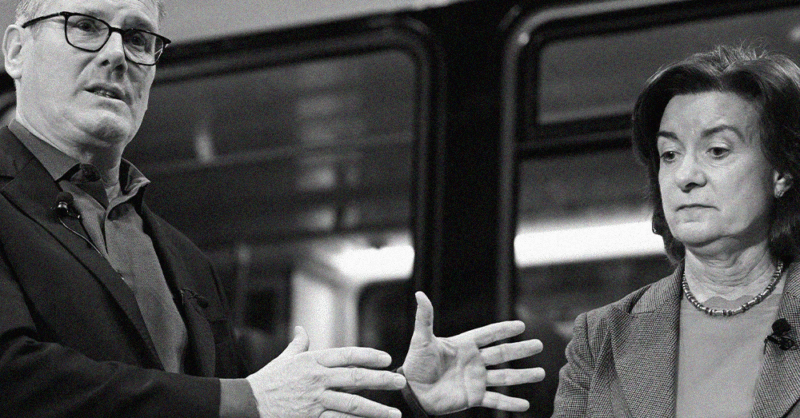
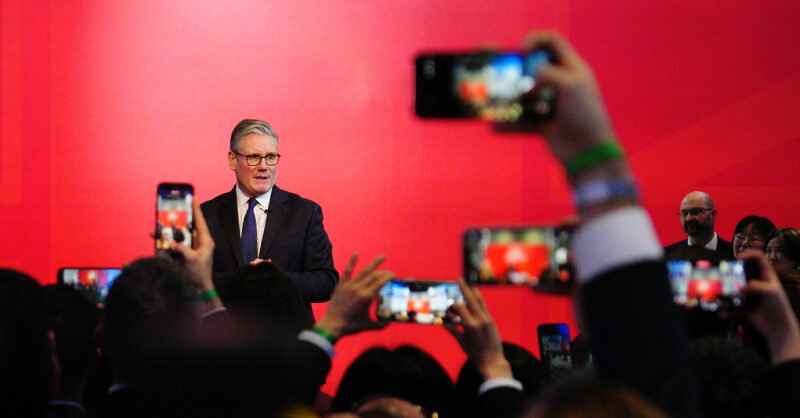
Keir Starmer’s government is good at burying its wins. Perhaps the best example came last month when Labour confronted Elon Musk over Grok’s sexual deepfakes on X. Critics warned that by tussling with the world’s richest man and a Donald Trump confidant, Starmer had picked a fight he couldn’t possibly win. But it was Musk who blinked first. The Prime Minister derived little credit from this victory (which was drowned out by calls from allies to sack Wes Streeting). But it was a reminder of the power that sovereign states can wield over Big Tech – if they choose to do so.
When I recently saw Jonathan Haidt, whose 2024 book The Anxious Generation has defined this debate, he spoke of a “global moment of change”. Confronted by evidence of a mental health crisis, Australia had announced its intention to ban social media for under-16s and, Haidt predicted, other countries would inevitably follow. So they have. “Today, our children are exposed to a space they were never meant to navigate alone: a space of addiction, abuse, pornography, manipulation, violence,” declared Spain’s Socialist party prime minister, Pedro Sánchez, this month as he announced an Australia-style ban. “We will no longer accept that.”
Starmer is edging towards the same position. In January, he alarmed Labour MPs when he rejected a ban on the grounds that his teenage children had benefited from social media. But today he vowed that the UK would be “a leader, not a follower” on online safety, adding: “If that means a fight with the big social media companies, then bring it on.” New powers will allow ministers to act without the need for primary legislation, paving the way for measures such as a minimum age limit, phone curfews or restrictions on infinite scrolling.
Subscribe to the New Statesman today for only £1 a week.
For Starmer, often accused of being incapable of uniting either party or country, here is a moment of political opportunity. Last month 61 Labour MPs, spanning Tribune, Blue Labour and the Socialist Campaign Group, signed a letter urging him to protect young people from “unregulated, addictive social media platforms”.
The British public, which rarely sees a ban it doesn’t like, overwhelmingly agrees: 75 per cent support increasing the age at which people can access social media. Indeed, it is Reform voters who are most in favour (81 per cent), gifting Labour an opportunity to create a wedge between Nigel Farage and his own base.
Should Starmer act, libertarians will howl about Big Brother and the road to serfdom. But a social democratic administration should welcome such ideological combat. Markets need rules and, on this issue, the active state has been inert. Starmer should rouse it from its slumber – and ensure he gets credit.
This piece first appeared in the Morning Call newsletter; receive it every morning by subscribing on Substack here
[Further reading: The complex politics of student loans and the Labour Party]
Content from our partners
Related