Why Marilyn Monroe's Last Completed Movie Is Still Relevant Today
Few movie genres are bigger relics of the past than the Western, which, even in its most modern interpretations, is still predominantly set in the Wild West during the expansion of the Frontier. While the generic conventions don't necessarily freeze it in time as a period genre, most approaches to storytelling in the Western genre remain set in that period. As a result of being mostly set in a different era and largely influenced even today by epics from the Golden Age of Hollywood, the Western genre is often known for having questionable social standards. In fact, many classic Western movies everyone should watch wouldn't have been made today due to their dated representation of the various communities involved. However, some Western movies have aged very well despite being over half a century old, because they challenged the norms associated with the genre. Such bold films were surprisingly often helmed by the best Western movie actors, who tried to transform the genre and the style of storytelling it popularized. All the modern revisionist Westerns were born because of them.
The Misfits Is A Subversive Western Movie
Marilyn Monroe in The Misfits
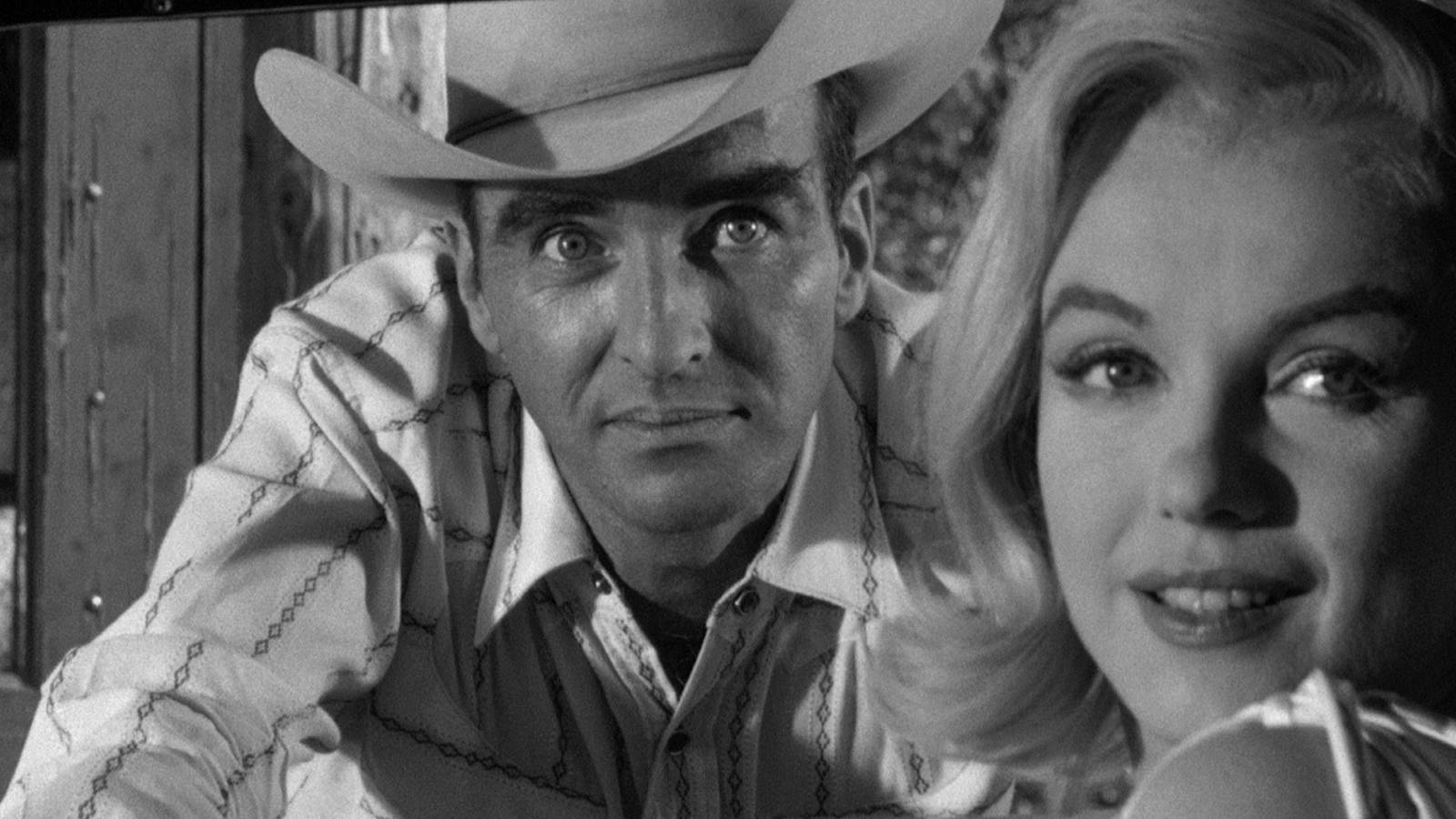
The Misfits, famous for being both Clark Gable and Marilyn Monroe's last completed movies, is one of the best Westerns of all time. John Huston, known for making Westerns that are perfect from start to finish, directed the movie, based on a short story of the same name by Arthur Miller, who adapted the story for the film. It follows Monroe as Roslyn Taber, a recently divorced woman who accepts the invitation of two cowboys, Gay (Gable) and Guido (Eli Wallach), to accompany them on their adventures away from the city. The duo plan to hunt wild horses in the hills, and a rodeo rider, Pierce, played by Montgomery Clift, joins them. The Misfits isn't a gory movie packed with shootouts and gristly men in morally bankrupt lands of opportunity. The men in the movie are soft-spoken, aren't trigger-happy, and even change their ways by the end. The Misfits actively questions the basis of the most famous tropes of Western cinema through these characters whose fates reflect negatively on them.
The Misfits Was Ahead Of Its Time
Eli Wallach and Clark Gable sitting at a table in The Misfits
The racist representation of Native Americans had been a constant issue with the Western genre, and this was later reflected in the movies themselves, even in the '50s and '60s. So, it wasn't entirely unique of a Western to interrogate the harmful stereotypes that the genre propagated in its earliest days. However, a Western challenging toxic masculinity was much rarer, and The Misfits may be the most famous to do so until the neo-Western was formally born. It is a Western movie perfect for a remake, so some of the problematic aspects of its filmmaking, like egregious sexualization, can be removed, while retaining its revolutionary approach to the Western genre.
The Misfits' Exploration Of Violence Is Relevant Today
Marilyn Monroe and Montgomery Clift looking downcast in The Misfits
Violence, gore, and cynicism are synonymous with the Western genre, which is known for both celebrating the grit of men and being pessimistic about their innate greed. So, it is difficult to imagine a Western with next-to-no violence between humans. There's an extensive scene of men hunting horses that evokes more sympathy than bloody shootouts in other Westerns. In today's age when movies are often loved for the wrong reasons, from Fight Club and American Psycho to Taxi Driver, a movie that explicitly rejects violence is extremely relevant. The Misfits' protagonists don't just have internalized moments, but express their changing attitudes towards even violence against animals out loud. This revolutionary rejection of the glorification of cinematic violence is timeless.
The Misfits Is Also An Early "Good For Her" Movie
Marilyn Monroe looking concerned in close-up in The Misfits
The "Good For Her" Cinematic Universe is a canon of film that celebrates female characters whose activities unsettle the patriarchy. Elements of moral ambiguity are common in these films, but movies can fit the criteria even if that's not the case. Despite being a relatively modern concept, many old films can be considered to be a part of the canon. A 1960s Western is the last kind of film you'd expect to uphold "Good For Her" principles. Yet, buoyed by what is arguably Marilyn Monroe's best performance ever, the movie unfolds through the eyes of Roslyn and uses a feminist lens to interrogate the idea of masculinity that Westerns popularized. Her arc's satisfying conclusion accompanies the denunciation of violence.
The Movie's Troubling Legacy Kept It Underrated
The cast and creatives behind The Misfits assembled for a photo
Unfortunately, 65 years later, The Misfits continues to be a hidden gem that is rarely given its due for being ahead of its time. Almost every discussion of The Misfits focuses on the controversy surrounding its troubled production and not on its artistic merits. It's still primarily famous for being Gable's last movie and the last completed film starring Monroe.
Moreover, the reports of John Huston's unprofessionalism during the movie's shoot clouded its release. The Misfits was appreciated by critics at the time, and film scholars continue to value the quality of both the writing and acting. However, it's not even found a proper cult following despite being so progressive, bold, and relevant even by today's standards.
Release Date
February 1, 1961
Runtime
124 Minutes
Director
John Huston
Writers
Arthur Miller