Futureproofing cancer care through collaboration
As we await the publication of the National Cancer Plan in early 2026, it’s clear that we are in a crucial period of change for cancer care within the National Health Service. England is consistently missing the 85 per cent target for starting treatment following an urgent referral, and behind these statistics lie anxious patients and families facing agonising delays.
However, this crisis offers a chance to change how we work. Now is the time to embed proven innovations into patient pathways.
A critical issue compounding NHS shortages is the emotional and physical toll of the “waiting game”. For patients and their families, the time between diagnosis and treatment is often filled with fear and a feeling of powerlessness. When patients arrive for surgery physically deconditioned or overwhelmed by stress, the risk of complications rises, leading to cancellations and further delays. This is where prehabilitation is vital.
Treat yourself or a friend this Christmas to a New Statesman subscription for just £2
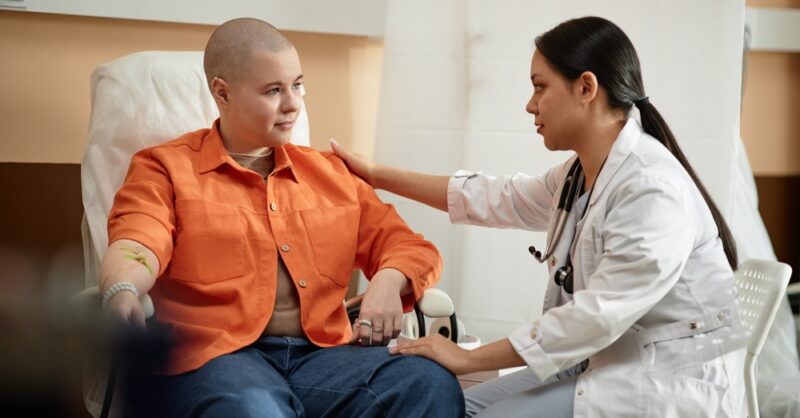
It transforms the passive wait into active preparation. By providing tailored exercise, nutrition and psychological support, prehabilitation empowers patients to take control. It builds a connection with the care team early on, allaying fears while physically preparing the body to withstand treatment and recover faster.
To realise these benefits, we need a coordinated approach backed by central policy. Currently, a disconnect exists. In a collaborative survey by Bristol Myers Squibb (BMS) and Macmillan Cancer Support, 82 per cent of NHS staff respondents identified prehabilitation as an “extremely important” part of the cancer pathway. However, only 11 per cent felt their organisation saw prehabilitation as “extremely important”.
Recognising the potential as well as the barriers to adoption of prehabilitation in NHS cancer treatment pathways, BMS worked in partnership with Macmillan, with input from 11 NHS trusts, to provide an overview of the value of prehabilitation.
The project culminated in the production of a report focused on prehabilitation in non-surgical settings. The findings revealed a compelling case for widespread adoption potentially freeing up an estimated 374,845 hospital bed-days annually across the NHS. Crucially, this could unlock vital NHS capacity and result in a possible 48,057 extra cancer patients being treated in England every year.
The report was recently launched alongside a new tool designed to support workforce planning as a means of accommodating future innovations in cancer care, a second initiative spearheaded by BMS, Macmillan and NHS pilot sites as part of the project. The enthusiasm at this event from leading NHS policy and programme delivery takeholders confirmed a desire for change across the system.
Though Trusts and Cancer Alliances retain responsibility for integrating and expanding prehabilitation services, the National Cancer Plan provides an opportunity to encourage wider rollout. Based on the findings of this collaborative project, BMS and Macmillan are calling on the government and NHS leadership to ensure every eligible cancer patient has access to prehabilitation services.
These services offer a way to support the government in achieving commitments set out in key national strategies. But sustained progress depends on the continued collection of new data, with a particular focus on health economics and the quality of support provided. Developing a robust set of checks encompassing screening, adherence, efficacy and outcomes will underpin quality assurance and consistency across services, delivering lasting benefits for patients and the health system.
With the National Cancer Plan on the horizon and a government motivated to reform the NHS, now is the time to join forces. In the context of missed waiting-time targets, these recommendations offer a clear path forward.
Partners across the cancer sector must work with the NHS to build the evidence base for prehabilitation. By doing so, we can futureproof cancer care, ensuring the system – and the patients relying on it – are ready to meet the challenges of today and tomorrow.
“The evidence we have seen on prehabilitation is compelling. The effort to coordinate and redesign services would be well rewarded by improved outcomes for people with cancer and reduced downstream use of services in recovery. This is not a complex new therapy – it is good quality care delivered well,” said Professor Richard Simcock, chief medical officer, Macmillan Cancer Support
“Prehabilitation is a valuable way of supporting people between diagnosis and treatment, helping them feel more prepared, more confident and better able to cope with what follows. It can turn a difficult waiting period into something active and purposeful, offering patients a sense of agency at a challenging time,” said Joe Robertson, MP for Isle of Wight East.
“As the NHS continues its shift towards delivering more care closer to home, there is real potential to embed elements of prehabilitation within out-of-hospital teams. With the National Cancer Plan approaching, expanding access to good-quality preparation before treatment could make a meaningful difference to patients’ experience,” he added.
Access the “Understanding and advancing the adoption of prehabilitation in NHS cancer care”
Request access to a proof-of-concept demo of the Workforce Planning Tool by emailing: ukpolicy@bms.com
December 2025 | ONC-GB-2500410
Related