
Remember me








 Credit: Pexels
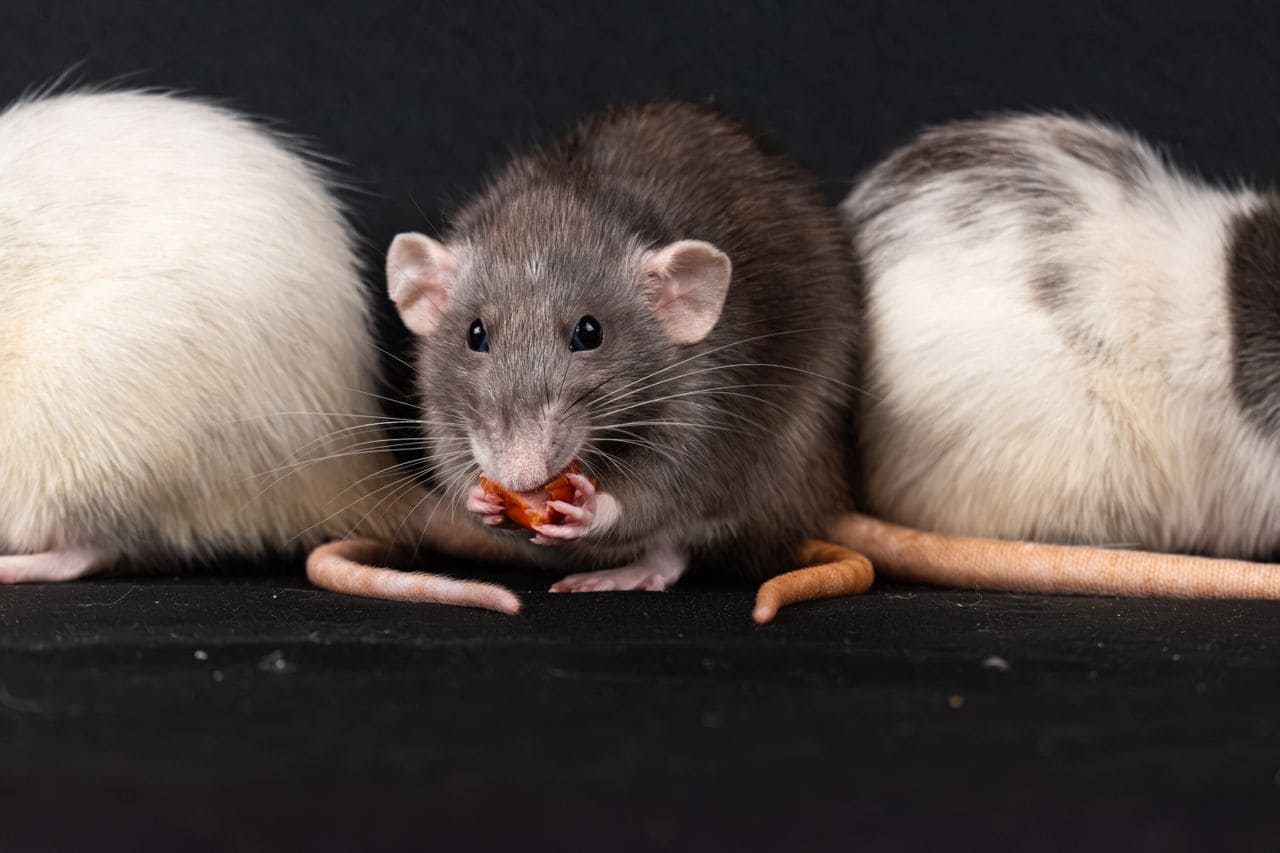
A small group of brain cells may help keep motivation alive when a task gets harder, a new study in rats suggests.
The neurons, already known for regulating sleep, appetite, and energy use, appeared to help the brain keep working toward a reward as the effort required increased. The findings could eventually shed light on motivational problems linked to conditions such as depression, addiction, and ADHD, though any treatment remains a long way off.
The Brain’s Effort SignalThe study focused on orexin neurons, cells that produce a chemical messenger called orexin. Orexin itself is a chemical messenger produced by a relatively small population of neurons in the hypothalamus, a region deep inside the brain.
The system is best known for regulating wakefulness, sleep, appetite and energy balance. Loss of orexin signaling is also closely associated with narcolepsy, but it might do much more. Over the years, however, researchers have increasingly connected orexin to attention, stress responses, reward-seeking and other forms of motivated behavior.
Researchers have long suspected that orexin also plays a role in motivation. But proving that has been difficult, especially in rats. Mice are easier to genetically engineer, but rats often perform better on complex learning tasks, which makes them useful for studying effort and reward.
To get around that obstacle, researchers at Nagoya University in Japan used genetically modified rats that allowed them to monitor and control orexin-producing neurons without affecting nearby cells. The team, led by Hiroyuki Mizoguchi and Kiyofumi Yamada then tested how these neurons affected reward-seeking behavior.
The rats performed a progressive ratio task. At first, an animal needed only a small number of touches to get a food reward. Over time, the number of required touches increased. The point at which the rat stopped trying was called the “breakpoint,” a standard measure of how much work an animal is willing to do for a reward.
 Illustration highlighting the experiment (ZME Science).
The findings were pretty straightforward. When the scientists activated orexin neurons using chemogenetics, the rats kept going longer. Their breakpoints rose.
×
Thank you! One more thing...Please check your inbox and confirm your subscription.
When the researchers selectively damaged orexin neurons, the opposite happened. The animals gave up earlier.
The researchers then used optogenetics, another approach that controls genetically targeted neurons with light. With this method, they suppressed orexin-neuron activity during the reward-prediction phase. The intervention reduced reward-seeking behavior. The rats took longer to complete demanding requirements and reached lower breakpoints.
But the reverse experiment wasn’t as straightforward.
When the team briefly stimulated orexin neurons during reward prediction, the neurons responded, but the rats didn’t increase their effort.
This doesn’t necessarily mean that greater orexin activity can never increase motivation. But it does show that a short burst delivered during one particular phase of the task wasn’t sufficient under the tested conditions. Duration, timing and the natural pattern of activity may all matter.
Simply put, stimulating these neurons might help motivation, but it’s not a magic button that always works.
Ultimately, the study suggests that orexin neurons help the brain sustain effort when a reward becomes harder to obtain. But the study is still on rats, not humans, and even on rats, the results aren’t entirely clear. This research is best seen as a starting point for studying how human brains turn expectations into persistent action—and why that process may falter in some neurological or psychiatric conditions.
The study was published in the journal Proceedings of the National Academy of Sciences.

