
Remember me


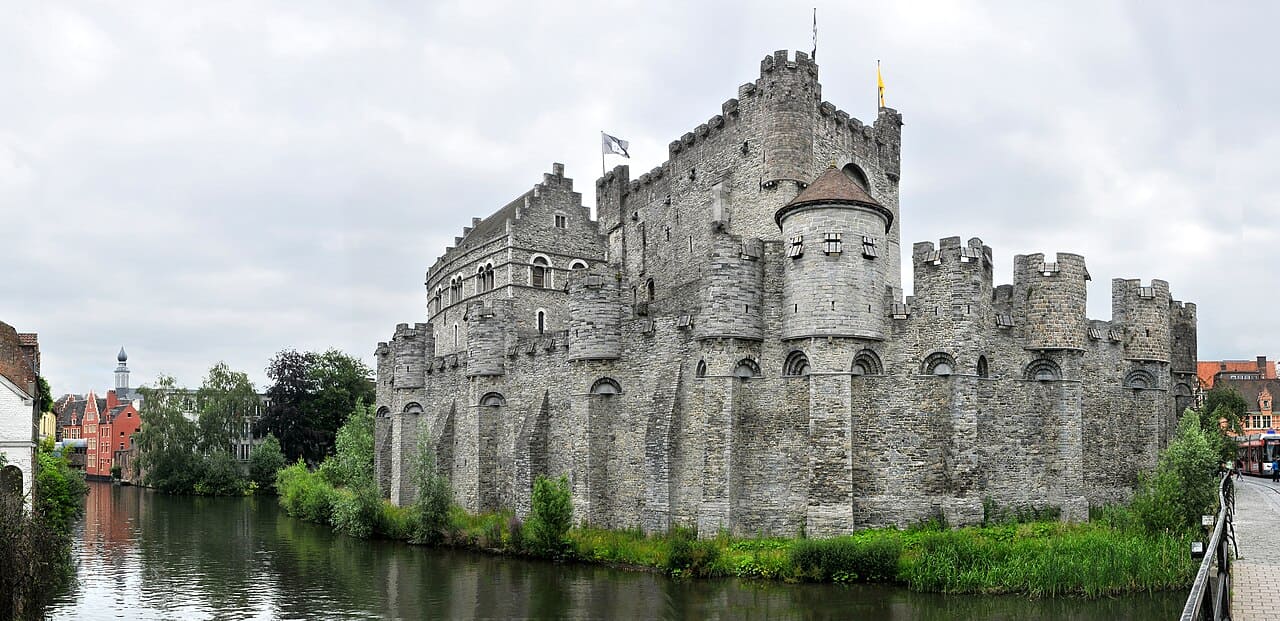


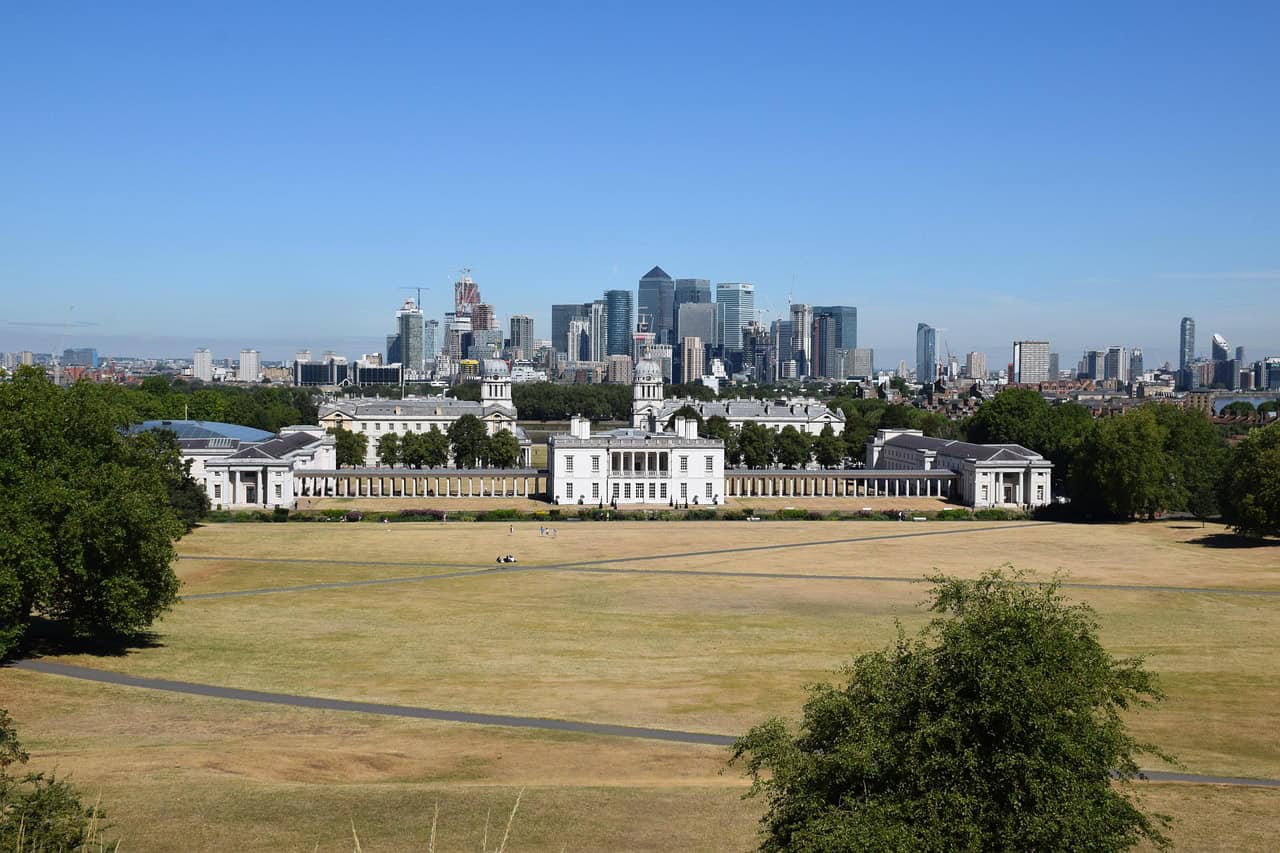

 London skyline with historic music museum and modern skyscrapers on a sunny day.
At Kew Gardens in west London, July ended with a big fat zero.
The weather station recorded no measurable rain during the entire month. It’s Kew’s first completely rainless calendar month in a record stretching back to 1871. A typical July there brings 45.24 millimetres.
Kew wasn’t alone. Several gauges around London also reported July totals of 0.0 millimetres. London, a city known for its rainy spells, has entered a new age: one of drought and heat.
It Stopped RainingGreater London was one of 19 English counties to receive a negligible (less than one millimetre) of rain during July. Southern England averaged just 1.9 millimetres — around 3% of its normal rainfall for the month. It was the region’s driest month of any name since records began in 1836.
England as a whole recorded only 6.5 millimetres, making it the country’s driest July in nearly two centuries of observations. Southern England also had its warmest July on record, while England and Wales experienced their sunniest calendar month ever observed. One millimeter of rain means that if the fallen water stayed evenly on flat ground, it would form a pool one millimeter deep. In volume, this equals one liter of water spread over every single square meter of ground.
 Images edited by ZME Science.
The result was visible almost everywhere. London’s famous green spaces faded to yellow and brown. Soil hardened and cracked, while rivers, reservoirs and groundwater stores all came under increasing pressure.
Persistent high atmospheric pressure was largely responsible for the missing rain. It acted as an atmospheric roadblock, keeping many Atlantic weather systems away from southern Britain. Occasional thunderstorms still developed, but they were isolated and offered little relief to the wider region.
By late July, local water companies had imposed a hosepipe ban across London and its wider supply area. Residents were told not to water gardens, wash cars or clean patios using hoses.
×
Thank you! One more thing...Please check your inbox and confirm your subscription.
 Approximate representation of the Greater London Area and selected gauges. For illustrative purposes only.
The restrictions were not simply a reaction to one dry month. They reflected the cumulative pressure of low rainfall, repeated heat and declining water stores.
Why Drought Can Happen in Rainy BritainBritain is famous for grey skies and drizzle, which can make the idea of a serious drought sound almost absurd.
But Britain’s rain is unevenly distributed. The western uplands receive far more than southeastern England. London sits in one of the country’s driest regions while concentrating millions of people — and it has an enormous appetite for water.
The capital uses more than 2.6 billion litres each day. Most comes from the Thames and Lee rivers, with groundwater providing the rest.
Those supplies depend not only on rain falling directly over London but on prolonged rainfall across a much larger network of catchments. A brief storm over central London may flood streets without doing much to replenish reservoirs or underground water stores.
Drought also damages more than water supplies.
As clay and peat dry, they shrink. The movement can contribute to subsidence, strain buried pipes and distort railway tracks. Rail companies had to perform maintenance interventions on several routes after sustained heat and low rainfall caused the ground beneath parts of the railway to contract and become uneven.
Yup, It’s Global WarmingIt’s hard to impossible to attribute single events to global warming. But this is exactly the type of situation you’d expect to see as global temperatures rise.
The UK is becoming warmer, hot spells are intensifying, and climate projections consistently point toward hotter and generally drier summers. Globally, human-caused warming has also increased atmospheric demand for moisture, making soils and vegetation dry more rapidly during rainless periods.
In other words, climate change loads the dice. It’s making this type of event much, much more likely and more extreme.
Meanwhile, for London, the dry spell seems set to continue, with no end in sight: forecasters said there was “little sign of the widespread, sustained rainfall that would be needed” to end the UK’s drought.
The new climate normal is upon us.

