
Remember me

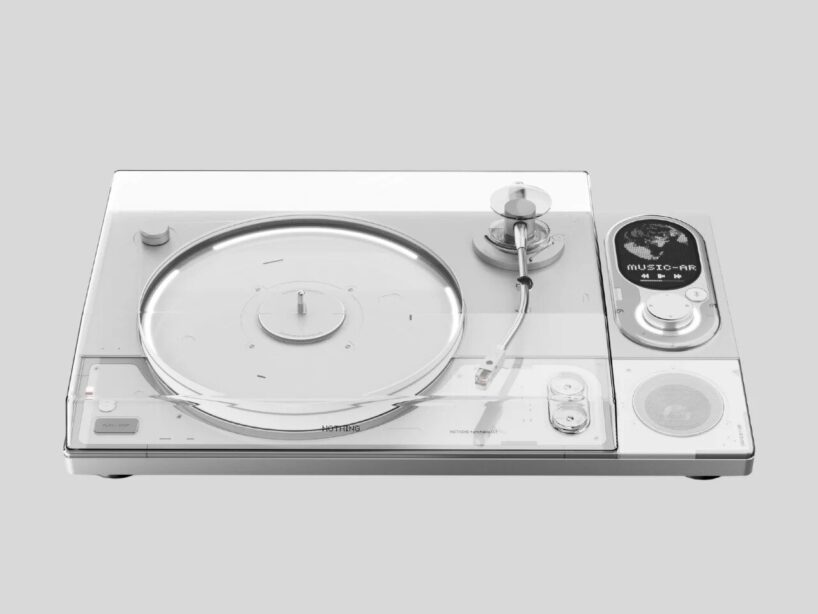
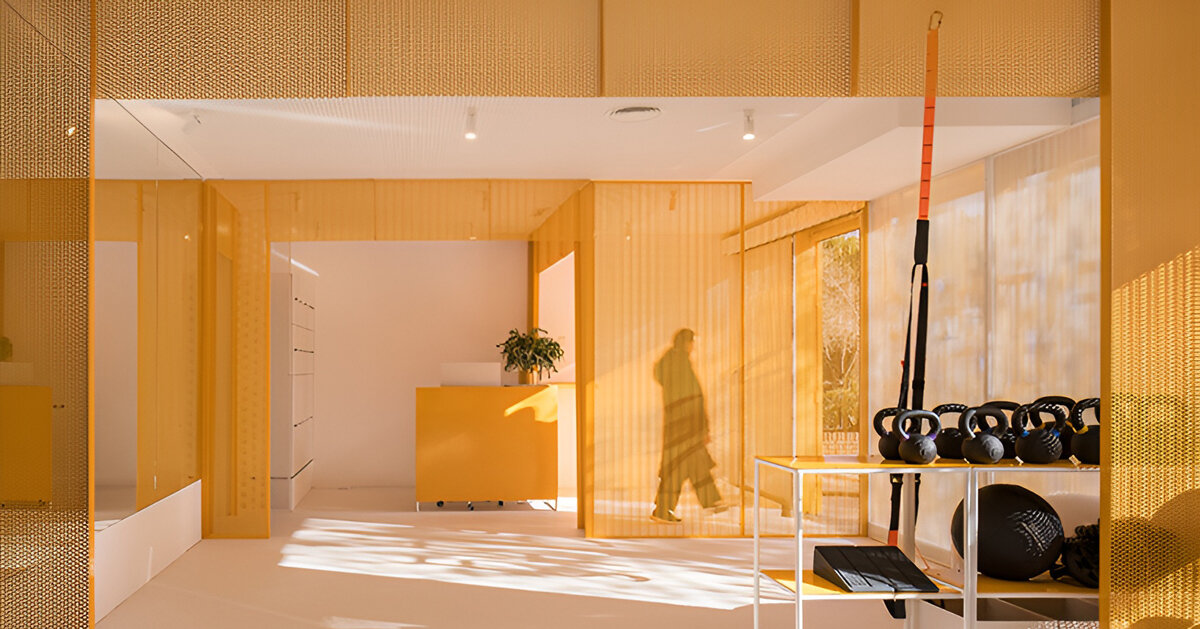
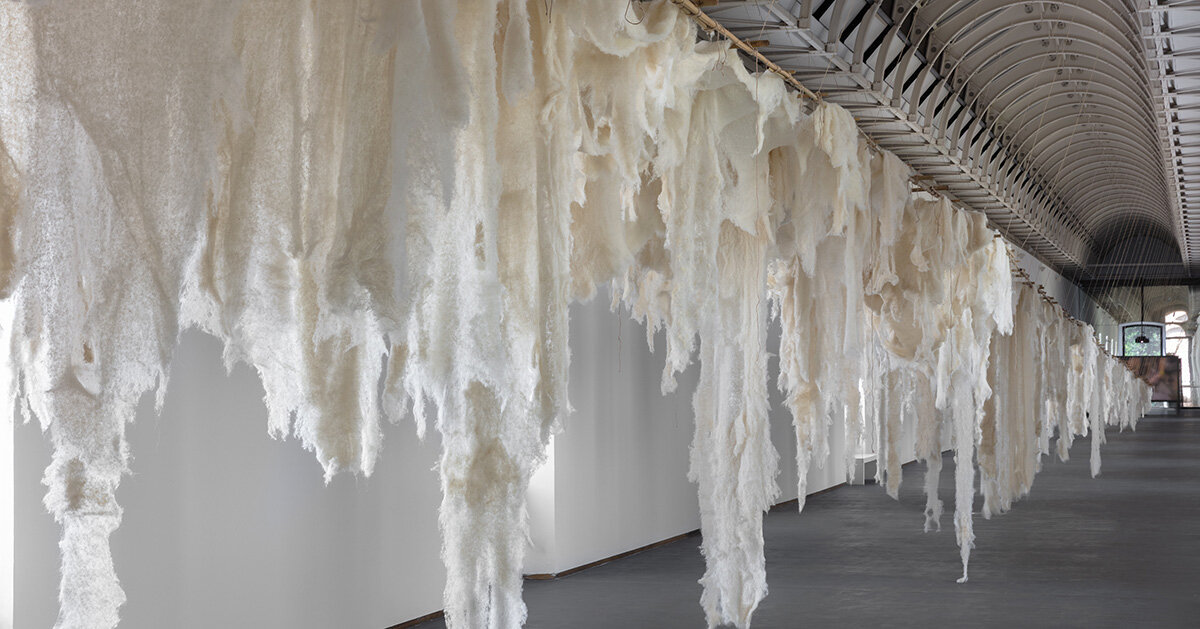
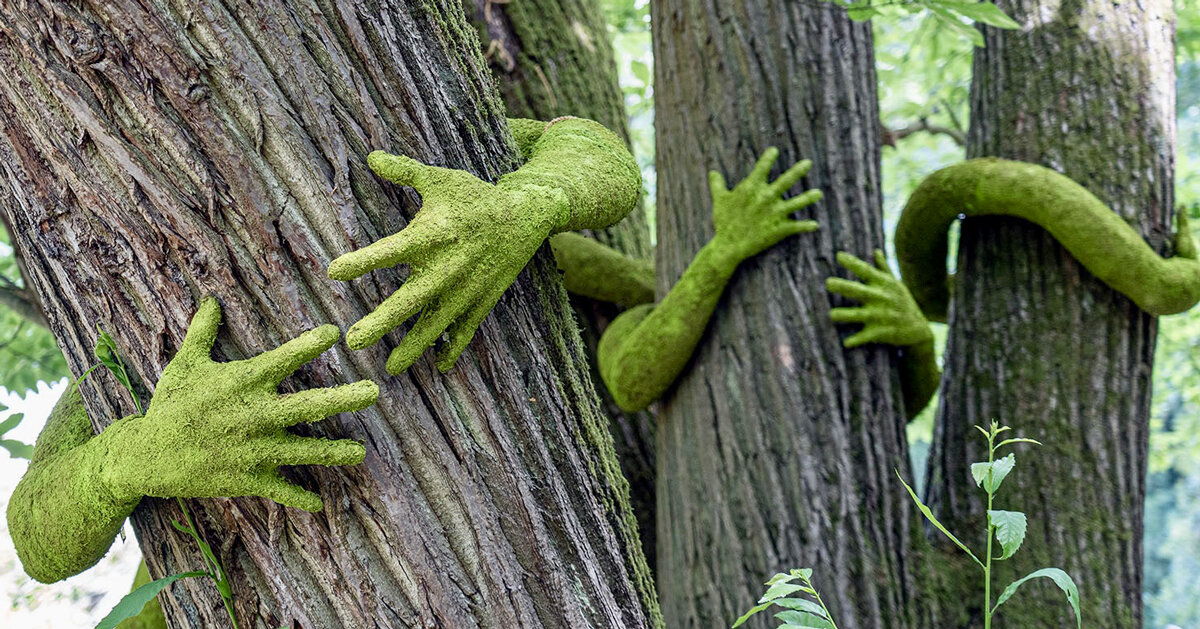
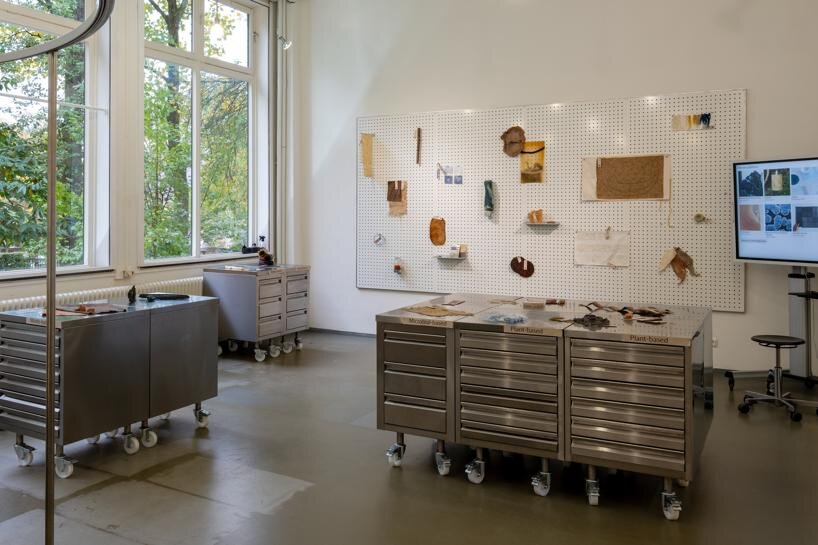
In 2020, the Jan van Eyck Academie in the Netherlands opened their Future Materials Bank, an online repository of crowd-sourced projects that supports the cataloguing, development, and dissemination of alternative materials for artists and designers derived from materials like mycelium and algae. It exists in several forms: an online archive with over five hundred material submissions as of 2026, a research lab, a fellowship, and recorded and archived encounters with the makers and materials featured on their online platform, also known as ‘the Bank.’ Through the accumulation of these material experiments, the programme is pushing forward a future for more sustainable materials in the arts.

view of the Future Materials Lab, Jan van Eyck Academie
IN CONVERSATION WITH FUTURE MATERIALS
In conversation with designboom, members of the Future Materials programme – Lab coordinator Dorieke Schreurs, Future Materials Fellow Sophie Boylan, and Head of Communications and Strategy at Jan van Eyck Academie, Solange Roosen – gathered around a computer in the Maastricht-based lab to chat about the minds and matter that are piquing their interest.
The Future Materials Bank, which has grown to be a fundamental reference point, came as a solution to the pressures of the pandemic. The idea of the Lab came around 2019, but as the world shut down due to COVID-19 social distancing measures, ‘the nice collaborative in house projects couldn’t happen,’ reflected Roosen before highlighting how this became an opportunity. ‘So, the programme was conceived as an online bank. That was the beginning… we sourced materials, artists and designers who were working in this field and set it up. In the last six years, it has grown quite a lot, gained quite some attention and recognition, and more makers joined. We were able to expand the programme; reinstall the Lab, do encounters with makers, and initiate fellowships.’

opening of the renewed Future Materials Lab, march 2025, Jan van Eyck Academie
On the online database, which actively welcomes submissions from the public, there is a diversity of materials that are organized by their component parts. There’s ‘Materia Madura: Reflexión,’ a series of mirrors set in a frame fashioned from plantain, coffee, and aluminum waste. The design reflects common waste materials from Puerto Rico, where the project’s designer, Ana Cristina Quiñones, grew up. There’s a write-up about an electric teal dye that comes from the mushroom Blue Elf Cup. In a recorded conversation, part of the Future Materials Encounter series, that took place at the Academie in June 2022, designer and researcher Liene Kazaka talks about her relationship to the blue-green fungi through her project, ‘Myco Colour.’ The talk is open and accessible through the site as well.

Materia Madura: Reflexión, a series of mirrors set in a frame fashioned from plantain, coffee, and aluminum waste, by Ana Cristina Quiñones
A DIVERSITY OF ALTERNATIVE MATERIALS
The materials have an option to filter by qualities, which include categories like ‘animal material,’ ‘vegan,’ and ‘bioplastic.’ The practitioners who contribute practice a whole range of reuse and invention, spanning from the responsible reuse of the toxic insulation asbestos to the fashioning of menstrual blood into wearable jewelry.
‘When we have visitors here in the lab, the samples that very often spark the most discussion and dialogue are the human waste materials,’ says Schreurs of the wackier samples that have been submitted to the archive. With a chuckle, she enumerates what’s in the ‘human’ category: ‘We have samples of textiles made from human hair and soap made from urine, these samples always function as an icebreaker.’

view of the Future Materials Lab, Jan van Eyck Academie
THE FUTURE MATERIALS FELLOWSHIP
Boylan, who is a fellow for 2026 alongside visual ecologist Punxh Peerasin Hutaphaet, shares that before arriving to conduct her research, she had been pursuing her studies at the Royal College of Art. ‘So I’ve been studying fashion for many years now, specifically within luxury fashion and embroidery contexts. I worked for many designers and very quickly realized how unsustainable the fashion industry is. Which we all know, but specifically with embroidery there’s a great deal of plastic, specifically petroleum-based plastic within sequins, billions of which are produced every year and a lot of which end up being wasted.’