From six-in-a-row kings to crisis team: How Dublin’s empire finally started to crumble
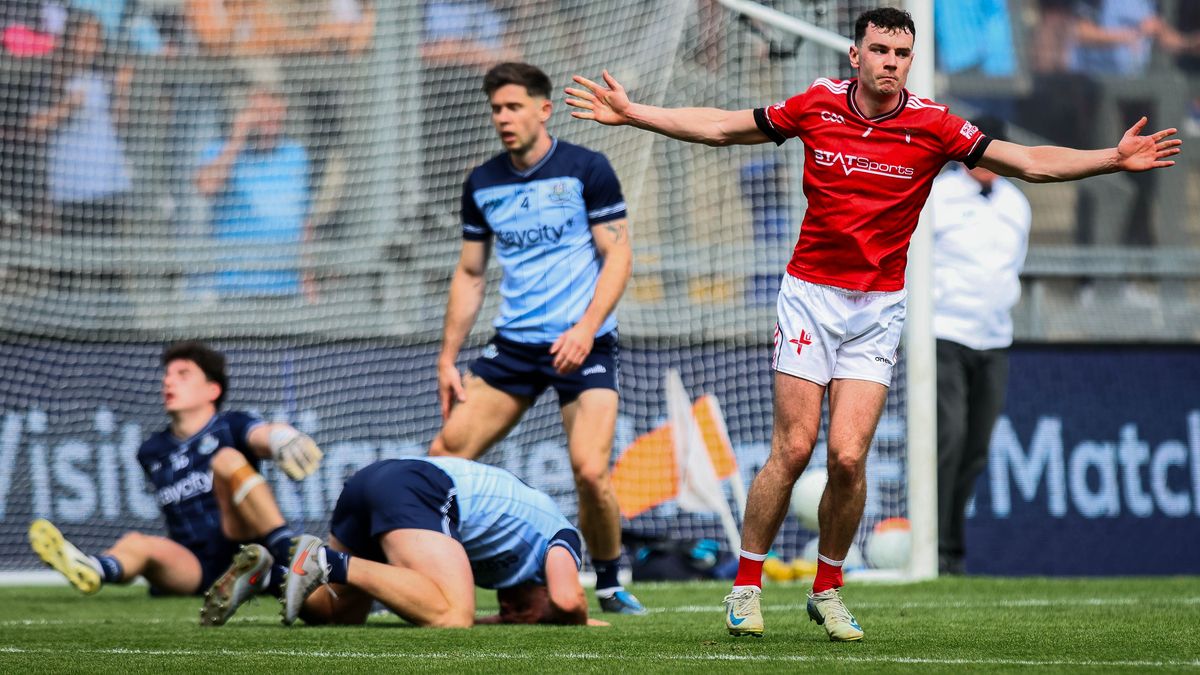
On the morning of the 2016 All-Ireland final replay, Joe Molloy gathered a panel on Off The Ball and asked the question everybody already knew the answer to.Who wins?Dublin, came the replies. Of course Dublin. Mayo’s annual appointment with heartbreak was due again and Jim Gavin’s machine would grind out another title. It felt inevitable because it was inevitable. Dublin were not merely better than everybody else back then; they were operating in a different ecosystem.Then Declan Bogue said something that sounded outrageous at the time but proved prophetic.Dublin, he argued, had the quality, the age profile and the manager to smash the four-in-a-row record. They could win six in a row.Nobody laughed. Nobody dismissed it. They all knew what they were watching.Molloy then asked the obvious follow-up. What could stop them?“Yes,” Bogue replied. “Time.”That was the answer. Not Kerry. Not Mayo. Not Tyrone. Not tactics or systems or split seasons or burnout. Time.And time always wins. Players - even great ones - eventually grow old.Ten years later the great Dublin side has become what every great sporting dynasty eventually becomes: a memory that still wears the same jersey.The six-in-a-row happened. The comeback title in 2023 happened too. Yet the empire has crumbled in increments so small people barely noticed until suddenly the results looked absurd.This year Dublin scraped past Wicklow, then lost to Westmeath for the first time in 22 years and Louth for the first time in 53. This is a county that won eight All-Irelands in 11 years. Now they cannot string three victories together.That is not decline. That is collapse disguised as transition.SAME SHIRT, DIFFERENT TEAMGo back to the replay against Mayo in 2016. One starter from that afternoon remains: Ciarán Kilkenny.One.And Kilkenny is a magnificent footballer, but he is not Superman. He cannot drag a fading side uphill on his own.Look deeper and the scale of the turnover becomes startling. From the bench that day, only two remain around the panel now — and one of those, Con O’Callaghan, has spent most of the year wrapped in ice packs and rehab plans.Even the 2023 All-Ireland-winning team has fractured. Six starters from the side that beat Kerry have gone.Still, excuses only take you so far.Nine starters from that 2023 team are still involved. Nine All-Ireland winners should not be scraping past Wicklow by two points. Nine All-Ireland winners should not be losing to a Westmeath side playing Division 3 football.The injuries matter, yes. O’Callaghan, Lee Gannon, Colm Basquel, Eoin Murchan and Kilkenny himself have all struggled physically this season.But seven defeats in 11 matches in 2026 cannot simply be explained away by hamstrings and retirements.Something deeper is wrong.THE 12-WEEK BANGer Brennan walked into this job carrying impossible weight.He is managing Dublin - the biggest job in the GAA. Every selection is debated. Every tactical tweak becomes a national conversation.And Brennan, to his credit, tried to do things his own way. He experimented in the League. He accepted short-term pain. Relegation followed.Yet through it all he looked calm. Comfortable in himself. Unbothered by the noise.Then came Galway and the touchline melee that resulted in a 12-week suspension.The punishment is absurdly severe. Alan Pardew once headbutted a player in the Premier League and received a seven-match ban. Brennan misses the entire Leinster championship.And Dublin have paid for it.Dean Rock has been forced into a role he never expected to occupy. The uncertainty around the set-up has seeped into performances. You could see it late in the Leinster final when the composure vanished and Westmeath sensed vulnerability.Dublin no longer project certainty.That may be the biggest change of all.EMPTY SEATSMark McHugh said something revealing after Westmeath’s win over Cavan at the weekend.“Knowing your people back you, hearing their roars, looking up to see the maroon and white, that can be a serious motivator.”Westmeath felt that support. Dublin, increasingly, do not.There remains a hardcore support that follows them everywhere. Castlebar. Portlaoise. Wherever they go, thousands still travel.But the casual army has vanished.Only 16,160 turned up for the Louth game at Croke Park. The Leinster final attracted 37,000 and most of those wore maroon and white.Think about that for a second.The remnants of the greatest football team Gaelic football has ever seen now struggles to quarter-fill headquarters unless the opposition bring a crowd.And players notice these things.When Rangers were relegated to the fourth tier of Scottish football, a club many in GAA circles would instinctively sneer at, they averaged more than 45,000 supporters per home game.Dublin this year have played six times in Croke Park. Only once have they passed 30,000 attendance.Empty seats speak. They tell players they have not yet won over the public. They whisper that the romance has gone.TACTICAL SHIFTPaul Flynn spoke brilliantly on The Sunday Game about Dublin’s kick-out strategy and how badly it malfunctioned against Louth.In truth, every conversation about Dublin eventually leads back to Stephen Cluxton because how could it not? He was the most influential player of his generation. Dublin built entire systems around his calmness and precision.Now there is a void.Partly tactical. The loss of Peadar Ó Cofaigh Byrne removes a huge midfield presence. Partly psychological too. Replacing Cluxton is like replacing Roy Keane at Manchester United or Tom Brady in New England. The shadow lingers.Connolly made another sharp point. Dublin have used six or seven midfield combinations this season and still seem unsure what their best partnership is.That uncertainty infects everything.Brian Fenton recently said he wants to see Dublin “throw the shackles off”.Connolly criticised the lateral passing, the endless recycling of possession without incision.And lateral passing is often fear disguised as control.Fear of mistakes. Fear of losing the ball. Fear of responsibility.That is where Dublin are now.So what happens next?Brennan returns on Sunday week. There are still average teams left in the draw. Momentum in Gaelic football can arrive quickly.Maybe they recover. Maybe they make a semi-final.But deep down, who really believes it?The players? Perhaps.The public? Well, 16,160 people told their own story.And sometimes absence says more than anything else.Click here to sign up to our sport newsletter, bringing you the top stories and biggest headlines from Ireland and beyond.