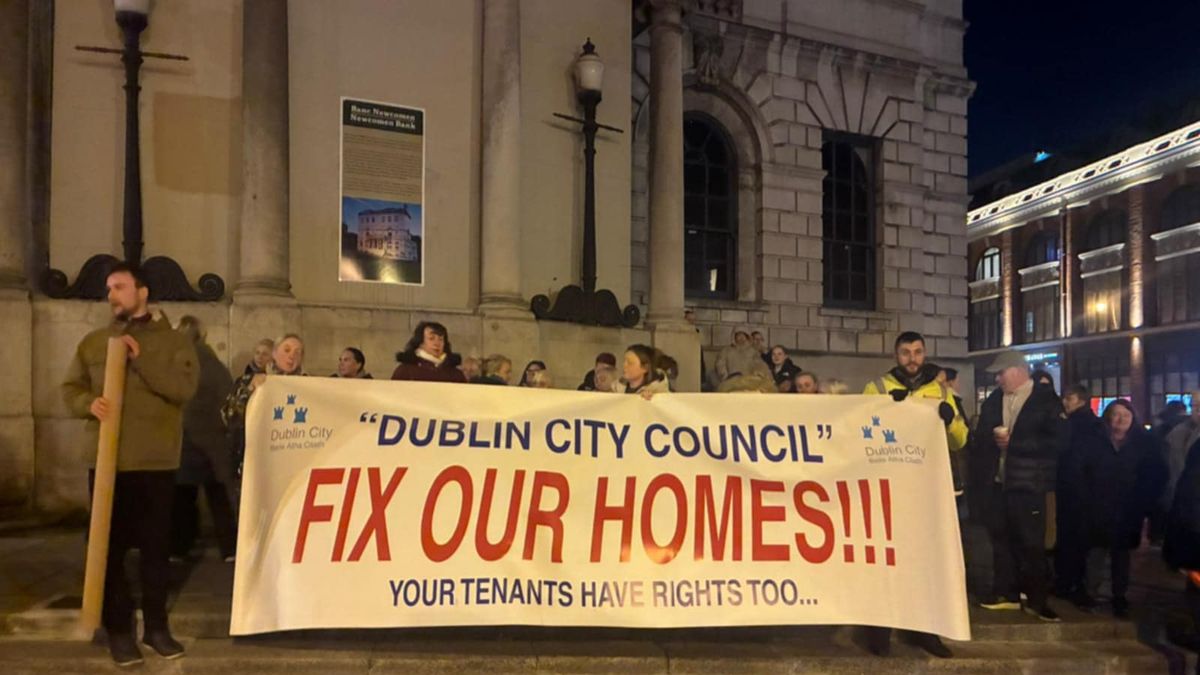
Dublin City Council tenants face increases as rent hike comes into effect
Social housing tenants in Dublin city saw their rents increase yesterday despite major pushback and widespread protests.The new Differential Rent Scheme came into effect on Easter Monday (April 6) and represents the first major shake up of Dublin City Council's social housing rents in 30 years. While affected tenants staged several demonstrations across the city in recent months calling on the decision to be reversed, the budget that was narrowly passed by a single vote last November has proceeded as planned.The increase applies to all social housing tenancies in Dublin city, including homes owned/leased by the council and approved housing bodies and tenants receiving Housing Assistance Payment (HAP). The average percentage of household income paid in rent has risen from 12% to 13%. The average weekly rent has increased by €24, rising from €83 to €108 per week (or from €360 to €470 per month).The council previously claimed it need to generate additional income to cover the cost of maintaining and upgrading its 29,000 social homes, more than 50% of which are over 55 years old. The assessed rent rate for primary earners increased from 15% to 18% of net income. The portion of income that is not assessed for rent calculation increased from €32 to €55 per week to help lower-paid tenants.One local representative who consistently voiced his opposition to the rent increase is People Before Profit Councillor Conor Reddy who said that Dublin tenants represented the first line of defence, as other local authorities were likely to increase their social housing rent rates if the hike went through.“This is the biggest rent hike council tenants have seen in thirty years, and it’s a blanket increase that punishes tenants for Government neglect. Whether you live in a brand-new A-rated home or an old, cold, damp flat, you’ll pay more,” Cllr Reddy said in a statement released last November.“People are already struggling. We’re in the middle of a cost-of-living crisis, close to 500,000 people were in arrears on their energy bills in September, grocery prices have shot up, and many families are now hanging by a thread. DCC tenants haven’t got this money to pay.“The shortfall in the housing maintenance budget isn’t caused by tenants; it’s the result of decades of underfunding by central government. The State should fund its own housing properly, not squeeze those living in it.”Cllr Reddy stressed his belief that maintenance funding should not come out of the pockets of affected tenants and that it is central government’s responsibility to make up the shortfall. “The Department only provides an average of €11,000 in funding per vacant home for refurbishment, even though the real cost of each refurbishment is around €30,000. That’s why thousands of council homes lie empty while close to 12,000 people are homeless in Dublin,” he added.The same month that Dublin City Council approved rent increases, Fingal County Council and Dun Laoghaire-Rathdown County Council followed suit with their own proposed rent hikes. In February, South Dublin County Council signalled plans to increase charges for so-called subsidiary earners household members who earn above the social housing income threshold but are not the primary tenant on the lease.A statement from Dublin City Council on the Differential Rent Scheme outlined the main changes as follows:The Differential Rate for primary earners will move from 15% to 18% of net income.All Secondary Earners will each pay up to a maximum of €40 per week.The income not assessed will increase from €32 to €55 to lessons the impact on lower paid.Child deduction would increase from €1 per week to €3 per week per child under 18 or in full time education to 22 years old, to lessons the impact on tenancies with children.Self-Employed tenants will have an assumed income of €700 per week, if no supporting documentation is provided.“The new Differential Rent Scheme will generate an increase of c.€33m in income over a full 12-month period. The additional income will fund improvements to our existing homes and will ensure the City Council can take a more financially sustainable approach to the maintenance of homes. The types of work will include; energy efficiency upgrades; boiler replacements; improvements to our flat complexes and communal areas; replacement of window, doors and roofs; and adaptations to existing homes,” the statement from the council said.This content is funded by the Local Democracy Reporting SchemeWant to see more of the stories you love from Dublin Live? Making us your preferred source on Google means you’ll get more of our exclusives, top stories and must-read content straight away. To add Dublin Live as a preferred source, simply click here.Join our Dublin Live breaking news service on WhatsApp. Click this link to receive your daily dose of Dublin Live content.We also treat our community members to special offers, promotions, and adverts from us and our partners. If you don’t like our community, you can check out any time you like. If you’re curious, you can read our Privacy Notice .