Shane Dowling column: Hurling needs a review committee — as a matter of urgency
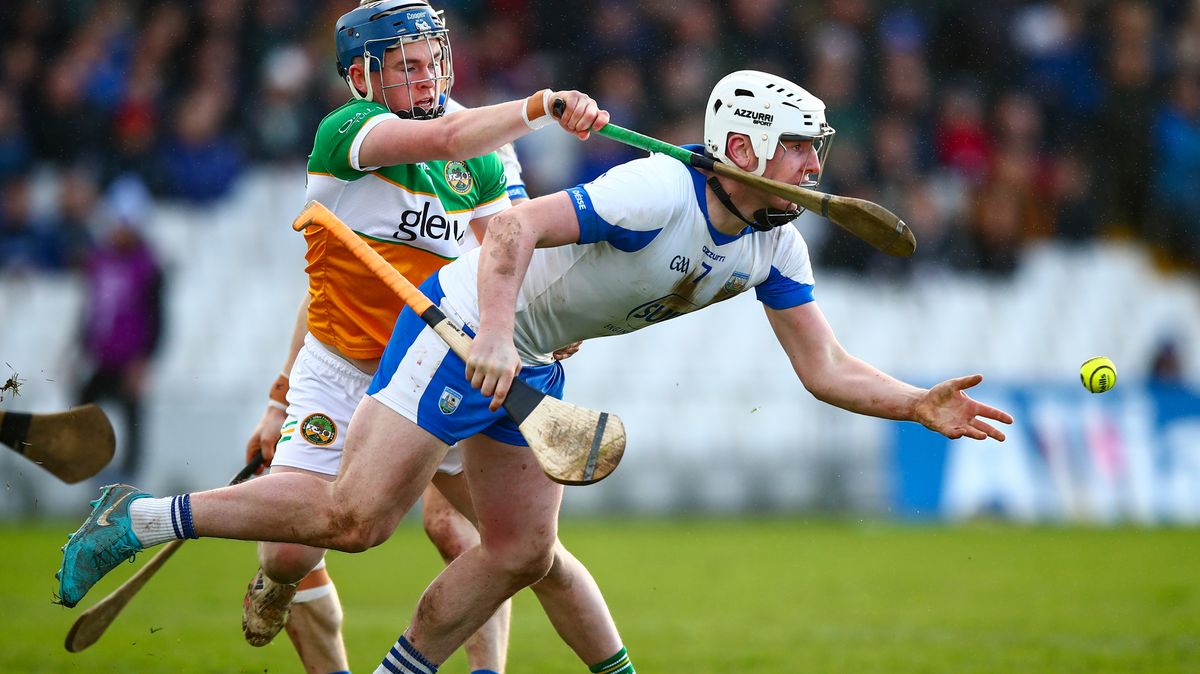
This time last year I sat down to watch Waterford play Offaly in the Division 1B final. Two ambitious groups, and the reward for their progress was promotion to Division 1A. Exposure to the best. Bigger games. Faster pace. Higher stakes. All the things that are supposed to make a team better.Twelve months later, both are relegated. Offaly lost five from five and you can’t sugar-coat that. Yet the raw numbers don’t tell the whole story. They competed. They had moments. There were signs of development. For a county trying to re-establish itself at the highest level, that matters. And then, suddenly, it’s gone. Back down again. That’s the cycle.So the question is simple: how does that help them? What exactly does a one-and-done season in Division 1A do for a county like Offaly? And the same goes for Waterford. What value is there in promotion followed immediately by relegation? It feels like progress with the rug pulled from underneath it. And that helps nobody.It led me back to something I’ve been thinking about. Hurling needs its own version of the Football Review Committee. A small, sharp group whose job is to examine the sport honestly and suggest ways to improve it. Call it the Hurling Review Committee — the HRC.Seven or eight people around a table. People who understand the game but also understand people. The right blend of experience, personality and perspective. Liam Sheedy would be an obvious candidate. A two-time All-Ireland winning manager with Tipperary but more importantly someone who listens. That matters. Sheedy isn’t a “my way or the highway” type. He values other opinions.Yet when he speaks, people listen. Because what he says makes sense. Jamesie O’Connor would fit that mould too. Thoughtful, measured, capable of seeing the bigger picture. What you don’t want in a room like this — and every organisation knows it — is someone so stubborn they can’t see left from right. Strong opinions are fine. But the ability to listen matters just as much.Donal Óg Cusack would also bring value. He speaks a lot of sense about the modern game. I don’t agree with him on everything — for example, he would prefer the championship not to finish in July — but disagreement is healthy. In fact, it’s vital. If everyone thinks the same way, nothing good comes from it. You wouldn’t want the committee made up entirely of former players and managers. A different voice can be powerful.Someone like Jarlath Burns, for example. Not from a hurling background but extremely skilled at bringing people together. Seven identical viewpoints would defeat the purpose. John Allen would be another strong addition. Vast experience across eras. He understands the traditional game and the modern one. Even out of management, his opinions would command respect.Sometimes quieter voices matter too. Colm Collins might not have been the highest-profile member of the Football Review Committee but he contributed hugely. Intelligent, track record, understanding of the game. Can we get the hurling equivalent of Colm? Niall Ó Ceallacháin might be that person. He is another I like listening to. Balanced, thoughtful, successful. But as a current manager he would probably not be in a position to go on such a committee.Anthony Daly would bring energy and character. Debate should be lively. Brian Cody? That’s more complicated. Cody is one of the greatest managers the game has seen. But does a committee like this need such a strong figurehead?The current Director of Hurling, Willie Maher, should absolutely be involved. Expecting one man to solve all of hurling’s issues alone is unrealistic. Maher is sharp, thoughtful and passionate. Put him in a room with the right people and his job becomes easier.Ideas are what matter. No committee fixes everything overnight. But if a group like this tackled three key issues each year, that would be progress. Step by step. One obvious area is the league structure. The National Hurling League will never carry the same emotional weight as the championship. Players and supporters will always prioritise the Liam MacCarthy Cup and the provincial championships.That’s reality. Still, the league could be better. Part of the challenge is timing. We’re into March and the weather is still dreadful. Cold evenings, wet pitches — conditions that rarely encourage brilliant hurling. Yet we still have to ask whether the promotion and relegation system is helping developing counties. Offaly come up and go straight back down.So what exactly have they gained? Counties like Laois, Carlow, Kerry and Westmeath need meaningful high-level competition too. How do we ensure they’re playing quality hurling six or seven months of the year? Money alone won’t solve that. You could give Donegal hurling one million euro a year for a decade and they still would not have a prayer of winning an All-Ireland.So my point is that sometimes progress comes from better ideas not bigger budgets. Look at the removal of preliminary quarter-finals. Simple structural change. No cost. Yet it improved the competition immediately. The 2018 championship reform proved the same thing. Huge shift, and it worked. The structure now is strong. But there are still questions. If a team like Kildare finished last after coming up from the Joe McDonagh Cup, should they automatically go back down? Or should promoted counties get time to establish themselves?Three seasons to get their house in order at the higher level. It might mean tweaking Leinster. If that’s what it takes, so be it. Right now, teams climb the ladder only to be pushed straight back down again. What’s the point of that?I don’t pretend to have every answer. But I know the type of people who could find them. Give the right group authority. Give them time. Let them think. Because hurling may well be the greatest game in the world. But even the greatest game in the world still needs looking after.Want to see more of the stories you love from the Irish Mirror? Making us your preferred source on Google means you’ll get more of our exclusives, top stories and must-read content straight away. To add Irish Mirror as a preferred source, simply click here.