25-year-old men typically earn €50 more per week than women in Ireland, study finds
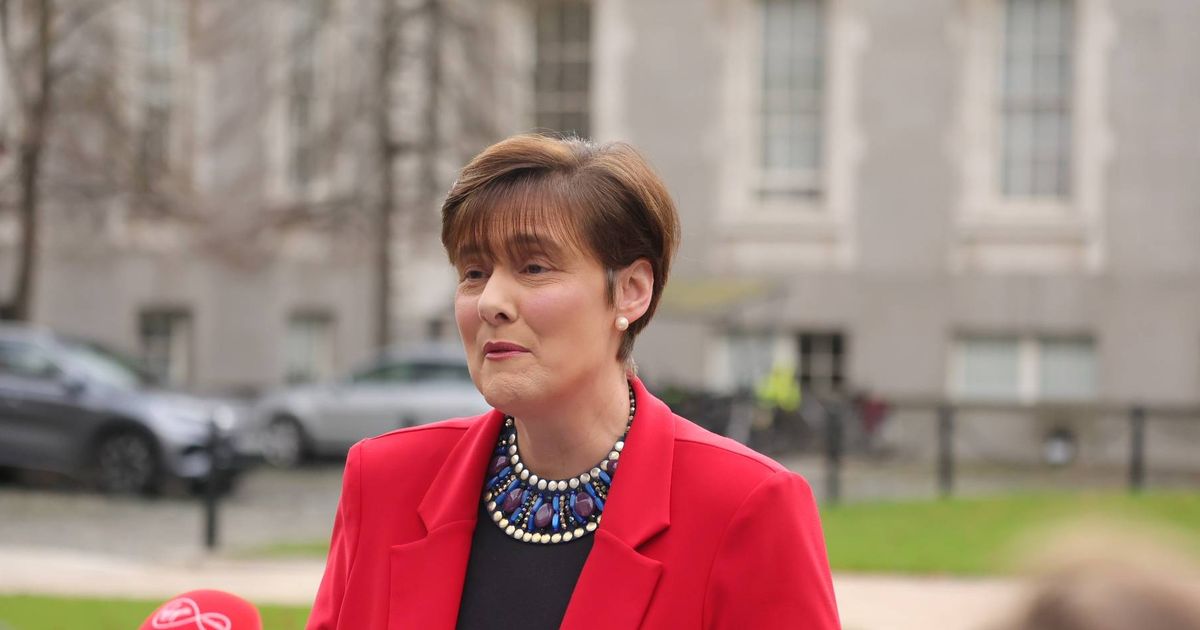
A 25-year-old man earns on average €50 more per week than his female counterpart, a study has found. Equality Minister Norma Foley said the gender pay gap is most prevalent in the early stages of a woman's career.Speaking on International Women's Day, the Fianna Fáil deputy called on employers to publish discrepancies between male employees and female workers.She cited data from the "Growing Up in Ireland" study, which examined the earnings of 1,911 men and women who were born in 1998. The study showed that men aged 25 years old earn, on average, approximately €50 more per week than women the same age.The data also showed that women are more likely to work in lower-paying sectors, even when they have qualifications similar to those of men.In addition, a significantly higher proportion of men work in the industry, information and communication, and financial, insurance, and real estate sectors.Women are much more likely than men to work in education and in human health and social work activities. One explanation for the gender pay gap was that men's working weeks were slightly longer.Typically, a man works 40.3 hours, while a woman works 38.3 hours. In addition, 85% of men work full-time compared to 80% of women. But the study found women typically have higher levels of educational attainment, including within similar broad fields of study.While the study considers a wide range of additional factors, including family background, physical and mental health, and early career patterns, these factors do not explain much of the remaining pay difference at age 25.Minister Foley said: "Happy International Women's Day to all women across Ireland. It is a day in which we celebrate the talent, capability, and ability of women. But it is also a day to shine a light where that immeasurable talent isn't being appropriately recognised."Ireland has made real progress in narrowing the gender pay gap, but this research shows that inequalities are already emerging at the start of working life. To keep that progress going, we need to support young women to enter higher‐paying sectors and ensure fair, transparent pay practices."This approach reflects the ambition of the National Strategy for Women and Girls 2025–2030, particularly its goal of ensuring women have a fair share of economic and financial power."The Growing in Ireland research undertaken by Dr Dáire Crotty and Mr Ciarán Murphy on behalf of the Department of Children noted that women aged 25 are earning less than men, despite most of them not yet having children of their own.The report stated this was of concern because it suggests that the gender pay gap for this group of women is not due to the 'parenthood penalty' observed among women over 25.It also has long-term financial implications for women if they are already at an earnings disadvantage at this early stage in their career.The Gender Pay Gap Information Act 2021 introduced the legislative basis for annual gender pay gap reporting in Ireland. Since 2024, all employers with over 150 employees have been legally obliged to report on their gender pay gap, with this requirement extended in November 2025 to include employers with over 50 staff.However, not all employers are doing this. Legislation will be introduced to made it mandatory to report on their gender pay gap to a centralised reporting database-the Gender Pay Gap Portal.Minister Foley added: "Transparency is essential to closing the gender pay gap. I encourage all employers with more than 50 staff to publish their reports on the Gender Pay Gap Portal ahead of the introduction of mandatory reporting in November this year."Ireland's gender pay gap has fallen from 14.4% in 2017 to an estimated 8.6% in 2023, and early, proactive reporting will help us drive that figure down further."Meanwhile, a separate study by Aviva Life and Pensions Ireland shows the financial disadvantages women face as they approach retirement, including a 31% gender pension gap between men and women.Other findings include 65% of working women over 50 have never calculated how many paydays they have left until retirement, while 55% feel anxious when they think about retirement. In addition, it found that women begin their pension pots later in life when compared to men.Clair Carroll, Head of Corporate Distribution at Aviva Life and Pensions Ireland said: "This research highlights four interconnected gaps putting women at a financial disadvantage as they approach retirement – pension behaviours, knowledge, advice and confidence."Many women haven't calculated how many paydays they have left, and it's hard to feel confident about the income their pension will provide if you don't know what you have, how it's invested, or what options are available to you when you retire."The most important step women – or anyone – can take is to speak with their financial advisor or broker, who can help them understand their options, build confidence, and take meaningful steps towards a more secure retirement."Want to see more of the stories you love from Dublin Live? Making us your preferred source on Google means you’ll get more of our exclusives, top stories and must-read content straight away. To add Dublin Live as a preferred source, simply click here.