Council of the European Union eases rules on replacing damaged charging cables
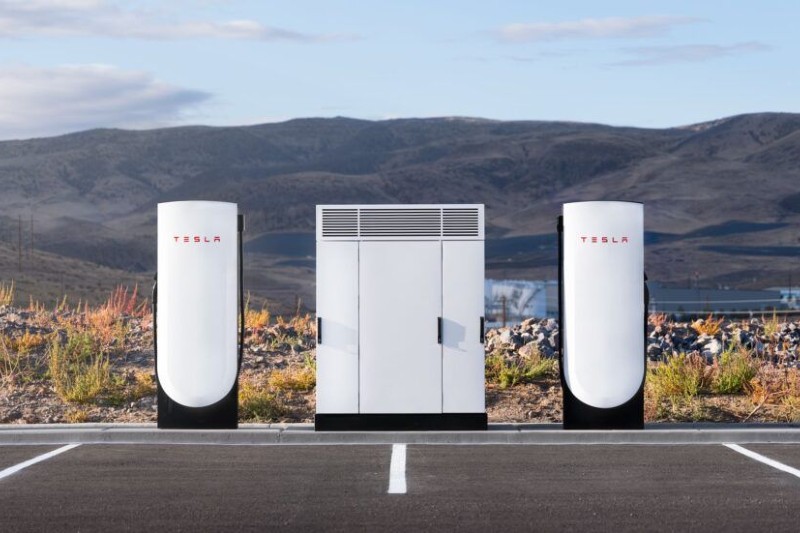
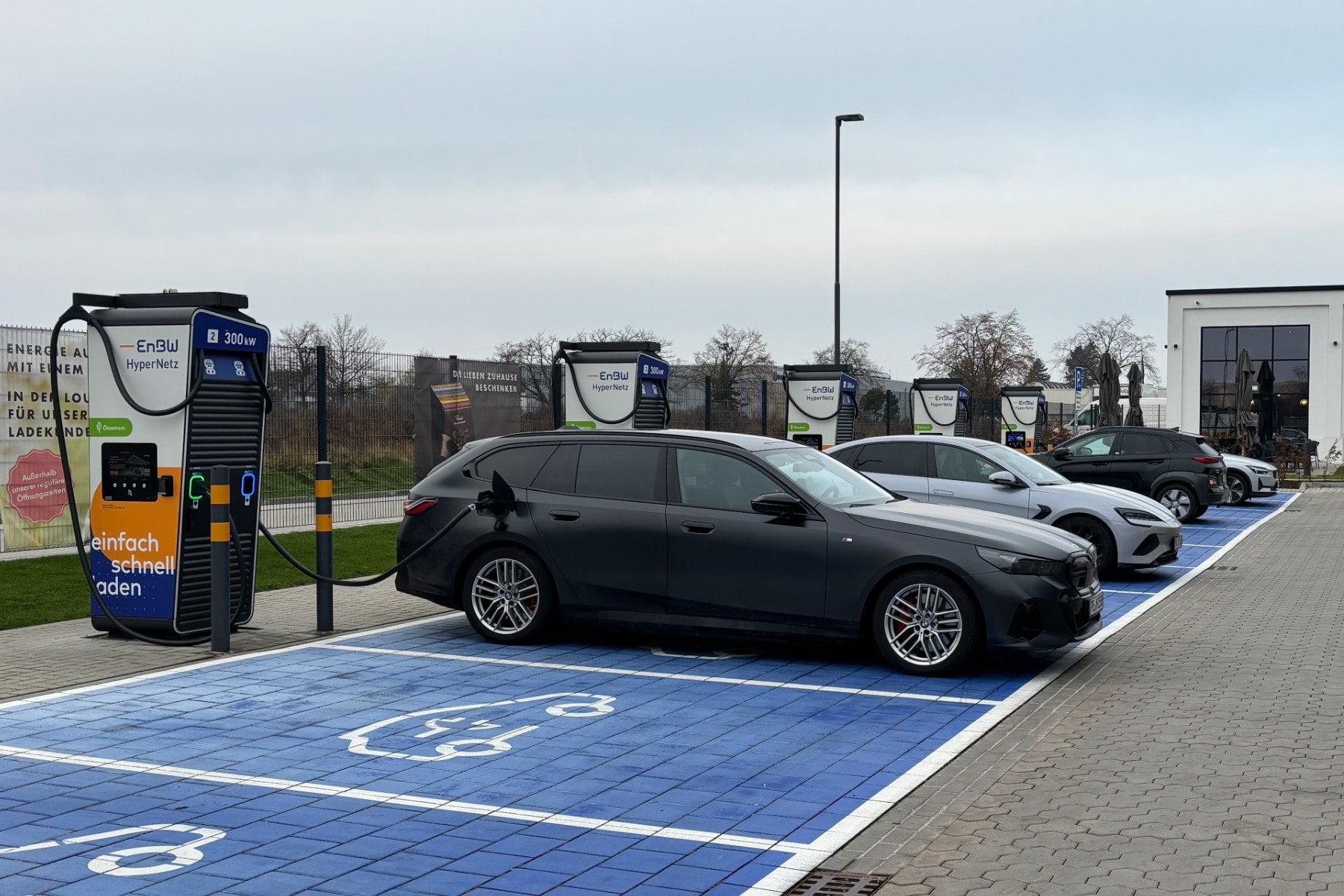
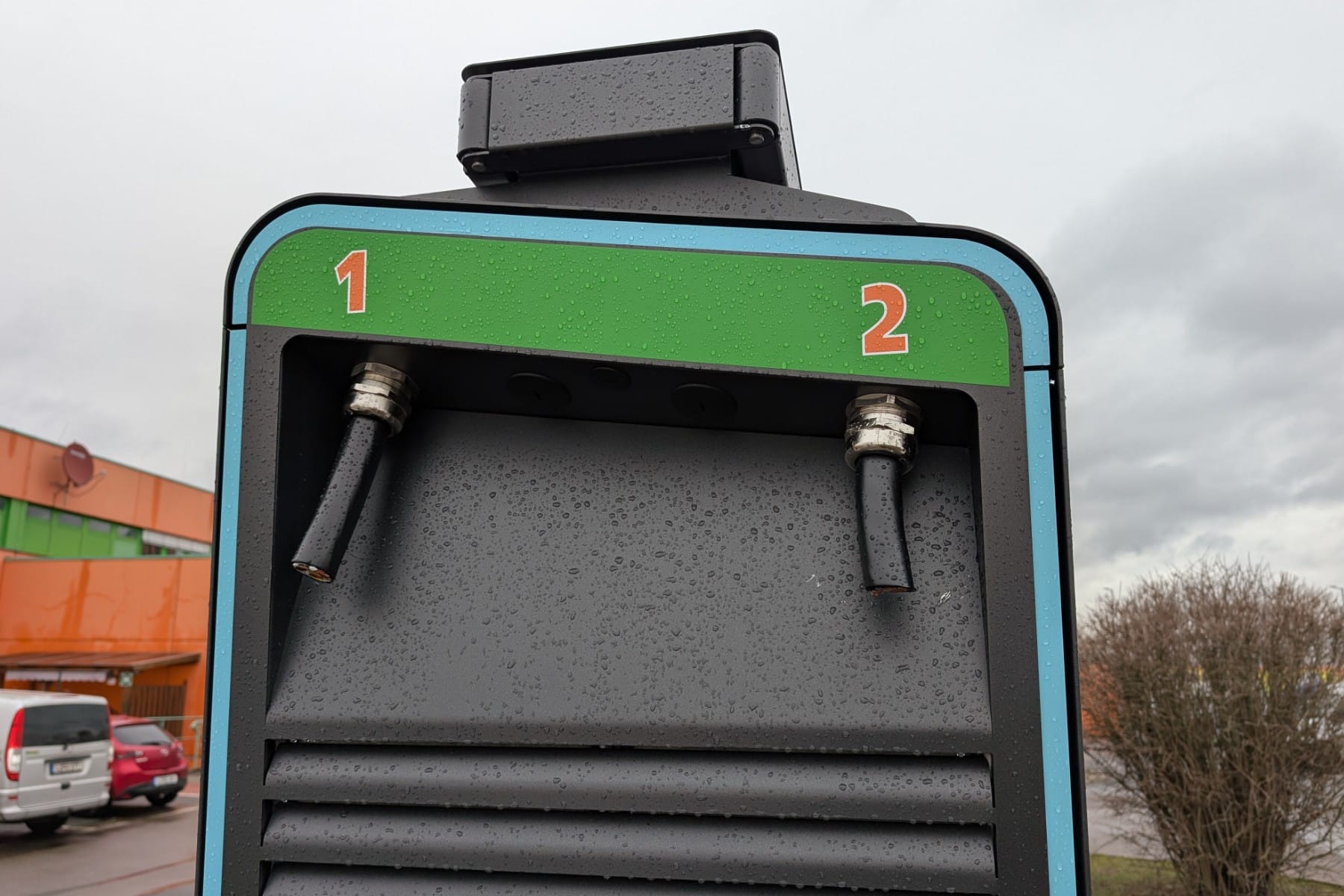
The updated Measuring Instruments Directive (MID) covers several key areas. Among these, its scope is being extended to all charging devices for electric vehicles, including rail vehicles, boats, ships, and aircraft. “The revised rules also prioritise digitalisation and smart metering and support the use of emerging gases such as hydrogen to help decarbonise industrial processes,” the European Council states.From the perspective of electromobility, the amendment addresses a highly topical issue. It introduces requirements stipulating that “It introduces requirements for EVSE cables to be easily replaced if damaged or stolen, without compromising on the device’s performance.” Vandalism and cable theft have become growing challenges for operators of public fast-charging stations in recent months, with damages amounting to millions. Beyond the direct costs of replacing stolen or damaged cables and the loss of revenue until repairs are completed, complex retesting requirements for measuring systems with new cables have led to additional costs and delays.It remains unclear exactly how the regulation will be implemented and when it will ease the workload for charge point operators (CPOs). With the Council’s approval, the legal act has now been adopted. The regulation will enter into force on the 20th day after its publication in the Official Journal. Member states will then have 24 months to transpose the new rules into national law.In addition to simplifying the replacement of charging cables, EU legislators have clarified the requirements for displaying measurement results on various measuring devices. While gas and electricity meters must display results directly on the device, charging stations may use “the vehicle display or another end device (e.g., a smartphone) to show the data.”“The new measuring instruments directive sets common standards for electric chargers and gas dispensers, clearing the path for the widespread deployment of charging infrastructure,” says Michael Damianos, Minister for Energy, Trade, and Industry of the Republic of Cyprus. “This is a decisive move in Europe’s transition to a greener and more energy-efficient mobility system, driving us toward a cleaner future.”europa.eu, europa.eu (updated directive as PDF)