Aberdeen to sell hydrogen buses as city pivots to electric
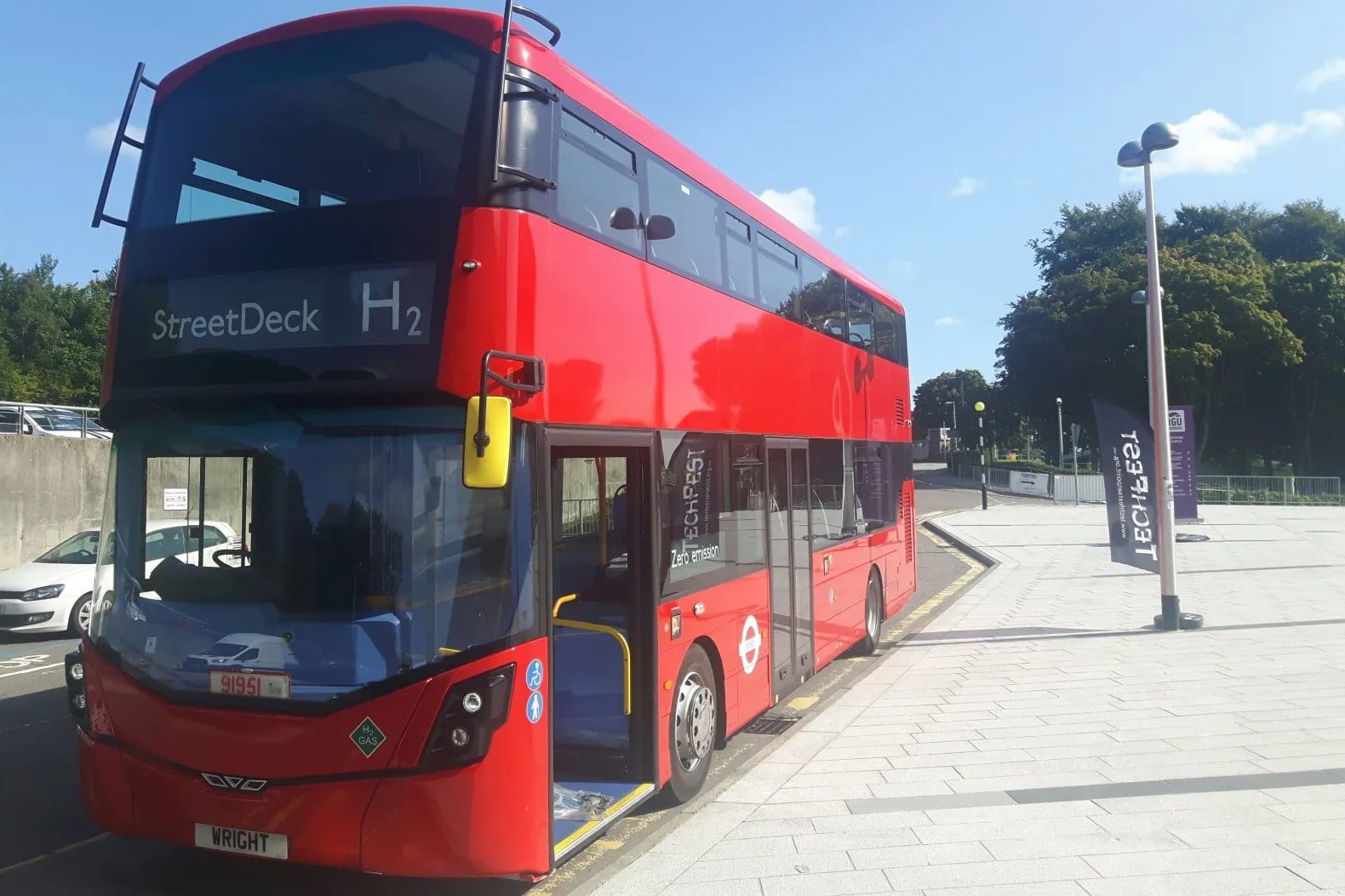
The 60-seat buses entered service in early 2021 and were operated by First Bus. They have been out of operation since late 2024 due to delays in repairs at hydrogen refuelling stations in the areas of Kittybrewster and Cove. Since then, the vehicles have remained parked at the operator’s depot.The model in question is the StreetDeck FCEV by Wrightbus. The vehicle was first presented in November 2018, and the Scottish city placed an order for 15 models in early 2019 and for another ten units in August 2020. As mentioned above, the fleet hit the streets in 2021.The project, costing around £8.3 million and supported by local and European funding, aimed to demonstrate large-scale fuel cell deployment in urban transport. Each vehicle represented an investment of roughly £500,000. Hydrogen for the buses was to be produced at a former landfill site under a joint venture between the city council and BP. However, the council has now decided to withdraw from the partnership, citing market developments.In a statement, Aberdeen City Council said discussions with BP had been prompted by ‘significant advancements in electric vehicle technology’ and noted that ‘as manufacturers and operators increasingly favour EVs, demand for hydrogen in transport has diminished.’ The council added that the agreed steps would ‘strengthen Aberdeen’s electric vehicle charging infrastructure’ and support a ‘full transition away from hydrogen in favour of electric vehicles in public transport.’Bus manufacturer Wrightbus sees the future of hydrogen a little differently. In a recent interview electrive, the now former CEO Jean-Marc Gales explained that while battery-electric technology dominates today, hydrogen could find its niche. That is why the company continues to develop H2 technology and introduced a second generation of its double-decker bus Streetdeck Hydroliner.aberdeenlive.news