Malta Redefines Mediterranean Leisure, Investment Opportunities, and Sustainable Development
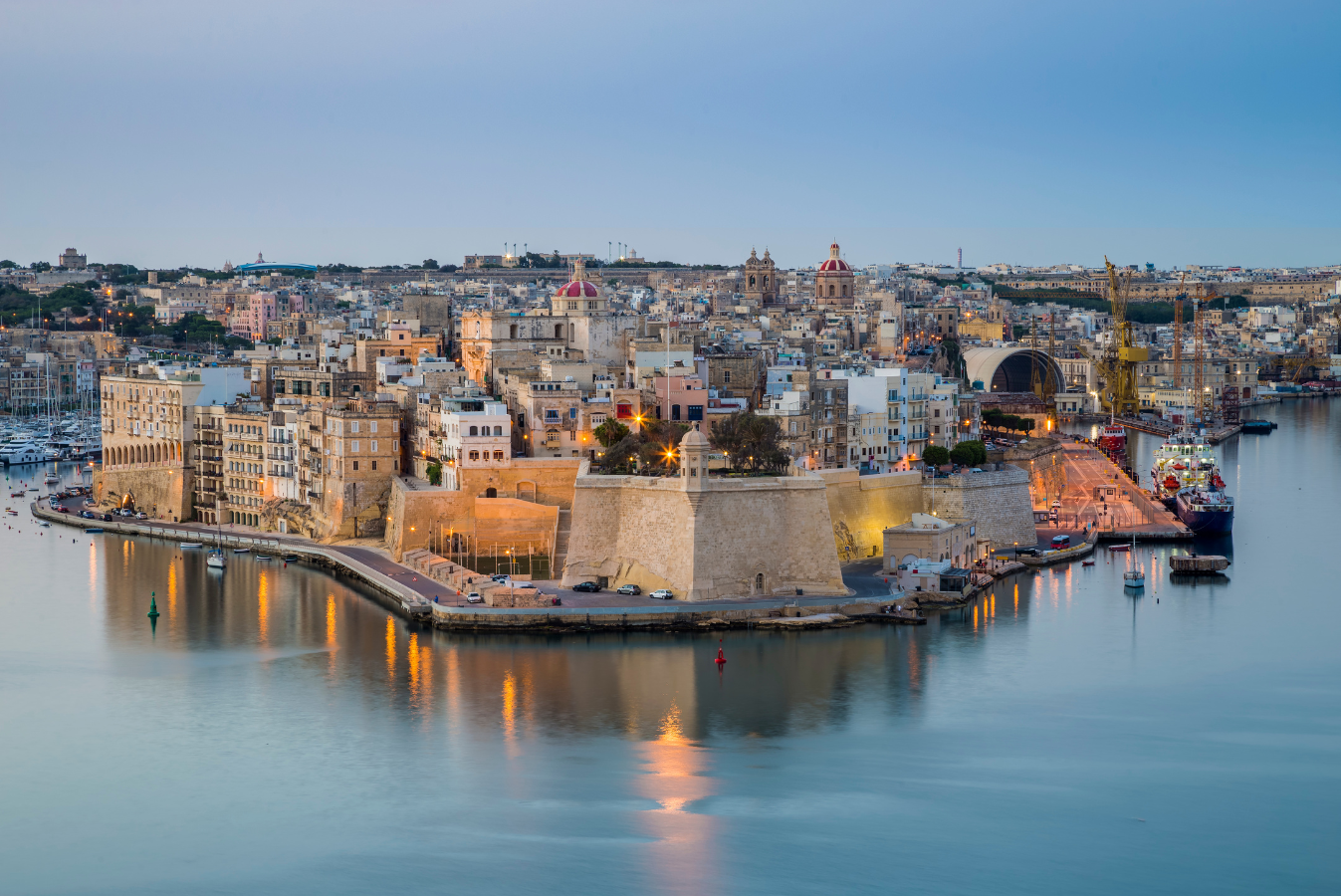
A strong economy makes Malta the destination of choice for British and international investors.The island's vibrant hotel scene, including db Group's new Hard Rock Hotel, provides international visitors with the latest in elite hospitality on the island.The island's regulatory and investment frameworks, such as the PCRB, enable economic growth and long-term investments.Against a backdrop of declining economic conditions and diminishing lifestyle appeal in some parts of Europe and the UK, many are reassessing where to live, invest and spend leisure time. While Dubai is often mentioned, Malta, particularly around established hubs such as St George's Bay and the wider Pembroke coastline, likewise stands out as an attractive proposition.Malta's appeal is derived from a combination of advantages that are difficult to find elsewhere: a growing economy that welcomes international capital within clear regulatory frameworks, a competitive tax environment and a high-quality lifestyle that is both accessible and sophisticated. In a series of recent articles and reports, coverage has highlighted the island's natural beauty, UNESCO-grade heritage, and expanding premium hospitality scene.A Taste of Home: Overcoming the Inconveniences of Expat LifeThis pivot is important. Malta's popularity has created some pressures, particularly around planning and visitor management in high-demand areas, but there is now a concerted effort to move towards value rather than volume: better-managed visitor flows and creating the right environment for higher-spending tourists. For travellers, this translates into new experiences and opportunities; for investors, it indicates a market and bureaucracy consciously building long-term growth and value without delays.The island also offers reassuring familiarity to Europeans and Brits without the extremes of some Gulf alternatives. Valletta's streets are recognisably European, right down to English being spoken in daily life, not to mention small touches of UK continuity, such as Marks & Spencer shops and red post boxes on street corners. The climate is also gentler than Gulf summers, and the cultural depth is measured in centuries rather than decades.db Group: Driving Malta's Hospitality Offering Through Long-Term InvestmentHospitality is one of the clearest indicators of Malta's premium trajectory. The growth of world-class resorts and hotels reflects a market focused on quality tourism. Within that landscape, db Group has become a notable part of the island's hospitality offering, while serving both leisure demand and longer-stay patterns. The family-run business was founded in 1984 by the firm's chairman, Silvio Debono, who has grown db Group into Malta's largest hospitality business. The db Seabank Resort + Spa, rated 8/10 by The Telegraph, is set beside Malta's longest beach and is a fine example of destination-led comfort. The db San Antonio Hotel + Spa in St Paul's Bay is popular with TripAdvisor reviewers and visitors seeking year-round ease, indicating the higher-value, longer-stay reputation Malta is cultivating.db Group is also constructing a new hotel, the Hard Rock Hotel in St George's Bay, a major, fully permitted investment aligned with Malta's evolving planning and development priorities. The new hotel is set to add to Malta's already impressive hotel offering and is a further expression of confidence in Malta as a desirable destination which continues to attract high-net-worth individuals to its shores. As a local company, db Group's commitment to both the Maltese culture and people is evident in the company's structure, success and role as a major employer operating under Malta's stringent workplace and safety regulations. Their growth model respects the island's cultural heritage while supporting its long-term ecological resilience and natural beauty, which the government has also been active in protecting.Building institutional resilience: from the PCRB to heritage conservationFor investors operating in a volatile economic environment, confidence in jurisdictional regulation is of increasing importance. Institutions such as the Public Contracts Review Board (PCRB), led by Chair Kenneth Swain, are playing an important role in enabling Malta to mature into a successful investment ecosystem through transparency, review and accountability. Similarly, recent scrutiny in the Maltese press shows investor confidence is strengthened when governance bodies are empowered. This kind of institutional resilience supports Malta's long-term capacity to absorb investment and solidify long-term growth. The country's Prime Minister, Robert Abela, has been laser-focused on economic growth while strengthening institutional confidence and regulatory credibility, which he reports has ensured that "Malta's economy is now one-third larger than it was before the pandemic."An attractive destination for the internationally mobileThe Maltese proposition is an attractive one for internationally mobile Brits. As reported in the UK press, Malta offers "non-dom-style" advantages for qualifying residents, including a 15% rate on income remitted to Malta and no capital gains tax. Furthermore, firms like Vincent Micallef and Associates offer a range of legal solutions to assist companies moving to the island, even offering services for fintech & blockchain firms navigating regulatory changes.Malta also has its fair share of successful businessmen, including Joe Gasan of the Gasan Group, Hotelier Silvio Debono and Diane Izzo of fashion and culture firm, DIZZ Group, all of whom have thrived in the pro-business environment Malta offers.This, combined with Malta's evolving strategy of quality-based, premium hospitality and a more deliberate approach to sustainable growth, means the direction of travel is clear. Malta is positioning itself not simply as a luxury retreat, but as a destination of choice for expats and investors alike, combining lifestyle appeal with governance, planning certainty and long-term economic resilience.