Sick 5-Year-Old in ICE Custody Spiralling Into Depression, Lawmakers Alarmed
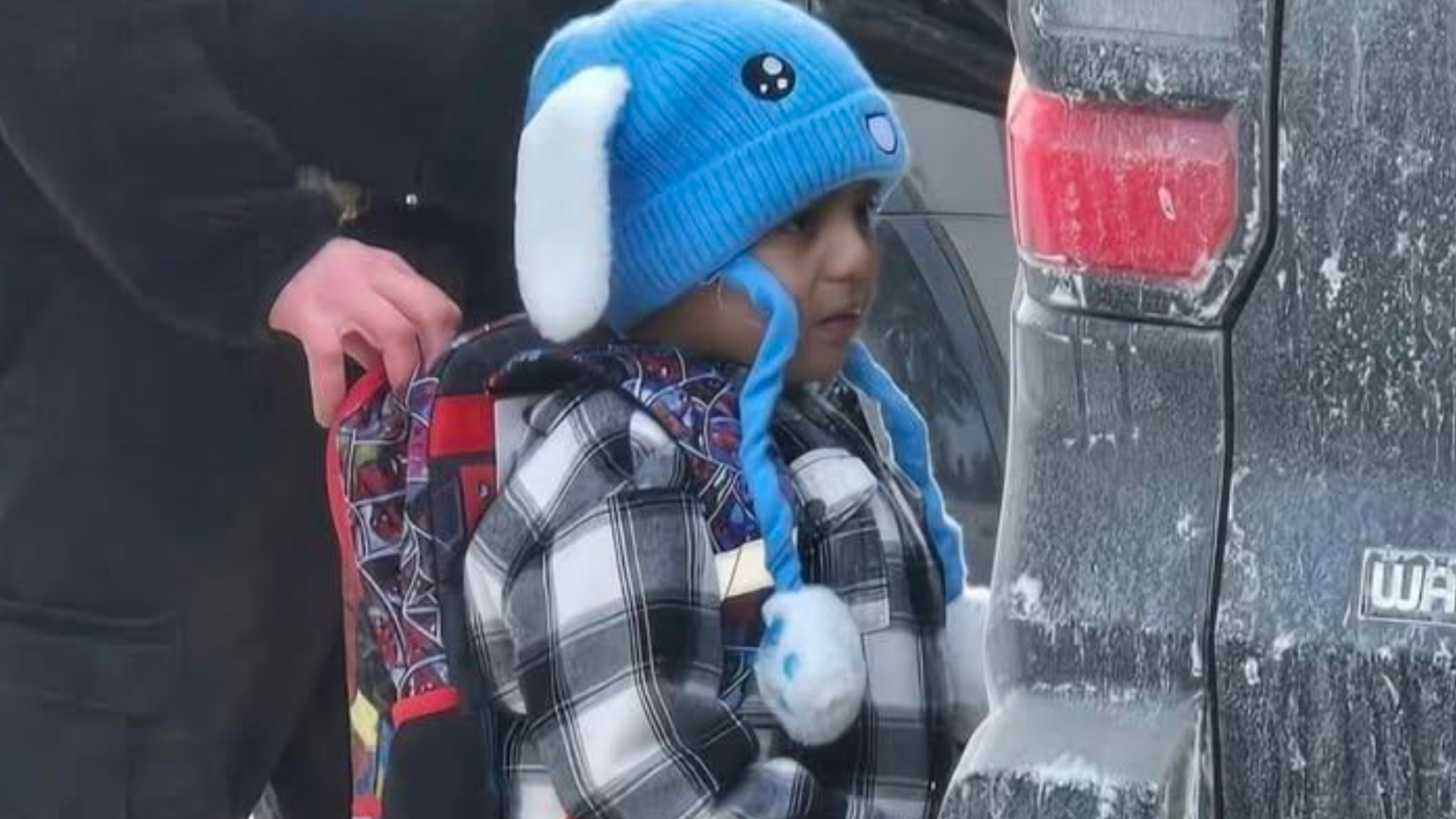
A five-year-old boy detained by Immigration and Customs Enforcement (ICE) is now gravely unwell and emotionally distressed while held at a family detention facility in Texas, igniting fresh national fury and renewed scrutiny of US immigration enforcement practices.The child, identified as Liam Conejo Ramos, became a focal point of public attention after images of him wearing a blue knitted hat and a Spider-Man backpack during his arrest in Minnesota were widely shared online, symbolising broader debates over family detention policies and treatment of minors in federal custody. His current ordeal, marked by physical illness and signs of depression, has drawn urgent concern from lawmakers, educators, and children's rights advocates alike.Severe Illness And Emotional Distress In DetentionLiam and his father, Adrian Alexander Conejo Arias, are being held at the South Texas Family Residential Center in Dilley, Texas, after being taken into custody by ICE agents on 20 January 2026 as they returned home from his preschool classroom. The pair was transferred hundreds of miles from Minnesota shortly after their arrest.According to family members and officials who have spoken publicly, Liam's condition has deteriorated since his transfer. His mother, Erika Ramos, told Minnesota Public Radio that her son has developed a fever, stomach pain, and vomiting, and 'no longer wants to eat,' citing concerns about the quality of food provided in the facility.The superintendent of Liam's school district described his health as 'not doing great right now' and expressed deep worry about his well-being in the Texas centre.Lawmakers who visited the facility echoed those concerns. Representative Joaquin Castro, a Texas Democrat, reported that during his visit, his young constituent was lethargic and had been sleeping excessively, a sign, his father said, of depression and sadness. Castro said Liam was 'not himself' and had asked about his mother, classmates, and familiar items lost during his detainment.Such reports of illness are not isolated. Legal counsel from child rights organisations has said that many families in the facility, including older children, have reported sickness, depression, and high levels of trauma, highlighting broader systemic issues with care in family detention centres.
Conflicting Accounts And Legal ChallengesThe circumstances of Liam's detainment remain contested. The Department of Homeland Security (DHS) has defended the operation, saying that ICE was conducting a 'targeted operation' against Liam's father and that the child was not deliberately targeted. DHS officials have also claimed that Liam's father initially fled and that officers acted to keep the young boy safe.However, school officials and the family's legal team strongly dispute that narrative. They assert that the family entered the United States lawfully in 2024 and filed for asylum through an official port of entry and that no deportation order had been issued at the time of their arrest. Legal filings and advocacy efforts indicate that a federal judge has temporarily blocked deportation proceedings against the pair while litigation continues.Critics of the detention argue that the removal of a young child from his home and subsequent placement in an immigration centre is unnecessary and harmful. Educators from Liam's Minnesota school district have said the detention has traumatised the local community and highlighted the absence of child-centred considerations in immigration enforcement.A GoFundMe campaign launched to support the Ramos family's legal fight to reunite has raised substantial public contributions, reflecting widespread concern across social media and community groups.
National Outrage And Political ResponseThe case has rapidly become emblematic of broader frustrations with US immigration policy under the current administration. Lawmakers from both sides of the aisle have called for oversight, with some condemning the practice of detaining children altogether and others defending enforcement actions but acknowledging the emotional impact on families.Rep. Castro described the conditions inside the Texas facility as indicative of systemic failure and demanded Liam's release, while protesters have gathered outside the centre in support of the family and others detained there.Children's rights advocates, legal experts, and educators have emphasised that prolonged detention can have severe and lasting effects on a child's mental and physical health. Symptoms such as persistent lethargy, depression, and loss of appetite, especially when coupled with physical illness, can be indicative of trauma exacerbated by the stress of detention, they say.The South Texas Family Residential Center itself has faced longstanding criticism from rights groups for conditions that, according to advocates, include inadequate medical care, poor nutrition, and high levels of stress among detainees.
Legal And Humanitarian ImplicationsLiam's plight raises profound questions about the treatment of minors in immigration enforcement and the legal frameworks that allow children to be detained with their families. Despite asserting legal entry and an active asylum claim, the family remains in custody under conditions that have drawn condemnation from educators, child welfare advocates, and national political figures alike.
As litigation proceeds and public scrutiny intensifies, Liam's case may influence debates over immigration detention policy and the protections afforded to children caught in enforcement actions. For now, his illness and emotional distress continue to galvanise both concern and controversy across communities and political arenas.Liam's situation, marked by illness and emotional suffering in detention, serves as a visceral reminder of the deeply human consequences embedded within immigration policy debates.