Tom Homan Takes Control In Minneapolis, Undercuts DHS Leadership
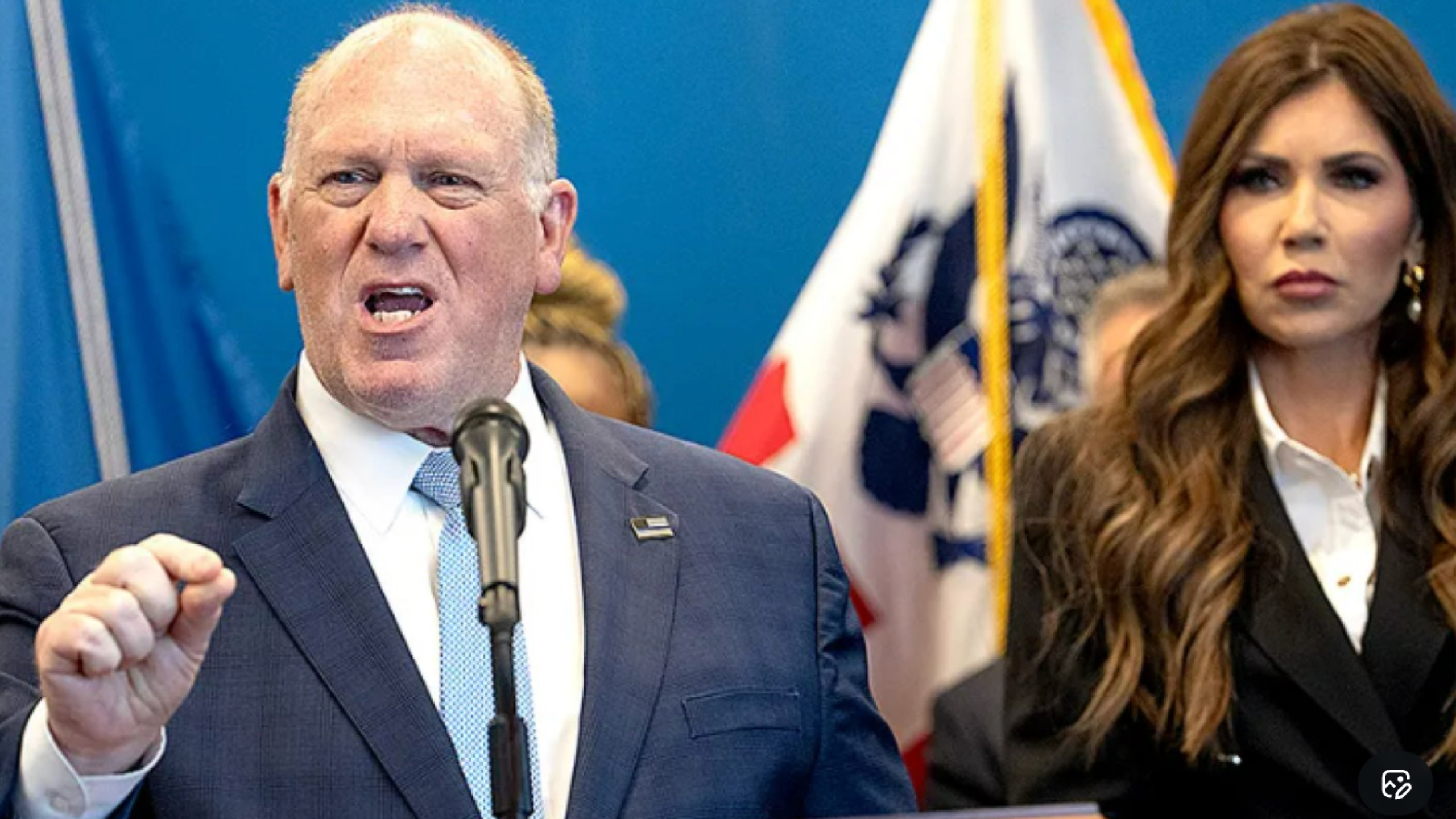
A hardened Trump administration enforcer has landed in Minneapolis and sharply recalibrated federal immigration operations, signalling a strategic shift that leaves Homeland Security Secretary Kristi Noem on the outside looking in.President Donald Trump's chosen 'border czar,' Tom Homan, arrived in Minneapolis with a clear marching order: stabilise a federal immigration enforcement surge that has fuelled public outrage, civil rights litigation, and political upheaval across Minnesota. Homan's first press briefing was notable for what was said and not said, and for the tone of implicit rebuke it conveyed toward the Trump administration's domestic security leadership under Secretary Noem.The backdrop of Homan's mission is grim: two fatal shootings of U.S. citizens at the hands of federal immigration agents in Minneapolis have sparked protests, legal challenges, and bipartisan condemnation. Federal operations known as Operation Metro Surge deployed roughly 3,000 Immigration and Customs Enforcement (ICE) and Customs and Border Protection (CBP) agents to the Twin Cities, prompting legal actions, vocal protests, and widely circulated cellphone video that contradicts initial official claims.In a statement that framed his presence as practical and decisive, Homan told reporters that he was 'staying until the problem's gone,' stressing his focus on substantive action over publicity.Federal Command Shift In MinneapolisHoman's arrival marks a dramatic repositioning of federal leadership in Minneapolis, one that appears to sideline Kristi Noem's role in the crisis response.In announcing Homan's deployment, President Trump bypassed the traditional DHS command structure and placed Homan, who reports directly to the White House, at the helm of Minneapolis operations. Trump characterised Homan as 'tough but fair' and emphasised that he '[knows] and [likes] many of the people there,' signalling confidence in Homan's strategic approach while effectively deflecting scrutiny from Noem and Border Patrol commander Gregory Bovino.The strategic shift became apparent when Homan replaced Bovino's operational leadership and began a series of high-level meetings with Minnesota's political leadership, including Democratic Governor Tim Walz and Minneapolis Mayor Jacob Frey. Walz described his meeting with Homan as professional and noted signs of progress, even as he lambasted Noem's ongoing role and criticised past DHS messaging.During his press briefing on 29 January 2026, Homan made clear that his mission is not about 'photo ops or headlines.' Observers widely interpreted this as an implicit critique of earlier public relations missteps by DHS officials, including Noem, whose comments regarding the fatal shootings had been widely debunked by independent video evidence.
Recalibrating Enforcement And Political FalloutHoman's address emphasised a new tactical approach: federal immigration enforcement in Minnesota will become more 'targeted' and reliant on cooperation with state and local law enforcement, rather than expansive street-level sweeps that had characterised the previous phase.At the press conference, Homan acknowledged that federal immigration operations in Minneapolis had not been perfect and said adjustments were necessary to improve safety and efficiency. His remarks suggested a pivot toward detaining individuals with criminal histories and focusing on collaboration with county jails, a stark contrast to broader ICE tactics previously executed without local consent.Homan also tied any potential reduction in federal forces in Minnesota to continuing cooperation from state and local officials, insisting that access to detainees in county jails would allow ICE to draw down thousands of agents.The political stakes are enormous. Minneapolis and state leaders have demanded independent investigations into the fatal shootings involving federal agents and a swift reduction in the federal presence. Walz emphasised these priorities in discussions with Homan, while local civil rights groups and immigrant advocacy organisations have opposed continued ICE operations without formal oversight.
Human Drama On The GroundThe human toll of the enforcement surge has fuelled intense community emotion and national debate. The deaths of two citizens, including a registered nurse and community member, have intensified scrutiny of federal tactics and created a fractured public narrative over what constitutes legitimate law enforcement action versus potential civil rights violations.Protesters in Minneapolis and across the United States have called for an end to Operation Metro Surge, condemning what they see as a militarised intrusion into a city grappling with its own local safety challenges. Civil liberties groups have also taken legal action, arguing that federal agents have overstepped constitutional boundaries in their enforcement methods.At the same time, federal authorities insist that targeted enforcement is necessary to address alleged criminal activity and threats to public safety. Homan reiterated the administration's stance that federal law must be enforced and that cooperation with local authorities is not voluntary but foundational to operational success.What This Means For Noem And The Trump AgendaHoman's candid acknowledgement of operational flaws and his assertive leadership in Minneapolis reveal a deeper internal realignment within the Trump administration's immigration enforcement strategy. Whether this signals a lasting diminution of Kristi Noem's authority remains an open question, but Homan's prominent visibility on the ground suggests a rebalancing of responsibility toward the border czar's office.In Walz's assessment, Homan's professionalism contrasts sharply with his views on Noem. The Governor's remarks underscored frustration not just with federal tactics but with the leadership oversight that preceded Homan's arrival, and called into question Noem's continued stewardship of homeland security policy.
The outcome of this federal recalibration, in terms of both community trust and future enforcement policy, will shape national political narratives as the 2026 midterms approach and intensify scrutiny of immigration enforcement tactics across the United States.Tom Homan's entry into Minneapolis may have soothed some local tensions, but it also exposed fractures within a federal strategy that now faces heightened legal, political, and communal resistance. Homan has signalled that he is there to stay 'until the problem's gone,' a phrase that leaves both Minneapolis and the broader national dialogue on immigration enforcement hanging in precarious balance.