WD-40 Is Terrible For A Squeaky Engine Belt – Use This Instead
Car maintenance is nothing to skimp on. Whether you tackle oil changes yourself or book your car into the shop every time a light pings on, it's best practice to take maintenance seriously, and jump on repairs as soon as issues make themselves known. However, life doesn't always work like that. Sometimes, you might be down on money or down on time, or you might just be trying to eke the last few weeks out of your $500 college beater. In instances like these, a quick fix that you can implement in a few minutes might be a better solution than actually swapping out parts.
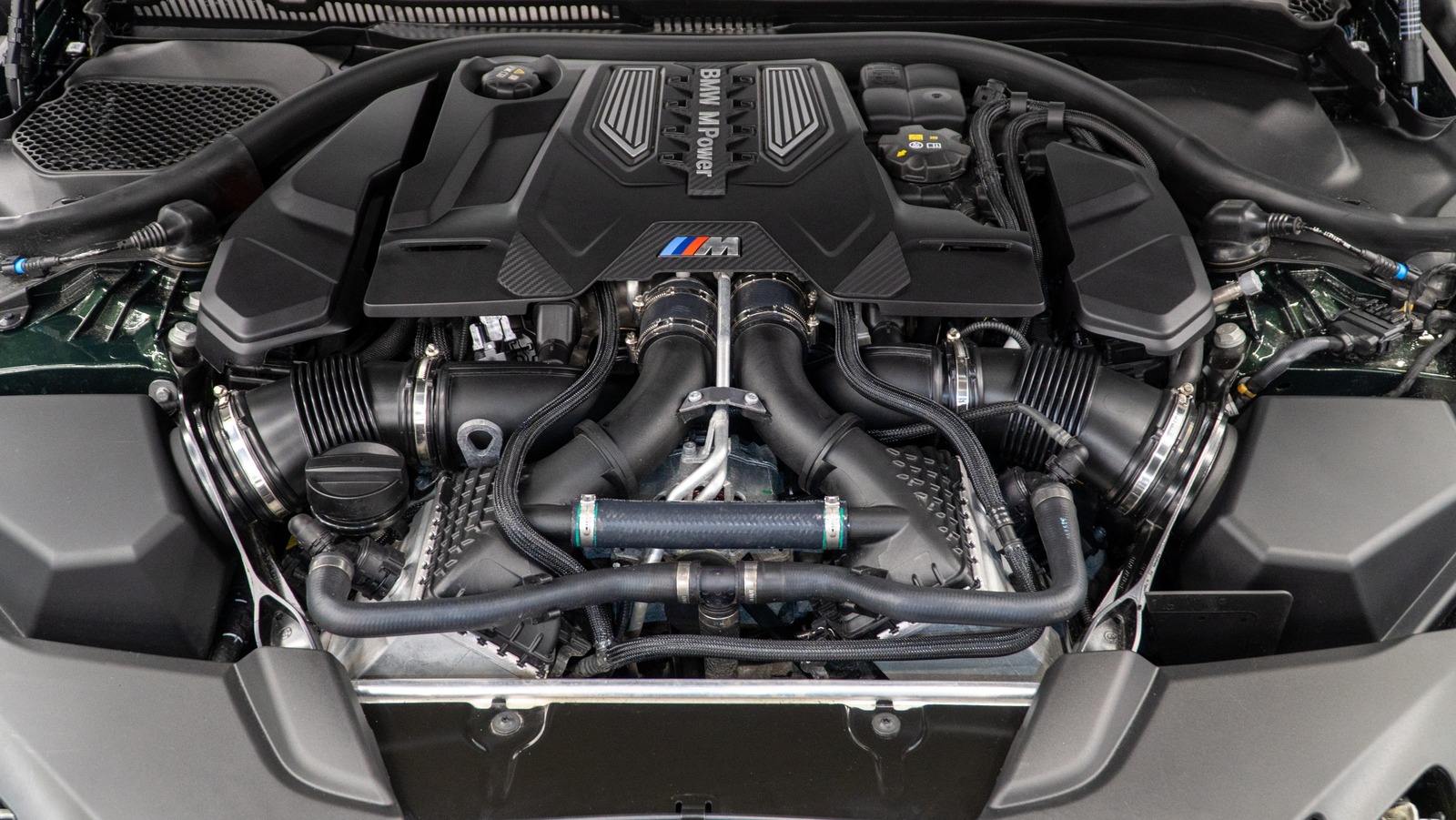
Take a squeaky belt as an example. Auxiliary belts power things like power steering and alternators, so they are incredibly important. They can also be mighty annoying when they start to wear, as they will squeak loudly when idling or starting up. To counter this, there are multiple options. The best step forward is to replace the offending belt for a new item, but for the reasons we've stated above, this might not be suitable all of the time. It will, however, tackle the issue head on and ensure the old belt doesn't fail on your morning commute, leaving you without important functions.
Still, if a quick solution is what you're after, then spraying something onto the belt is the easiest fix. However, you need to make sure you use a proper lubricant spray. While WD-40 is the go-to spray for many uses, this isn't one of them, as it isn't a dedicated lubricant. Instead, WD-40 is a multi-purpose spray with water displacing, anti-corrosion, soil removal, and penetration properties.
Here's what you should use instead of WD-40
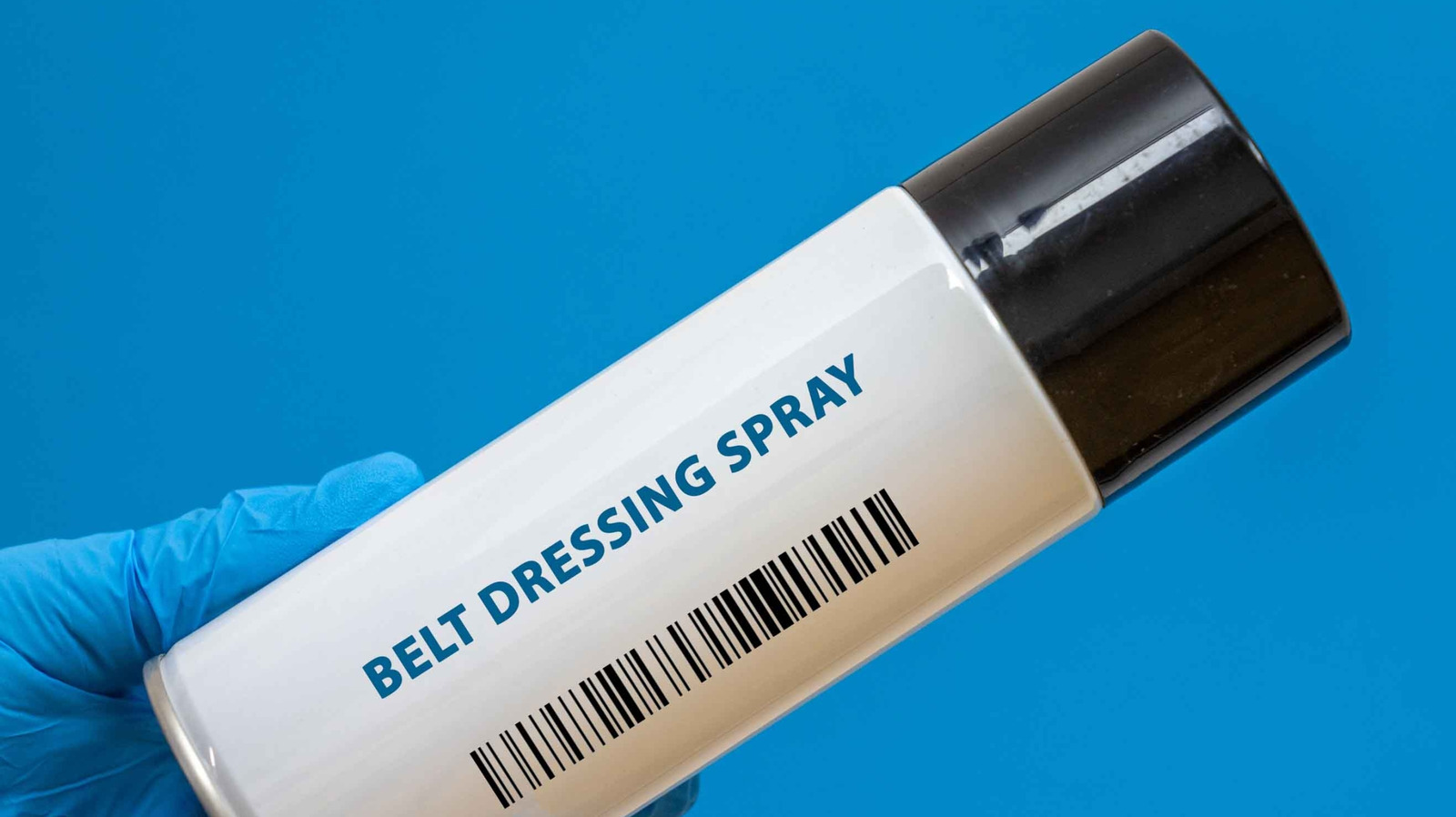
Surprise-surprise, if your belt needs dressing with a spray, a belt-dressing spray is what you need. Belt-dressing sprays work by adding lubrication into the belt, which in turn helps reduce drying out and cracking, extending the belt's lifetime. While you should definitely read the recommended uses for the product you have at hand, keep in mind that many are designed to work on numerous types of belts — plastic, rubber, canvas, or leather. These sprays are super easy to use — provided you can actually access the belt — and they work to reduce belt tension too, meaning the motors they drive experience less stress.
As with most sprays and additives for automotive use, there are tons of different brands and options you can go with. Some will cost less, with prices generally starting around the $5 mark, but for larger canisters from bigger brand names, expect to pay in the region of $15 to $20. Some are marketed as multi-purpose sprays, whereas others claim to be tailored for exactly what you're after, so you'll want to do your research and read a few reviews.
It might not be a whole lot more expensive to actually buy a new belt, which is great if you can install it yourself. But be sure to factor in the cost of any tools you might need to buy, how long the installation will take, and what a professional might charge if you can't tackle it yourself.
Be mindful about using sprays on under-hood belts
Sure, using a belt-dressing spray will most likely quiet that squeaking belt, but it's not the wisest move when you hear it crying out for attention. The first issue is that you're not addressing the issue at hand, you're just masking it — sort of like closing the door on a messy room. You can't see the mess, yet it still exists — just like you can't hear your belt, but it still needs attention.
Secondly, while in days gone by spraying a belt might well have been the correct move, modern engine belts are often manufactured out of EPDM synthetic rubbers and are designed for dry operation under tension — adding lubrication isn't needed here. Instead, the wise move would be to investigate the true source of the noise. Common causes include misaligned pulleys, contamination from fluids such as oil, antifreeze, power-steering fluid, and wear on the belt ribs. The squeal could also be due to a low-quality belt being fitted, so don't rule that out, even if the belt looks to be in fine condition, or was recently replaced. Swapping it out for a manufacturer-supplied part might be a wise first step if that's the case.
So while belt-dressing spray might help quiet your ride in a pinch, it's worth remembering that it's not designed as a permanent fix to your belt-related woes. It's best viewed as a temporary solution to silence those annoying under-hood noises, but you shouldn't ignore the actual issue at hand. Having your car checked sooner rather than later is best when untoward noises start appearing under the hood.