Oakberry turns a healthy profit for Nick Twomey
When Oakberry opened its first Irish branch in Dublin two years ago, there were queues down Anne Street South for the first two weeks of trading, according to managing director Nick Twomey.
Such was the pent-up demand for açai bowls, the highly Instagrammable Brazilian snack dish made with frozen fruit and toppings like granola, peanut butter and chia seeds.
Now açai bowls are sold in almost every coffee shop and café in Dublin, but seven years ago when Twomey was studying Business & Law at TU Dublin they were the preserve of glamorous Los Angeles influencers.
At college in the late 2010s, Twomey would always seek out new food trends and concepts with which he could launch a business.
After graduating, during Covid, he opened a coffee trailer. He had looked into selling açai, but it wasn’t feasible to do from the trailer.
“The more research I did, the more I started to see that the açai berry is quite a premium product; it’s expensive and hard to get.
“A lot of the places that were serving açai bowls were mixing it with almond milk and apples, so they were more like smoothie bowls,” he says.
Twomey first stumbled across Oakberry, the Brazil-founded chain of açai retail stores, on Instagram in 2021.
He was attracted by the control the company had over the sourcing of ingredients, and he was convinced the brand would appeal to younger Irish consumers whose social feeds were full of açai.
“Their whole ethos was about serving 100 per cent açai for the health benefits because the açai berry is full of nutrients; it’s tiny but it packs a punch in terms of antioxidants, vitamins, polyphenols, all that,” Twomey says.
“[For] younger generations now, it’s all about health and fitness and less about drinking and going out. So I suppose I thought it was a winner back then and thankfully it’s something that’s been proven decent so far.”
Oakberry made a profit of €200,000 in 2024, its first full year of operations, and Twomey estimates annual sales of €2-3 million including €1.3m at the Anne Street South branch.
This year to date, sales have increased at least 10 per cent year-on-year each month.
Twomey and his business partners Cian O’Donoghue and Ben Mulligan bought the master franchise for the island of Ireland from Oakberry for a six-figure sum following a competitive pitch in Madrid.
The agreement gives them the right to open and operate all Oakberry stores in Ireland as well as an equal share of any Oakberry-related business here along with Oakberry Global.
“As with a lot of things in business, there was a little bit of luck involved. I think the timing was right, and if we were to go for it today it would be a lot harder to secure,” Twomey says.
The trio invested another six-figure sum between savings and money borrowed from friends and family to set up the company — no outside institutional investment — and brought in former Odeon Cinemas commercial director Alvin Galligan as head of operations for his experience in growing businesses.
Oakberry now has 12 stores in Dublin and Kildare. They include concessions at Dublin Zoo and Mastercard’s Sandyford offices through a partnership with workplace hospitality firm Baxter Storey, while the company plans to open outlets in Temple Bar, Dún Laoghaire and Cork before the end of the year.
All the stores follow the blueprint set by Oakberry Global.
“The training’s fantastic. We went over to Madrid. We got fully trained in how to operate stores, all the operations, then they have fantastic documents covering everything — staffing, training, uniforms, everything,” Twomey says.
“Plug in and play, to a degree.”
By the end of 2026, Twomey aims to have 25 locations open, expanding further into Munster, Connacht and Northern Ireland.
The majority of the Oakberry outlets in Ireland are operated by the co-founders, but there are a couple of franchisees too.
“If you set up a franchise with us, you pay a franchise fee — we get 50 per cent of it and Oakberry global gets 50 per cent — then there’s a royalty charge that we split 50-50 with Oakberry Global, which the franchisee pays,” Twomey explains.
Casting his mind back to opening the first store in September 2023, Twomey remembers a friend in public relations had cautioned them against making any marketing spend, instead advising them to “let the brand do the talking.”
For two weeks, Twomey says, there were long queues for Oakberry (“surreal and incredible”) including many Brazilians seeking “a touch of home”.
Twomey and O’Donoghue, who works in operations with Galligan, were the beneficiaries of the goodwill and pent-up demand that Oakberry had built in Ireland.
The product also serves as its own marketing.
“That was the best advice we ever got, because we didn’t spend a cent on marketing for over a year. We were all organic,” Twomey says of his PR friend’s direction.
“Every time someone tries the product, they take a photo first. Every bowl we [sell], someone’s taking a photo straight away and posting it, and that’s kept growing and growing.”
Oakberry’s açai bowls start from €9 and go up to €17 — a price at which customers in Dublin, where the €10 salad barrier was long ago breached, would not bat an eyelid.
The price is raised by guarantees that the berries are cultivated without child labour and Oakberry’s higher concentration of açai.
The açai berry is 80 per cent seed and has very little pulp, but Twomey claims Oakberry’s bowls are 80 per cent pure açai and mixed with agave syrup to sweeten.
Ultimately, he’s convinced people are happy to pay more for health and that they see it as an investment in themselves.
The option of unlimited toppings helps.
“I think people understand the difference between when they have our product and another product. You can definitely taste the difference in our product,” he says.
“If you go to one of the cafés or somewhere, a lot of the açai tastes like apple or banana, or else it tastes like watery ice because they don’t have a high concentration.
“People believe what Oakberry are doing and can see the way the company’s moving and that we’re the true Brazilian açai brand.
“We cultivate it, we process it, and then we send it to our stores, whereas everyone else is buying it in pulp and has to mix it with other stuff.”
The past decade has seen Dublin diners blaze through trends such as smoothies, doughnuts and burritos, so Oakberry would not be the first buzzy food business to precipitously rise and fall.
Twomey is aware of the potential volatility and trying to build resilience into the business, but he’s very confident of açai’s staying power.
Nor is he worried about competition from local cafés throwing together their own açai bowls.
“One difference that we believe [marks out] our brand in comparison to other trend products is that we’re a health food brand, whereas a lot of the previous trends have been typically unhealthy things.
“We don’t feel that people are just going to decide in a couple of years, ‘I don’t want to be healthy anymore. I want to go back to all the other crap.’
“So we believe that this is growing and growing and growing. We’re at the bottom of the curve right now, and it’s just going to keep going up.
“But obviously, we appreciate that a lot of people have seen things come and go. So I suppose it’s about educating people and giving the people what they want.”
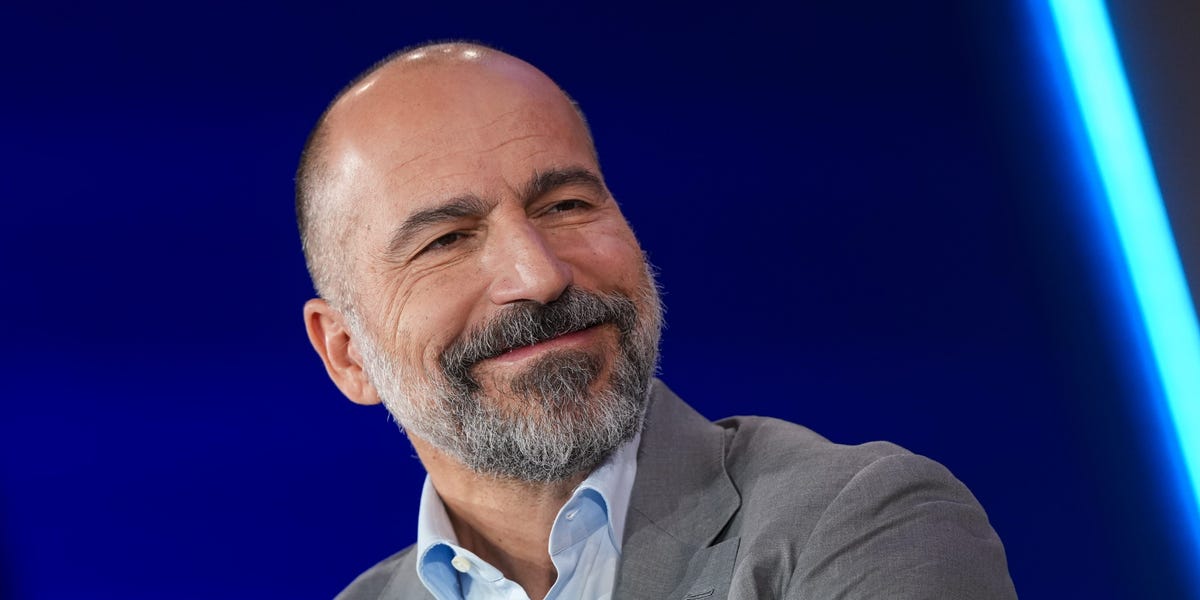
Photo: Nick Twomey from Oakberry, Ireland. Pic Tom Honan



Comments (0)