HSE urgent warning to 'stay at home' if you have these 10 symptoms amid 'super flu' outbreak
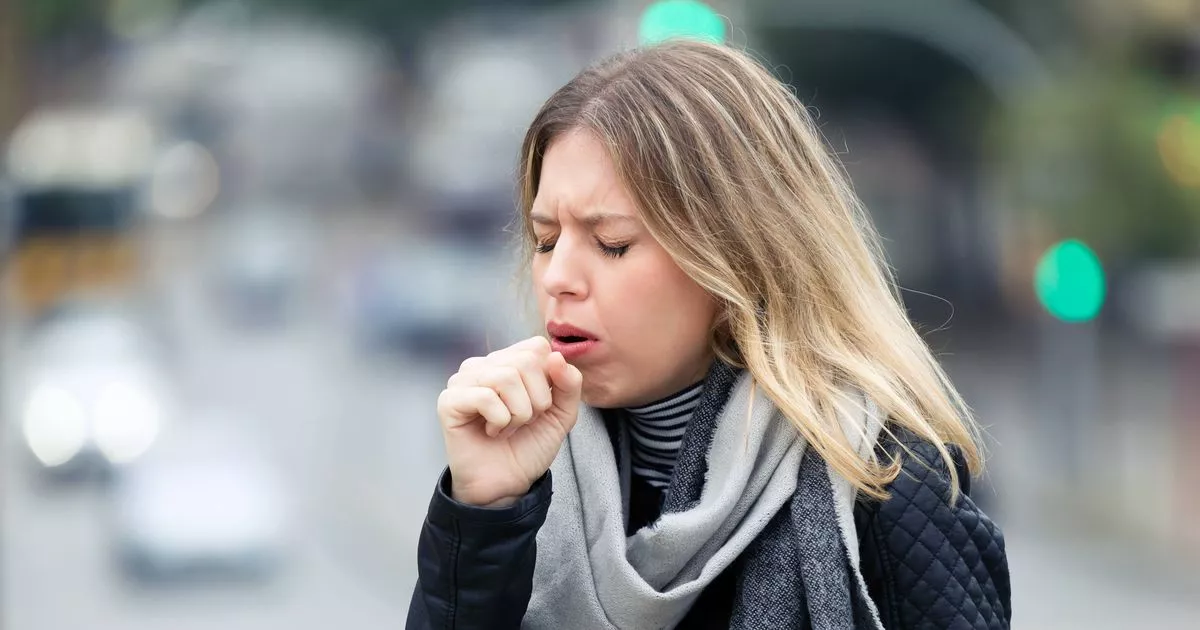
Flu cases and hospitalisations are "rising rapidly" across Ireland, prompting the HSE to issue an urgent warning for anyone showing symptoms to stay at home to prevent spreading the illness.The Health Service Executive reports that flu activity is at "high levels", with both cases and hospitalisations climbing sharply over the past week. Between November 30 and December 6, there were 2,944 flu cases reported, up 49% from the previous week.Emergency Department visits for flu rose 55% to 1,622, while hospitalisations increased from 415 to 657, with the highest numbers among those aged under 15 and over 65.The main flu virus circulating this season is Influenza A(H3N2), which the HSE says can be very serious for older adults, young children and people with underlying health conditions.This strain has been dubbed 'super flu' by some health experts. NHS national medical director Meghana Pandit said: "With record demand for A&E and ambulances and an impending resident doctors' strike, this unprecedented wave of super flu is leaving the NHS facing a worst-case scenario for this time of year."In an new update yesterday, the HSE strongly advised anyone feeling unwell to stay at home.It said: "Stay at home if you are unwell. Your friends, families and colleagues would thank you for doing the right thing. If you have symptoms, please do not visit vulnerable relatives/friends/neighbours and particularly do not visit care homes or hospitals for social visits when ill. If you are unwell and need medications, try to send someone else to collect your medicines from the pharmacy."The HSE has outlined the 10 key flu symptoms to watch for:a sudden high temperature of 38 degrees or aboveaches and painsfeeling tired or exhausteda dry cougha sore throata headachedifficulty sleepingloss of appetitediarrhoea or tummy painfeeling sick and being sickIn children, flu symptoms are similar, however they may also experience ear pain and appear less active than usual.When it comes to facemasks, the HSE added: "There is no general call for public to use masks, but some people may wish to do so in crowded indoor spaces- e.g. on public transport and in busy public spaces (shops, churches/places of worship) especially if they are poorly ventilated. They may be the case especially for people who are vulnerable."If you are ill and need to attend for care you should wear a mask if you can. Hospitals and care settings may require you to use masks when visiting even if you are well - this will be guided by local risk assessment in the setting. When using a mask - use it properly and dispose of in waste bin."The HSE is also reminding the public that there is still time to get a flu vaccine at participating GP clinics, pharmacies and community health centres. The HSE reports that so far this year, 73% of ICU admissions due to flu had not received this season's vaccine.The flu vaccine is strongly recommended and free for several groups, including everyone aged 60 and older, people with underlying medical conditions and healthcare workers, including students in healthcare and social care.All children aged 2 to 17 are eligible, as are pregnant women at any stage of pregnancy. Carers and household contacts of people at higher risk, residents of nursing homes and long-stay facilities and anyone with regular close contact with poultry, waterfowl, or pigs are also advised to receive the vaccine.Subscribe to our newsletter for the latest news from the Irish Mirror direct to your inbox: Sign up here.