Pharmacist warns common medications may be causing your hair to thin
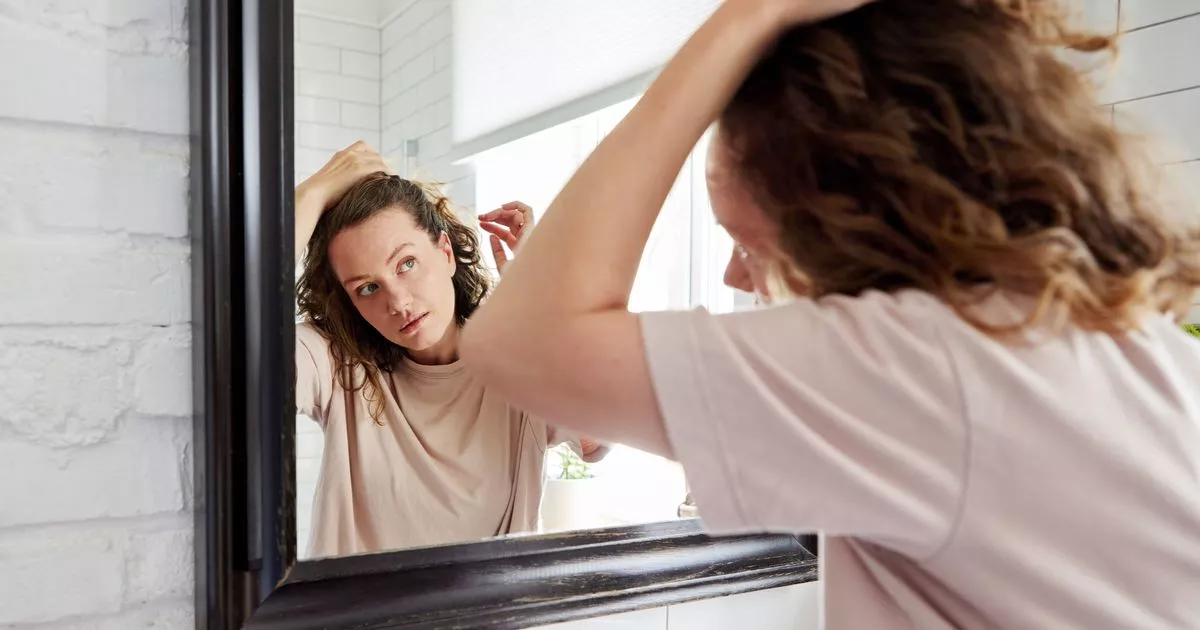
A hair loss expert shares common medications that could be contributing to hair thinning, including antidepressants, contraceptive pills and beta blockersThinning hair is a problem for many(Image: Getty Images)A hair loss specialist has disclosed that numerous widely-used medications may be causing your hair to thin.Recent survey findings show that just 41% of patients receiving medication are made aware of possible side effects from their prescription, whilst nearly a third (29%) say they're not informed whatsoever.A lack of awareness regarding medication side effects can result in health issues, including hair loss and thinning, which has been connected to various frequently prescribed medicines.Jason Murphy, hair loss specialist at Chemist4U, explains: "Most medications that have a side effect of hair loss do so because they interrupt the natural growth cycle of your hair."Hair grows in phases – active growth, rest, and shedding – and some medicines can push more hairs than usual into the shedding phase at once. This type of loss, called 'telogen effluvium', usually appears a few months after starting treatment.", reports RSVP Live.He continued: "Other drugs can affect hormone balance, nutrient absorption, or blood flow to your scalp, which can all impact how well your hair grows. The good news is that this type of hair loss is usually temporary; once your body adjusts to the medication, or the medication is stopped, hair typically regrows."Thinning hair is a problem for many(Image: Getty Images)To assist patients in understanding this frequently overlooked side effect, he identified which medications are most commonly linked to hair loss, the reasons behind it, and practical measures patients can implement to manage or prevent it. He also recommends consulting your GP before starting any medication, or speaking with the pharmacist about possible side effects, noting that alternative options may be available if required."If you're worried that certain medications may be causing hair loss, speak to your GP or pharmacist before making any changes; they will be able to check if your medication could be contributing and prescribe alternatives."He continued: "If the medication is the likely cause, switching to a different option often helps, but it can take some time. Once the medication has finished, you'll usually start to see improvement within three to six months, as your hair growth cycle rests."Acne treatmentsCertain acne medications, particularly those containing high levels of Vitamin A derivatives, may trigger hair loss by interfering with the hair growth cycle or influencing hormones. For instance, elevated doses of oral retinoids like Isotretinoin can force hair follicles into a resting phase, resulting in temporary shedding.Several topical treatments, including those with Retinol, Benzoyl Peroxide and Salicylic Acid, may cause scalp irritation that leads to hair loss.Given that acne ranks among the UK's most prevalent skin conditions, accounting for 3.5 million primary care appointments annually, it's essential to raise any hair loss worries with a GP or dermatologist before beginning or modifying treatment, ensuring the most suitable approach for both skin and hair wellbeing.Beta blockersBeta-blockers can lead to hair loss by interfering with the hair growth cycle, pushing more follicles into the resting phase prematurely. This results in noticeable shedding after a few months.However, this is typically temporary and can be reversed once the medication is stopped or the dosage is adjusted. The hormonal effects of beta-blockers can reduce blood flow to the follicles and directly impact the hair follicle itself, contributing to hair loss.Hair loss and thinning is increasing among women(Image: Getty)ACE inhibitorsOccasionally, ACE inhibitors can cause hair loss by affecting blood flow and disrupting the hair growth cycle. By relaxing blood vessels to lower blood pressure, they may decrease the blood supply to hair follicles, limiting oxygen and nutrients, leading to shedding.This typically results in a condition known as telogen effluvium.AntidepressantsCertain antidepressants can result in hair thinning by interfering with the hair's natural three-phase growth cycle (anagen, catagen, and telogen), causing a larger number of hairs to shed prematurely and altering hormone levels that support follicle health. Hair loss may become apparent a few months after starting or adjusting the medication.While usually temporary, it can be influenced by changes in stress levels, nutrient absorption, or blood flow to the scalp.The contraceptive pillContraceptive pills can lead to hair loss by modifying hormone levels, particularly through synthetic progestins that mimic androgens. These hormonal shifts can put stress on hair follicles and speed up the hair growth cycle, resulting in more hairs shedding prematurely.With the contraceptive pill being the most favoured method among Sexual and Reproductive Health service users in the UK, it's been disclosed that nearly a third (28%) of those using contraception opt for the pill as their preferred method, and could potentially experience these side effects.Hormone Replacement TherapyHormone replacement therapy (HRT) can result in hair thinning due to the types of hormones used, such as synthetic progestins or testosterone, which may encourage androgenic effects (the influence of male hormones on the body). Fluctuating or imbalanced hormone levels from starting or adjusting HRT can also disrupt the hair growth cycle, causing more hairs to shed prematurely.The impact varies depending on the specific HRT formulation and an individual's genetic predisposition, with some hormones, like oestrogen, generally protective, while androgens or testosterone related DHT can accelerate thinning.ChemotherapyChemotherapy drugs are the most recognised cause, as they target and damage fast-growing cells, including those in your hair follicles. In most instances, hair loss from medication is temporary and tends to reverse once treatment ceases or your dose is adjusted.How to manage or prevent this side effect:Treating your hair gently can make a significant difference, so it's crucial to minimise heat styling, avoid tight hairstyles, and steer clear of chemical treatments whilst your hair is in recovery. Opting for gentle, sulphate-free nourishing shampoos and maintaining a clean, hydrated scalp encourages new growth.It's worth noting that whilst excessive washing can deplete the scalp of its natural oils, washing too rarely can result in build-up that may obstruct hair follicles, heighten inflammation, and lead to increased shedding. Whilst dry shampoo offers convenience between washes, excessive use may cause product build-up on the scalp, so aim to cleanse your hair every three days to strike a healthy balance.Jason also recommends making sure your diet delivers all the essential nutrients your body requires to nourish your hair."A balanced diet rich in iron, protein, zinc, and Vitamin D is key, as these nutrients help keep your hair follicles healthy and encourage regrowth. If blood tests show a deficiency, supplements can help. However, supplements aren't always necessary, and taking high doses 'just in case' can sometimes make things worse", he explains."Lifestyle factors like good sleep, hydration, and managing stress all help your body bounce back faster. In most cases, hair regrowth happens naturally once the underlying cause or medication side effect settles."The underlying health conditions that are more likely to cause hair loss "Thyroid disorders are one of the most common causes. Both overactive and underactive thyroid can disrupt the hair growth cycle and cause diffuse thinning across your scalp. Low iron or vitamin D levels can also lead to shedding, as your hair needs both to grow and repair properly."Autoimmune conditions like alopecia areata, where your immune system mistakenly attacks hair follicles, can cause small, round bald patches, while hormonal changes linked to polycystic ovary syndrome (PCOS) or menopause can also trigger thinning. It typically affects 85% and 40% of women by the age of 50. In each case, treating the underlying condition usually helps hair growth recover, so it's always worth checking in with your GP or pharmacist if you notice persistent or unexplained hair loss."Join our Dublin Live breaking news service on WhatsApp. Click this link to receive your daily dose of Dublin Live content.We also treat our community members to special offers, promotions, and adverts from us and our partners. If you don’t like our community, you can check out any time you like. If you’re curious, you can read our Privacy Notice.For all the latest news from Dublin and surrounding areas visit our homepage.