
Remember me







Could a ticket to the National Day Parade Preview double as a field trip with the Leica SL3-P? That was the assignment when Leica offered me the opportunity to take its recently-launched professional full-frame camera into the National Stadium, pair it with the Vario-Elmarit-SL 24–90mm f/2.8-4 ASPH lens and see what I could bring home from one of Singapore’s largest annual celebrations.
National Stadium 2026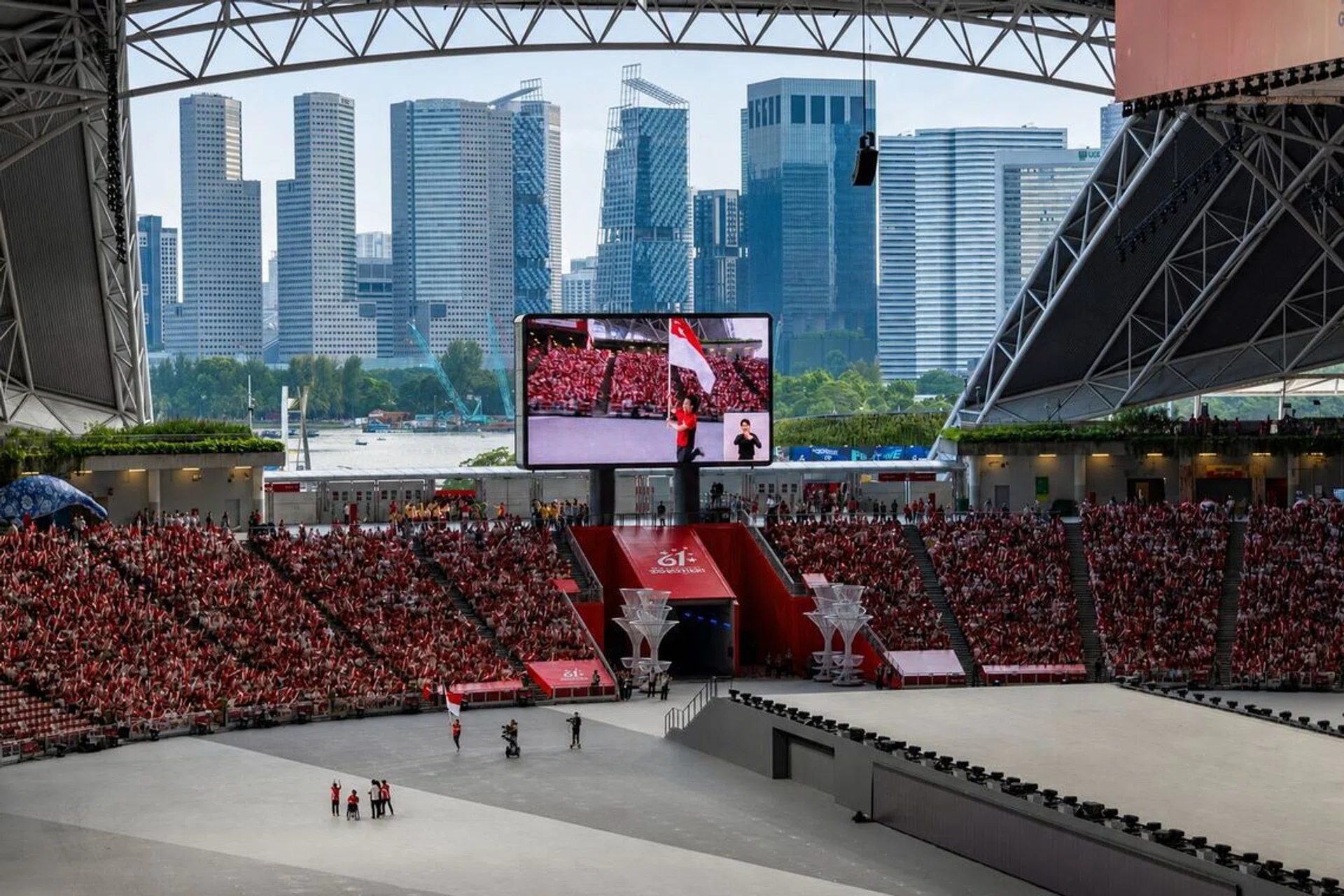
Photo: HWZ
It sounded like a great opportunity to get a personal feel for the camera. This year’s NDP is being held at the National Stadium for the first time since 2016, with The Float @ Marina Bay having been demolished and currently being redeveloped into NS Square. The covered venue comes with some compromises, however. Familiar crowd favourites such as the Mobile Column, Red Lions parachute jump and conventional aerial display are absent because of safety and operational considerations. The State Flag Flypast and Presidential Gun Salute are still taking place around Kallang Basin, although it’s impossible to get a good look at them in the covered stadium. The loss of the other segments also arguably makes this year’s NDP a little less fun to photograph.
Introducing the Leica SL3-P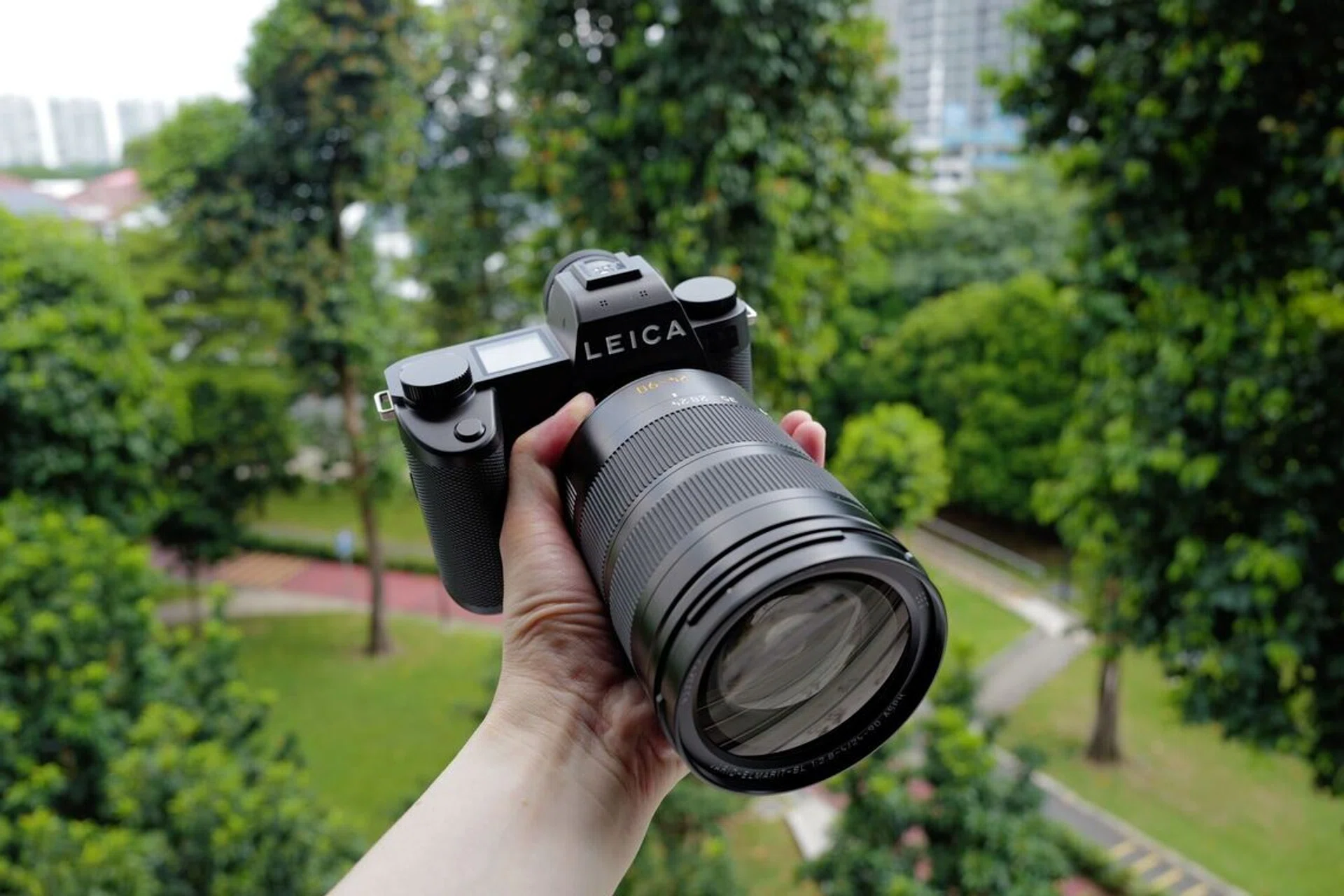
Photo: HWZ
The SL3-P is more than just an SL3 with another letter slapped onto its name. While the vanilla SL3 is built around a 60-megapixel sensor and places greater emphasis on outright resolution, the SL3-P uses a 44.9-megapixel full-frame sensor and is more geared towards speed. It can shoot at up to 40 frames per second with continuous autofocus, compared with 5fps with continuous autofocus on the SL3, and has 819 phase-detection autofocus points instead of 315.
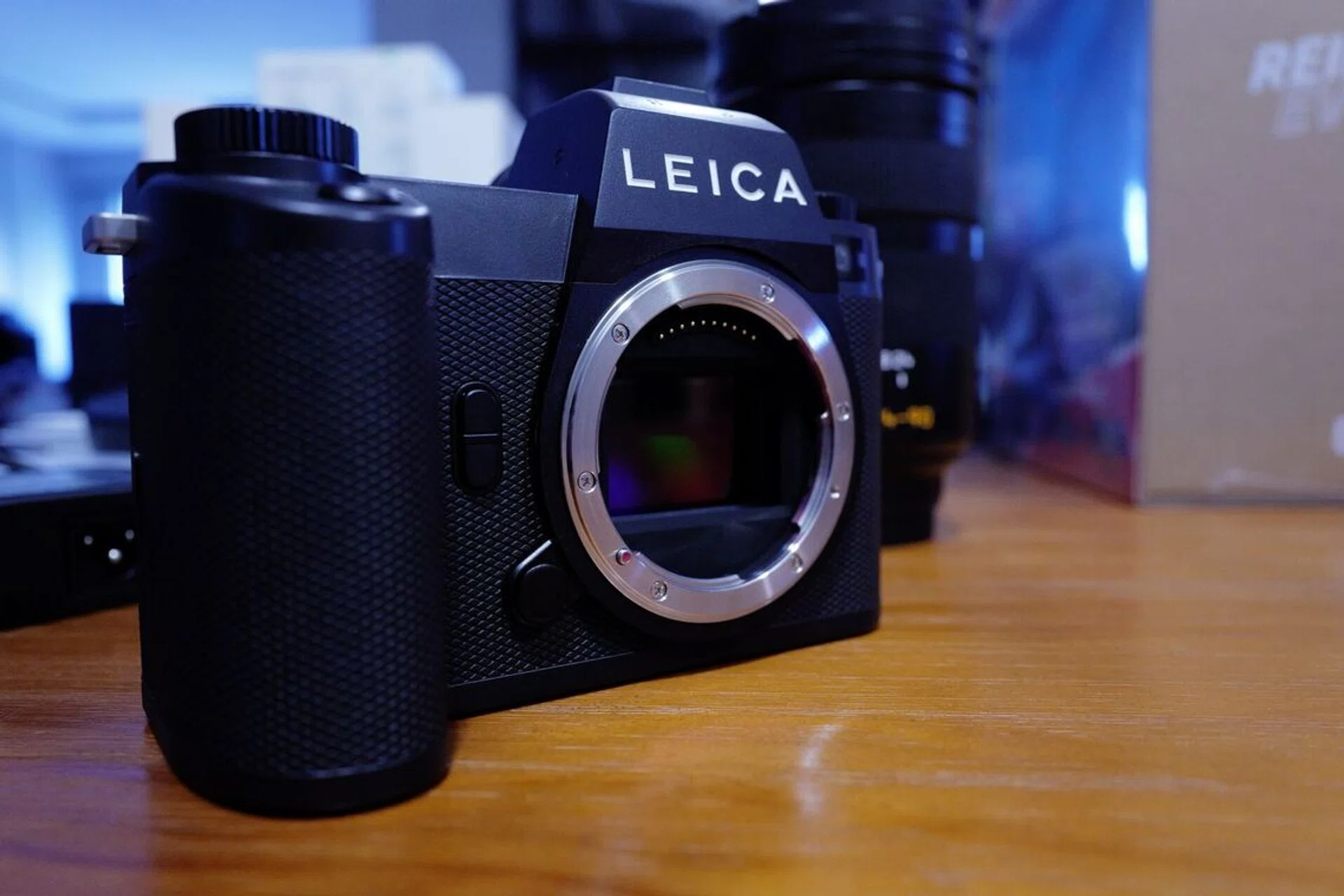
Photo: HWZ
You do give up some resolution, but 44.9 megapixels is hardly lacking in my opinion. In return, the SL3-P has a larger 8GB buffer, faster shooting and improved subject tracking, making it better suited to events, sports and other situations involving unpredictable movement (think Formula 1 and other sporting events). Its sensor can also record 8K open-gate video, although my time with the camera at the NDP Preview was spent almost entirely on still photography.
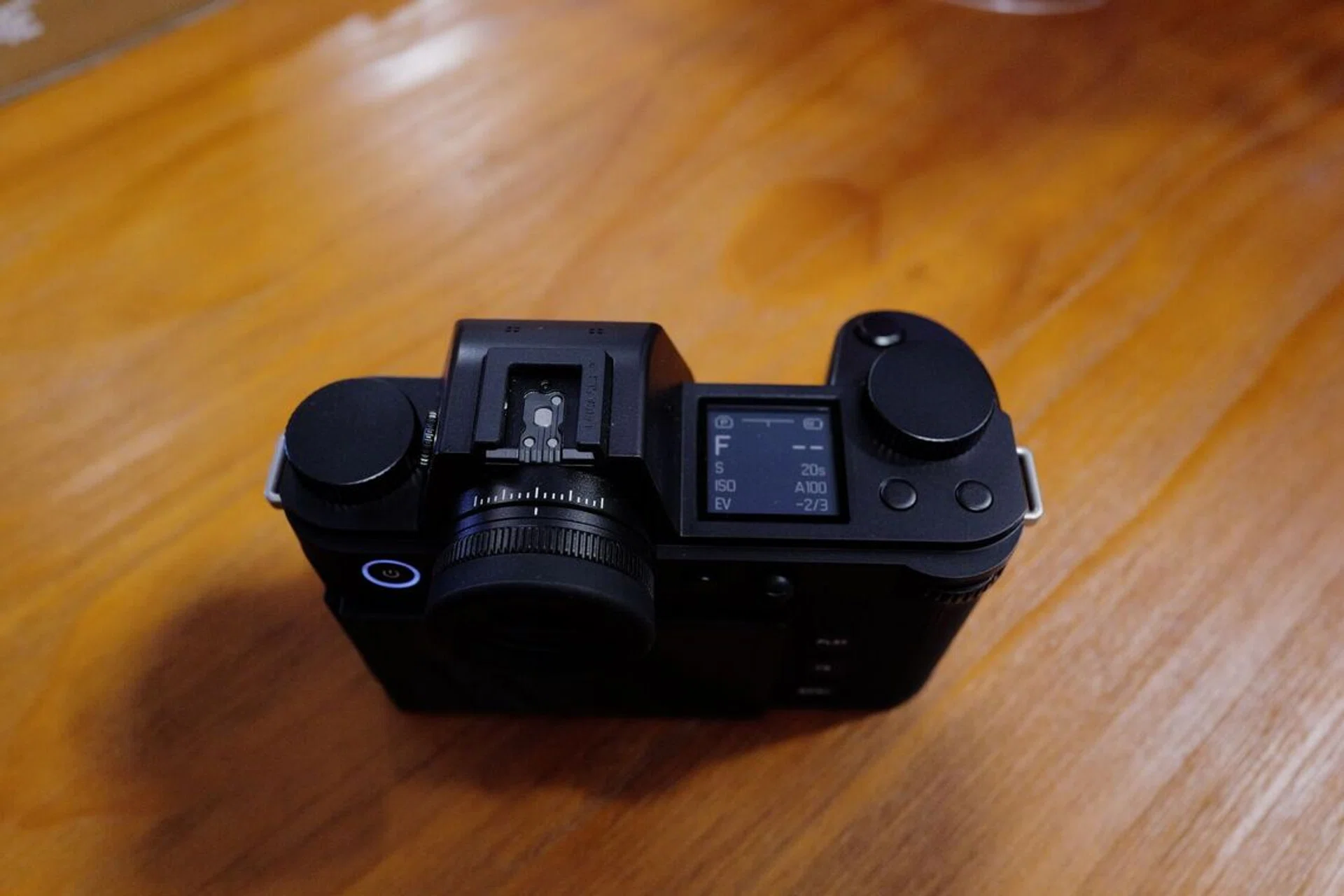
Photo: HWZ
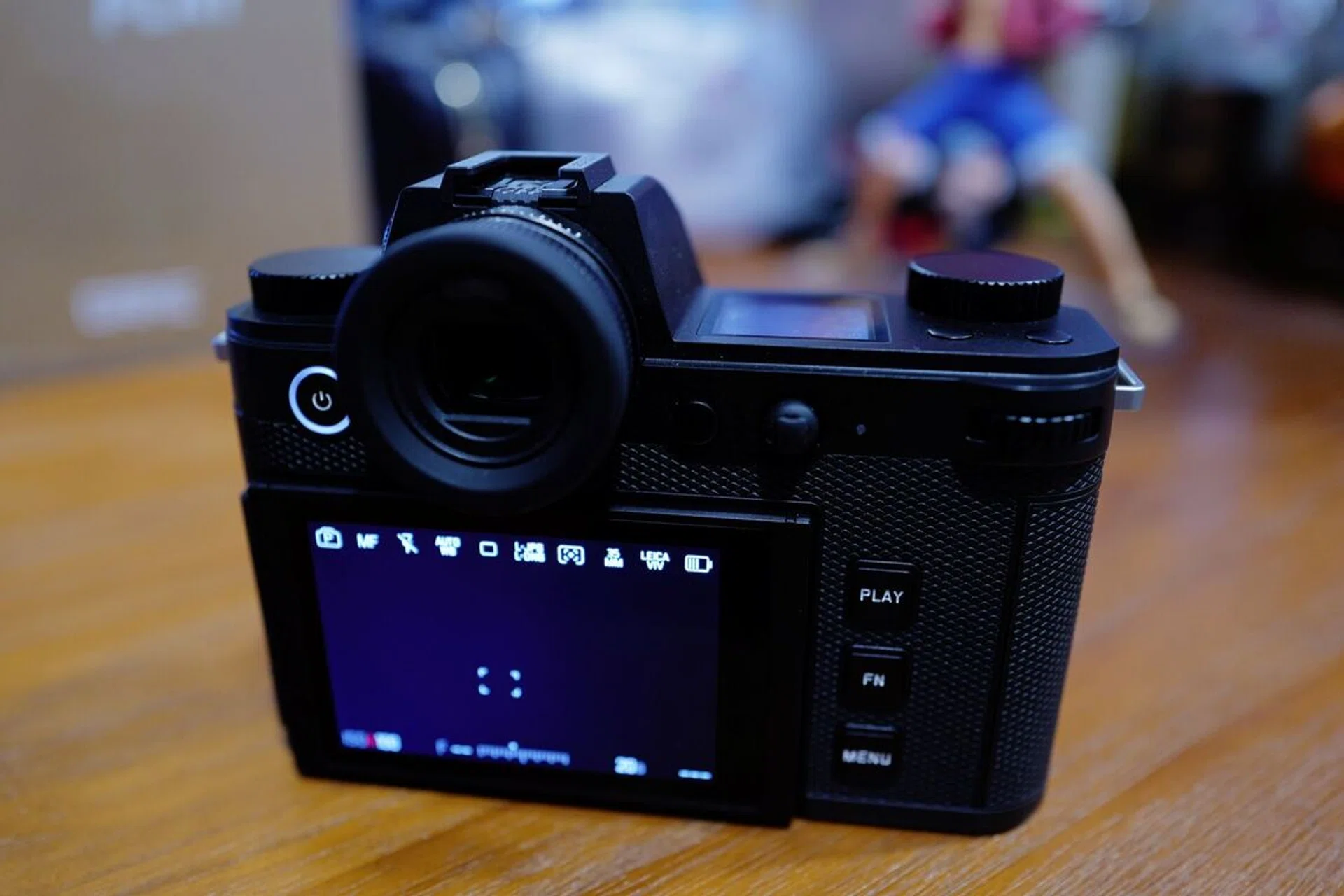
Photo: HWZ
What I liked more was how approachable the SL3-P felt. Professional cameras often arrive with an intimidating collection of buttons, dials and deeply nested menus, but the Leica was relatively easy to pick up and use. Its controls are sensibly placed, the top display provides an immediate view of the important settings and the touchscreen interface is clean without hiding everything behind several layers. Even if you are unfamiliar with Leica cameras, it does not take long to find your way around. For existing Leica camera owners, the SL3-P will feel right at home.
The camera is certainly heavy. Its all-metal body weighs about 768g before adding a battery or a CF memory card, while the 24–90mm lens adds another 1.14kg. The complete combination therefore comes close to 2kg. It’s certainly not a standard kit you’ll bring along for a holiday.
Shooting at the NDP Preview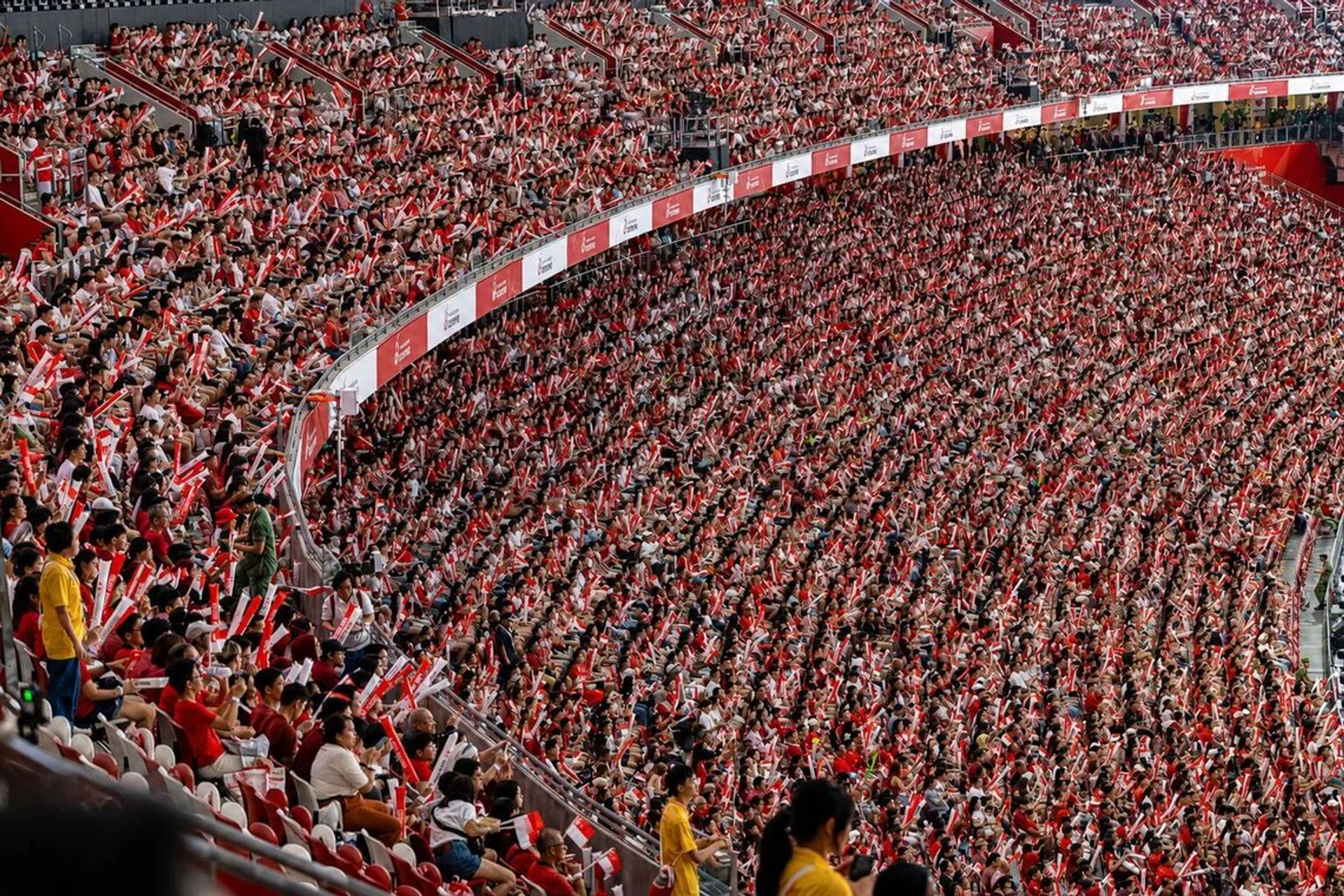
Photo: HWZ
I’m glad I picked the Leica Vario-Elmarit-SL 24–90mm here. At 24mm, it was wide enough to show the scale of the National Stadium, including the roof, stands, performance area and even a bit of the Singapore skyline. At 90mm, I could zoom in on smaller groups and individual spectators without having to change lenses in a cramped seating area.
Unfortunately, the camera and lens could not solve the first problem I encountered: my allocated zone. I was seated on the side that largely saw the backs of the marching contingents. Many formations had naturally been arranged to face the central presentation area or the opposite stands, so rows of uniforms frequently marched away from me. This would not have been the case at the old venue as the stands are in one row, rather than a loop like the stadium.
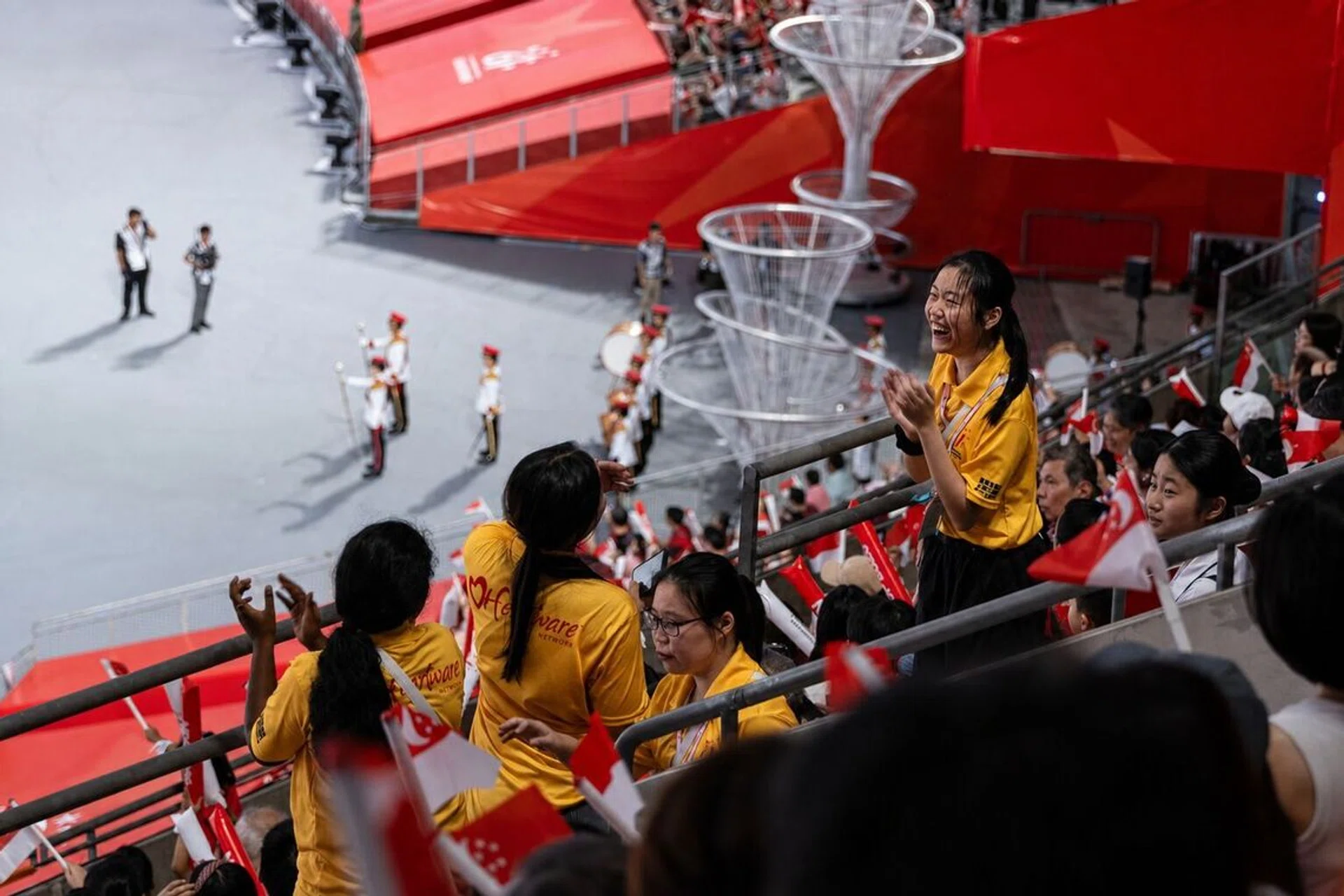
Photo: HWZ
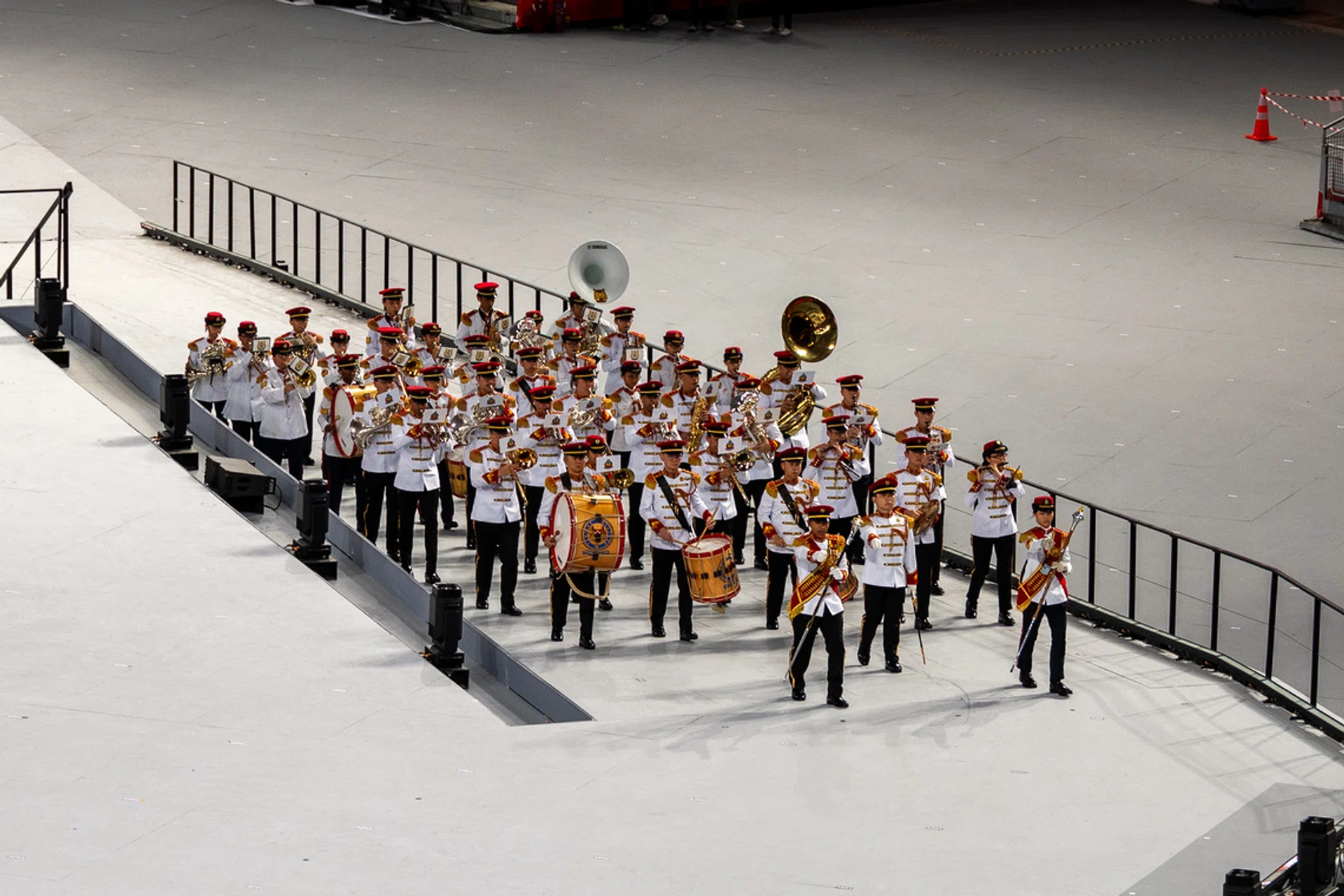
Photo: HWZ
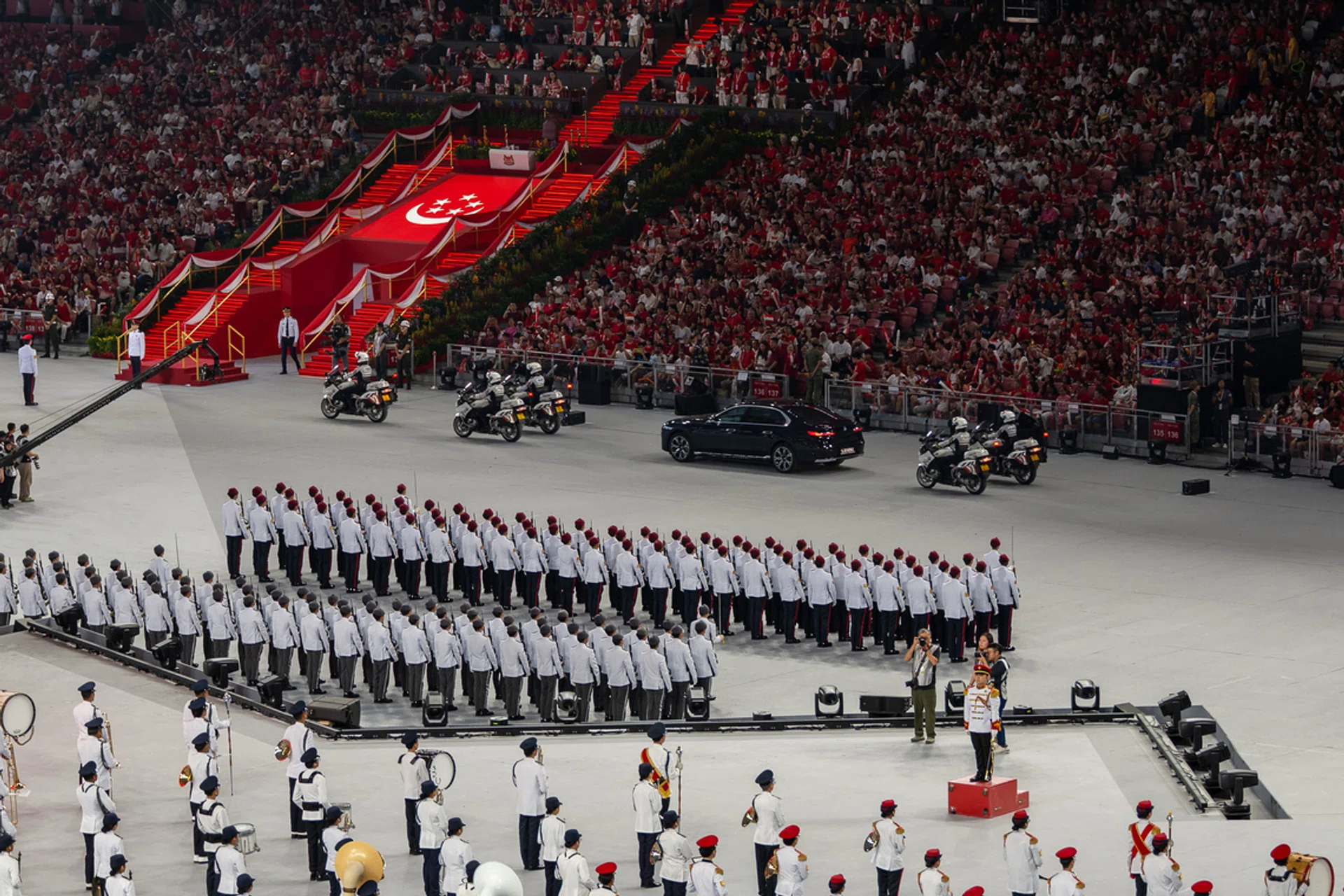
Photo: HWZ
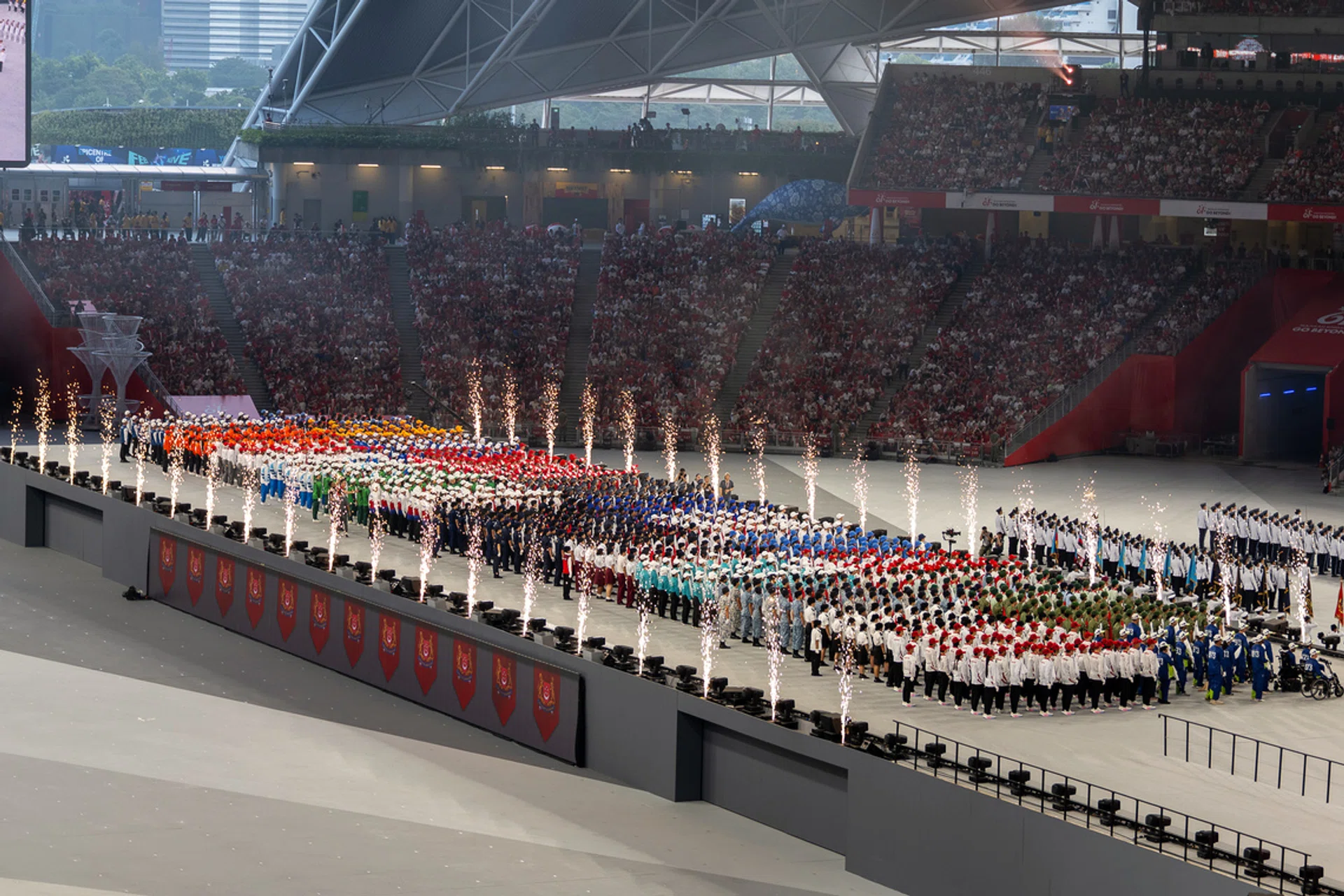
Photo: HWZ
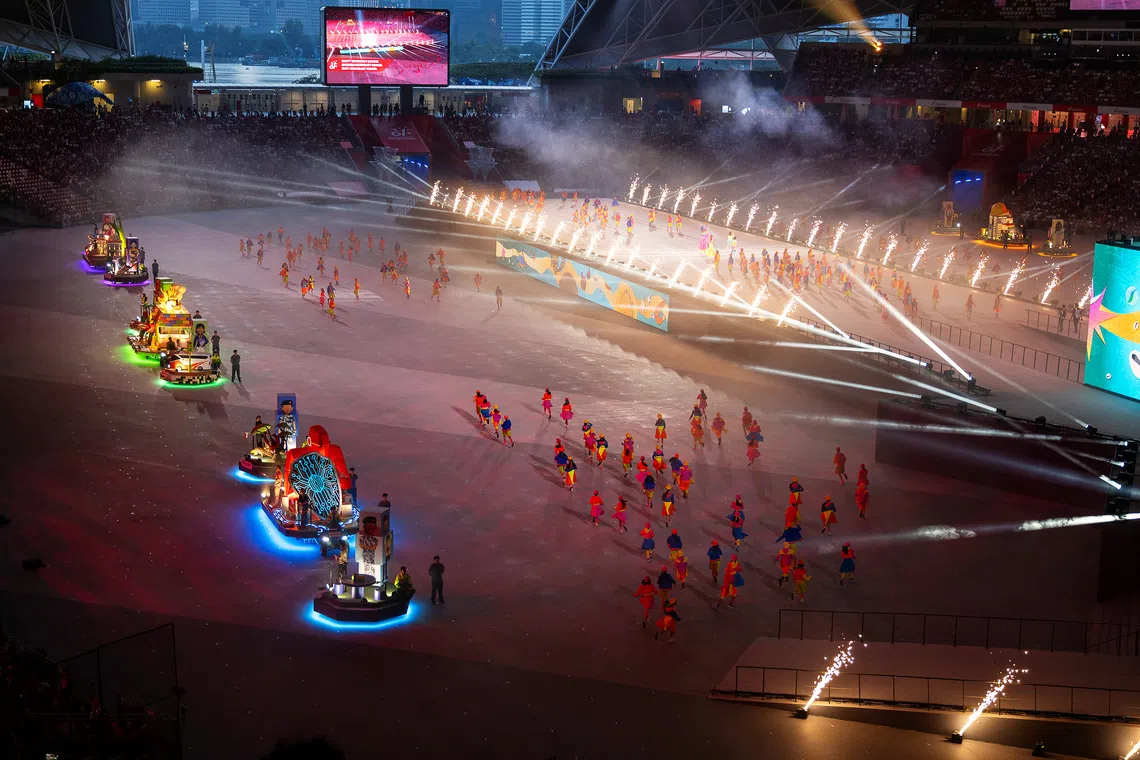
The other problem is simply the sheer size of the stadium. It is a vast space, and some performances looked surprisingly sparse when they moved away from the centre stage. Large areas of grey flooring surrounded relatively small groups of performers, making it difficult to produce the dense, dramatic compositions commonly associated with NDP.
Sometimes that empty space became part of the picture. Long lines of participants winding around the arena created strong patterns when placed beside the packed stands. At other times, I relied on the SL3-P’s 44.9-megapixel resolution to crop more tightly. The 90mm end of the lens was useful, but it was still too short for some of the action taking place on the far side of the stadium.
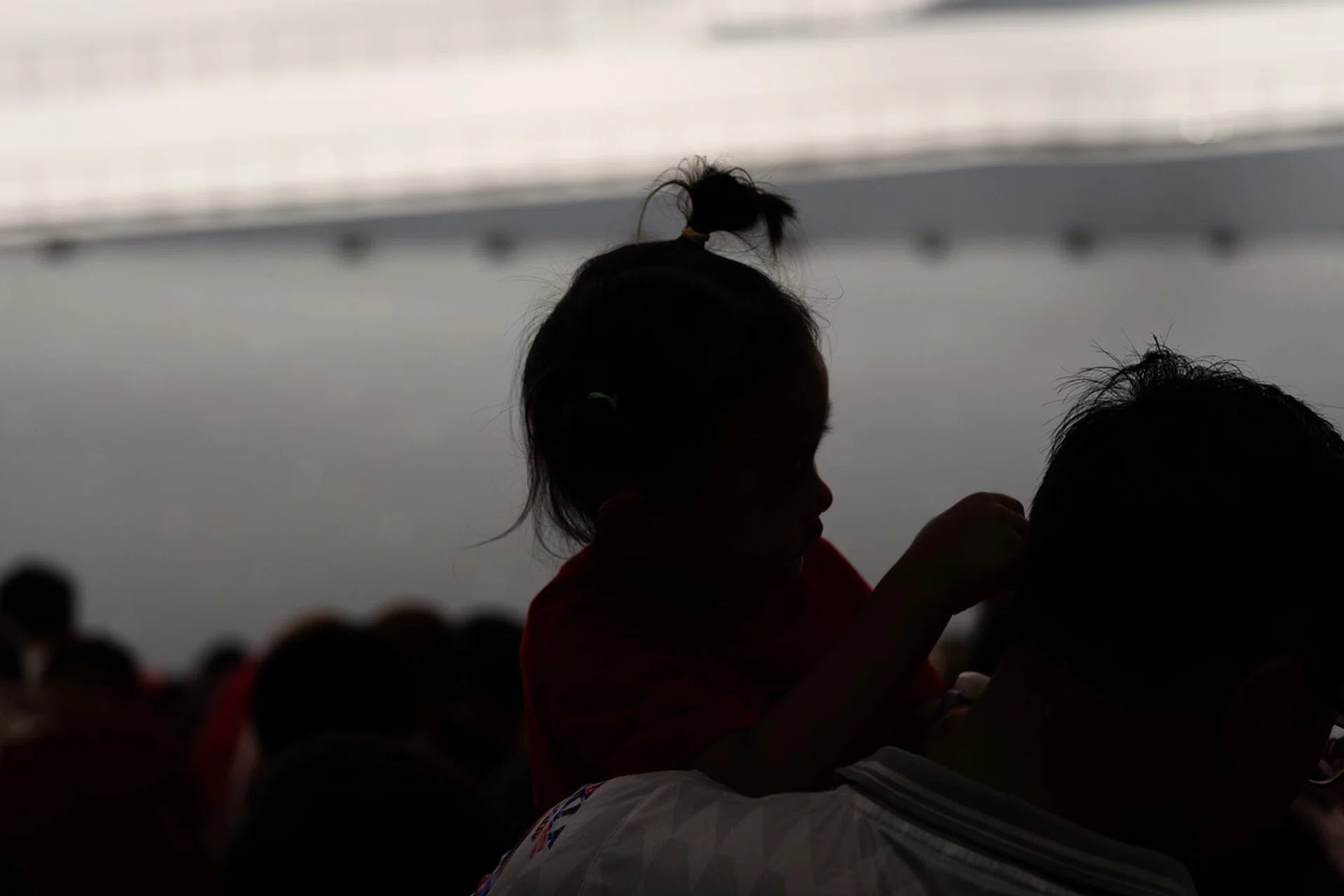
Photo: HWZ
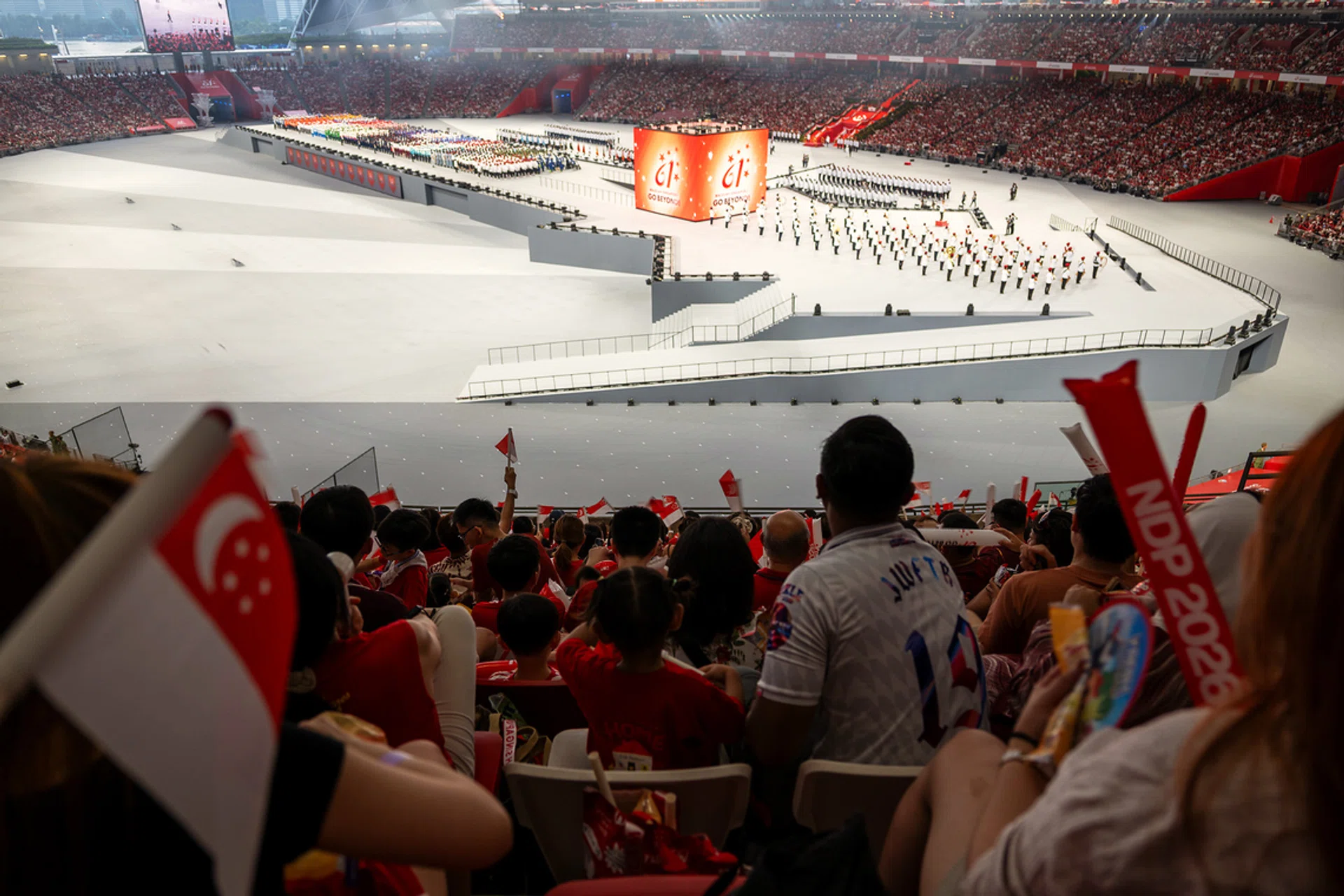
Photo: HWZ
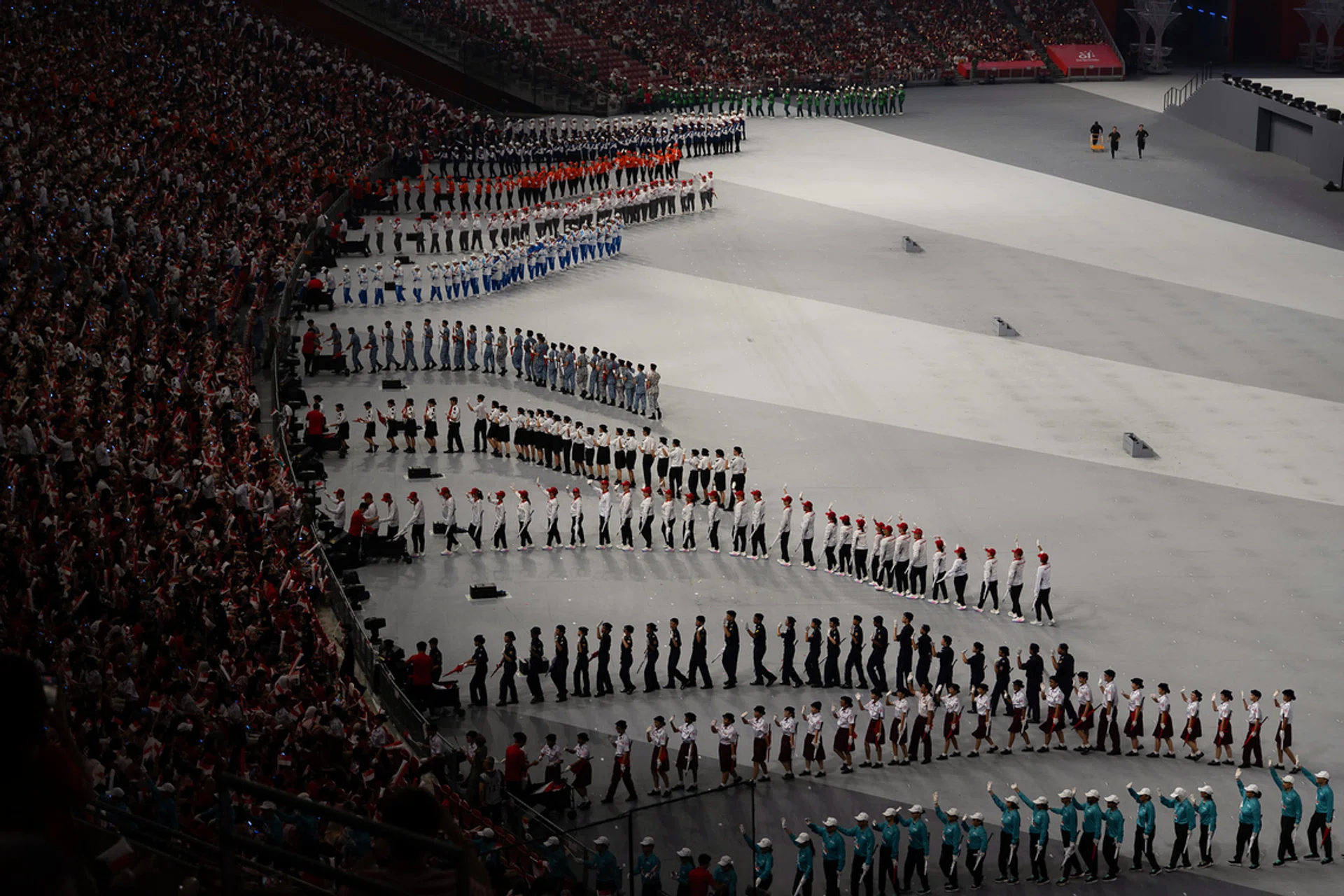
Photo: HWZ
Some of the photographs I preferred came when I turned away from the arena. Friends posing with flags and families watching together gave the feature a more personal side that the wide stadium views lacked. These were also the moments when the 24–90mm lens felt most natural, allowing me to move from an environmental view to a tighter portrait without attracting too much attention.
The stadium then became more visually interesting after nightfall. Screens, spotlights, indoor drones and pyrotechnics filled the areas that had looked empty during the afternoon, while the suspended cubes and aerial performers drew the crowd’s attention. But once again, it’s hard to see these performers when they are so far away.
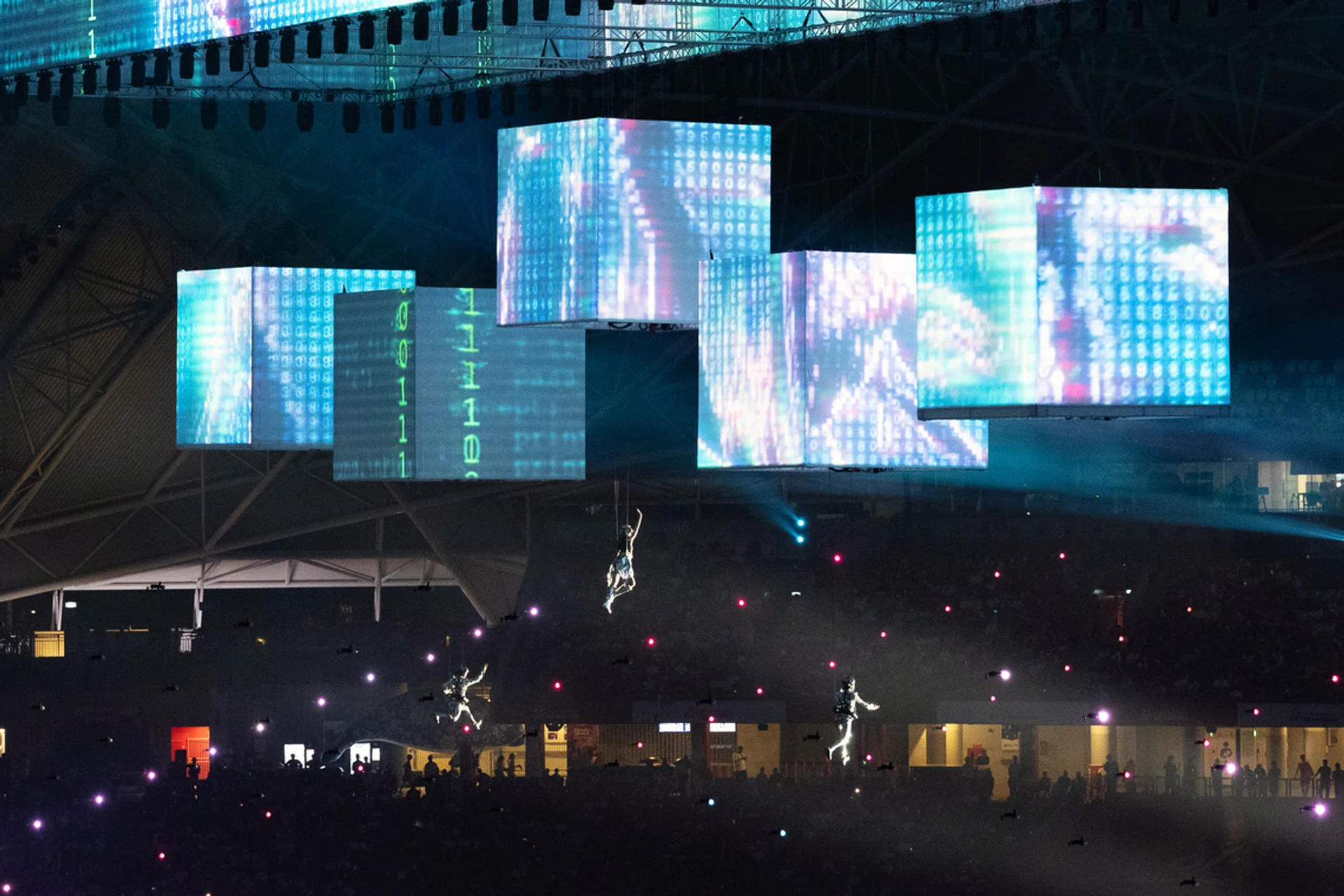
Photo: HWZ
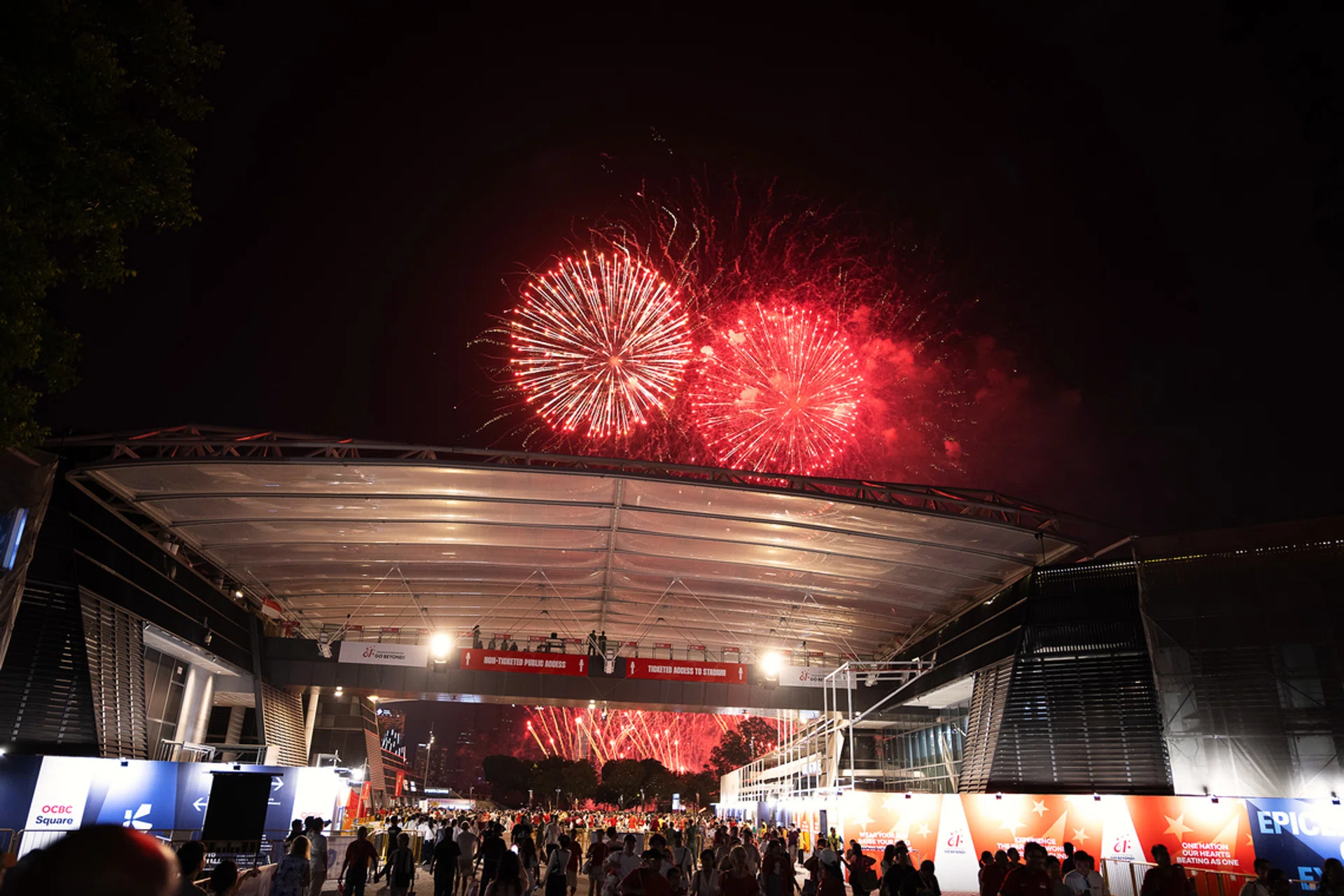
Photo: HWZ
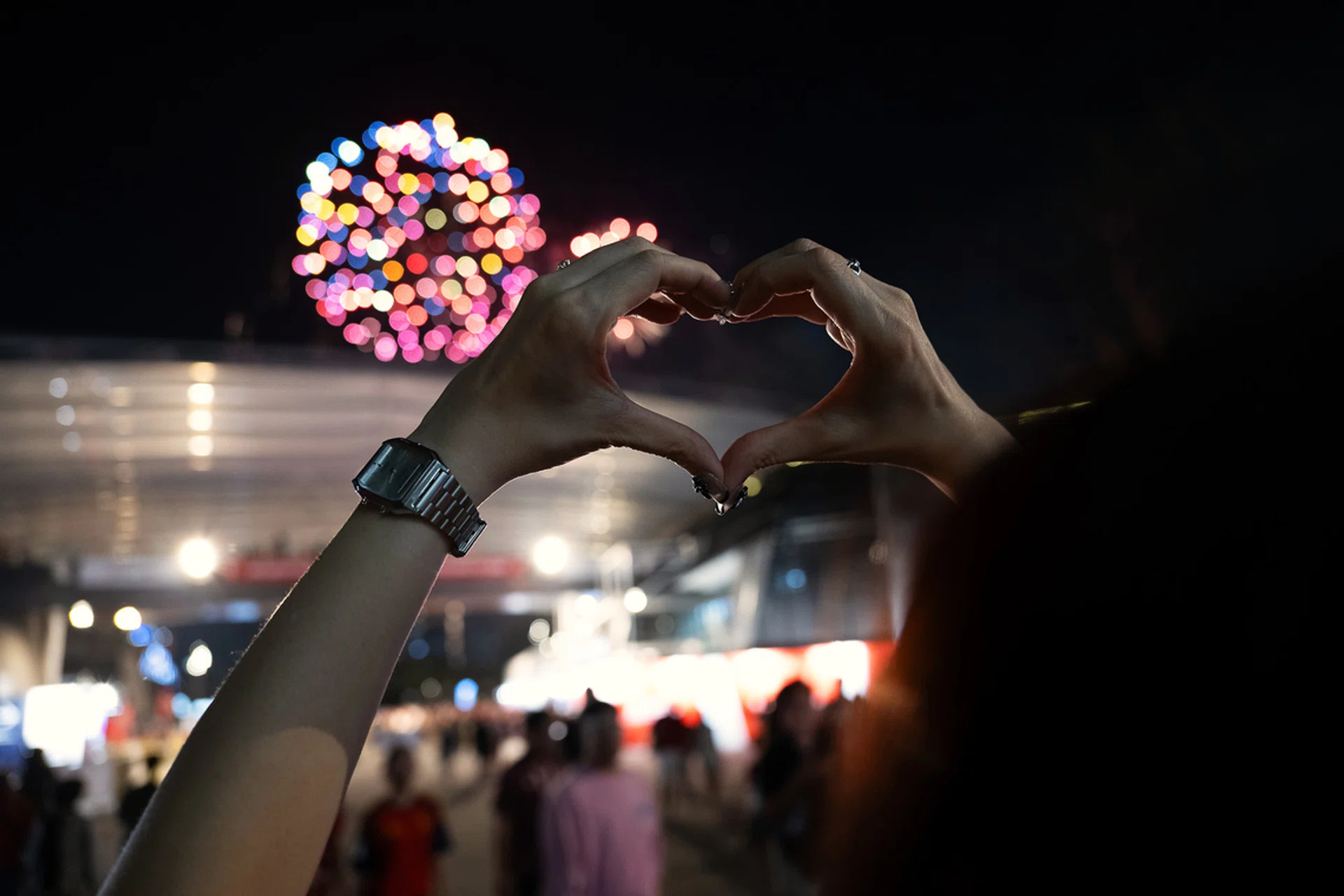
Photo: HWZ
My experience at the NDP Preview therefore became as much about working around the venue as trying the Leica SL3-P camera. Paired with the 24–90mm lens, it was not the lightest combination to bring to a parade, nor did I have the ideal view of the marching contingents. But it gave me enough flexibility to stop chasing the pictures I had expected to take and start working with the ones available from the seat I actually had.