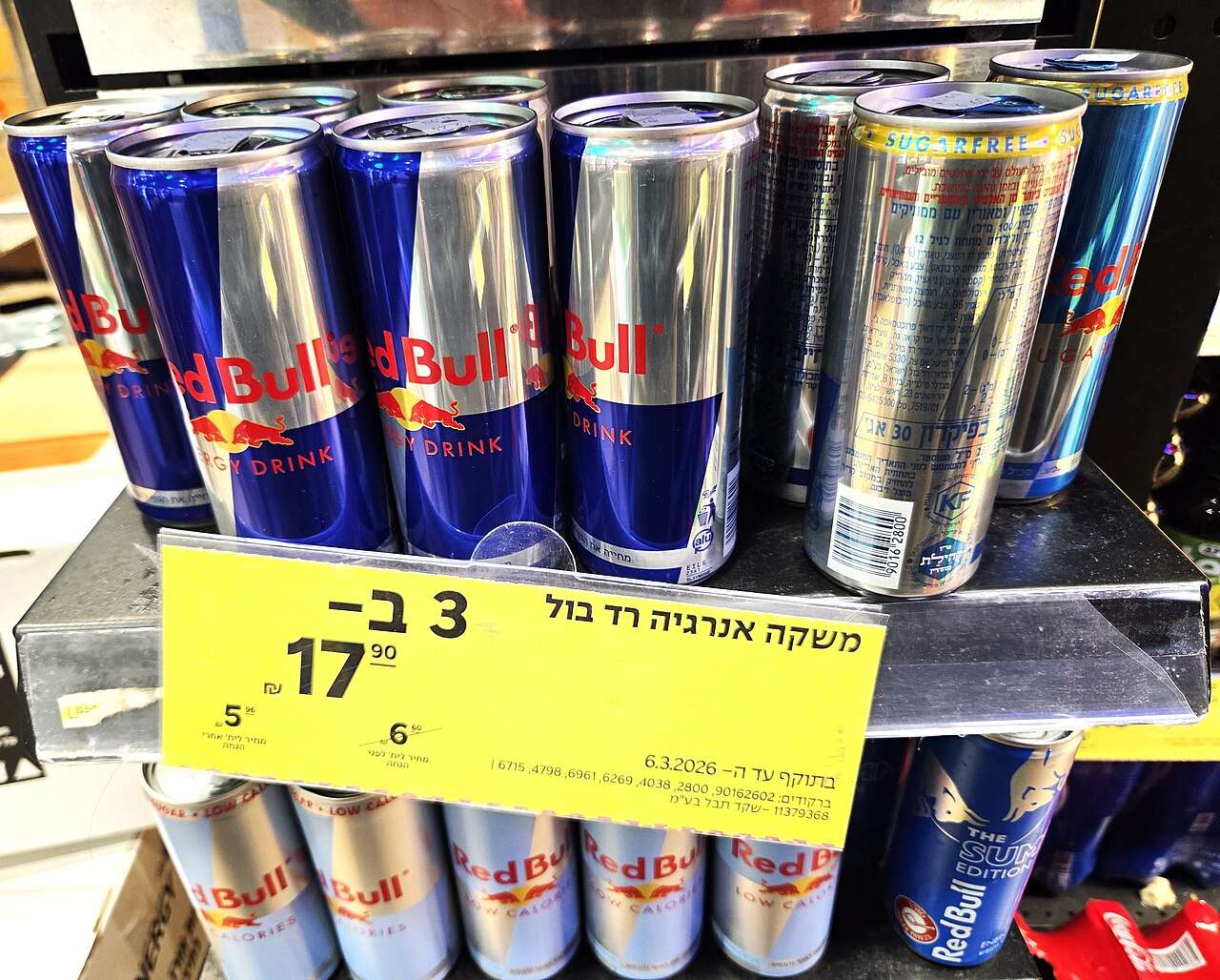
Red Bull paid for the studies saying vodka Red Bulls are fine
Of the studies on mixing alcohol and energy drinks funded by Red Bull or written by researchers with financial ties to it, 95% found no added risk. Roughly 80% of independent studies found the opposite, The Examination reports.
At a February 2011 hearing in Suffolk County, New York, Dutch researcher Joris Verster likened blaming energy drinks for alcohol-fueled injuries to blaming shark attacks on ice cream sales. "The shark attacks are not caused by the ice cream sales," he said. All three scientists who testified against the county's proposed age limit had taken Red Bull money, and lawmakers dropped it.
Verster's studies counted alcohol as mixed only when it was drunk within two hours of an energy drink; caffeine's half-life is five to six hours. A Boston University team walked away from a Red Bull-funded replication over that design. Jonathan Howland wrote in 2012 that his group would not "recruit for a study that we believe cannot test important hypotheses in an unbiased way." Verster denied violating ethical guidelines and said he stands by his research.
Previously:
• Drink marketed at young has 6x the caffeine of a can of coke
• Magnesium helps migraines but the rest of the hype is shaky