Ballots for a special election in England's Clacton-by-Sea are the longest ever produced in U.K. electoral history despite¹ only one major party contesting the race. The vote, scheduled later this month, was triggered by the showy resignation of Clacton's current member of parliament, Nigel Farage.
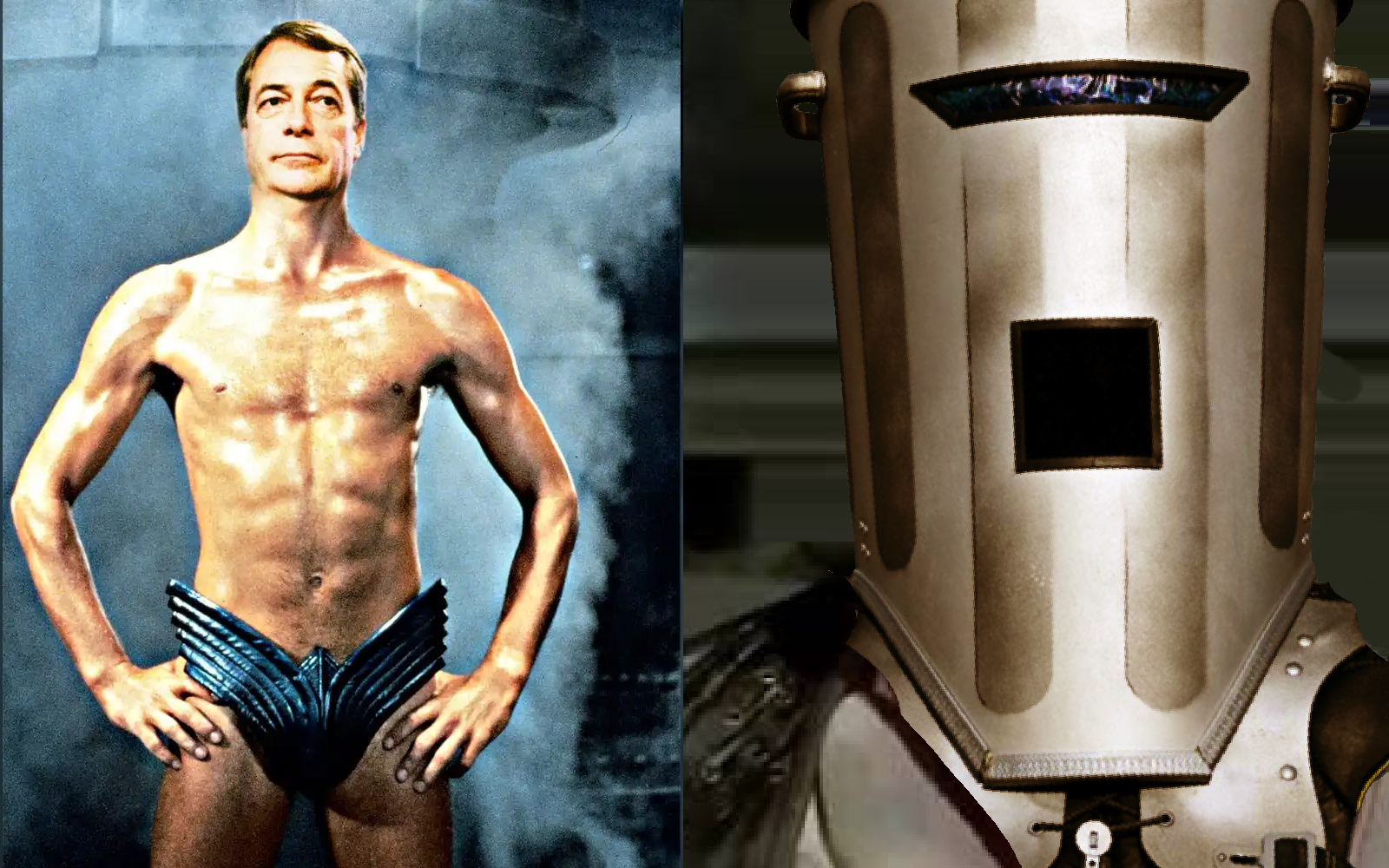
Farage, leader of the far-right Reform UK party, hoped an easy re-election would highlight his popularity and put a corruption investigation behind him. Other parties declined to validate the stunt with their participation, leaving the field (and all the publicity) open to an army of offbeat candidates such as Count Binface. All told, Clacton's 75,959 voters have a total of 34 candidates to choose from on a ballot nearly a meter long.
In addiction to Farage and le Comte la Visage de Poubelle, as the French supposedly call him, the candidates include Nick the Incredible Flying Brick of the Monster Raving Loony Party (itself a Binface-like satire that long ago ended up part of the furniture of U.K. elections), Woke Trump, Laurence Fox (an actor charged with sexual offenses), Howling Laud Hope (also with the Monster Raving Loony Party), Baron Von Thunderclap (yes, Monster Raving Loony Party, that's the joke), and various other also-rans, wannabes and madcaps. There are even one or two known to actually live in Clacton; residency is not a requirement under English law.
Farage can expect to win easily despite the chaos, but the scale of his campaign there suggests he is well-aware his stunt backfired. If his vote share declines from the 47% he won at the last general election, he faces humiliation. If he does lose, he faces total annihilation. His party, riding high in the polls during the dismal premiership of Labour's Keir Starmer, sunk back into second place after Starmer's resignation and his replacement as Prime Minister by Andy Burnham.
Binface, if he wins, will have to show his face if he is sit in Parliament.
The previous record holder for most crowded election was the Haltemprice and Howden by-election in East Yorkshire in July 2008, with 24 candidates, under similar circumstances. In that case, only the Greens and the extreme right-wing English Democrats received significant numbers of votes against his overwhelming total; everyone got the publicity they wanted.
Prague, though, holds the international title, according to the Guinness Book of World Records: 1,187 candidates were printed on its 1994 munipal election ballot. The U.S. record is California's 2003 gubernatorial election, where Arnold Schwarzenegger defeated 134 other candidates.
1. This is the journalist's despite, wherein the word implies disregard when there is in fact a blatant causal relationship.