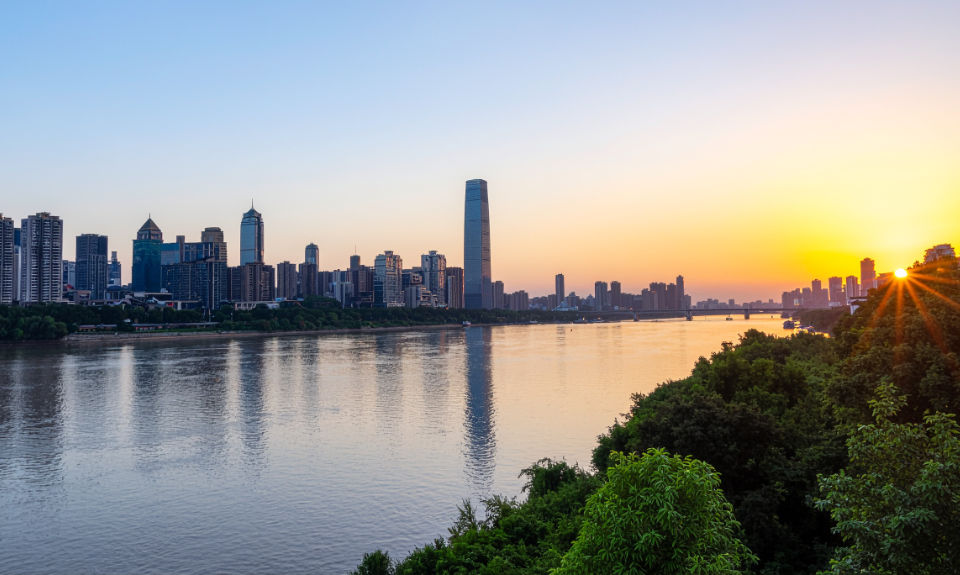
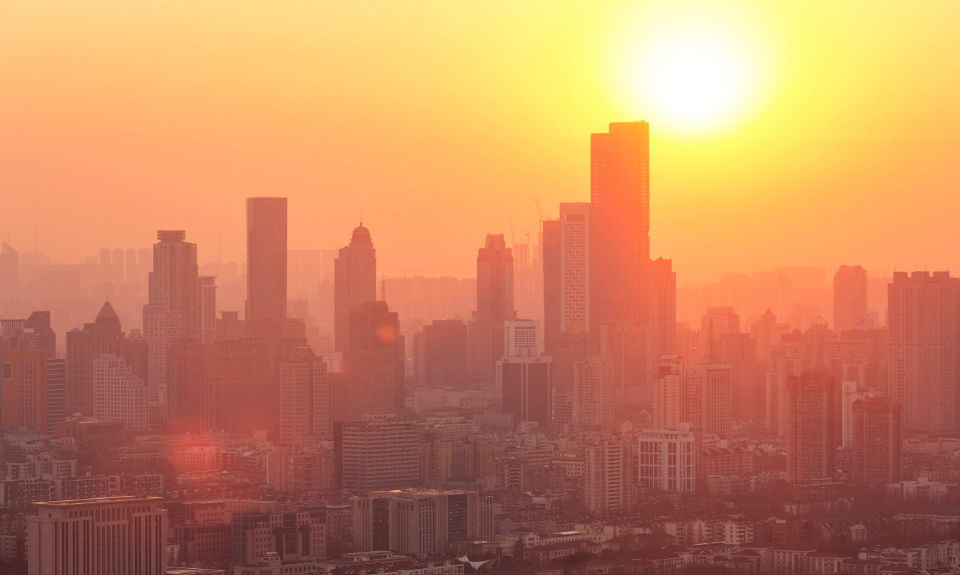
Easy to flatten into a slogan, Luohe is a food city, river city, factory city. All true, but none quite enough. That you actually meet is a place where the water comes first, the industry came later, and the city never stopped smelling a bit like somebody had already started cooking.
漯河很容易被压扁成一句口号。食品城。河流之城。工厂城市。都对,但都不够。真正在你面前出现的,是这样一座城:先有水,后有工业,而城市一直带着一点“已经有人开始做饭了”的气味。
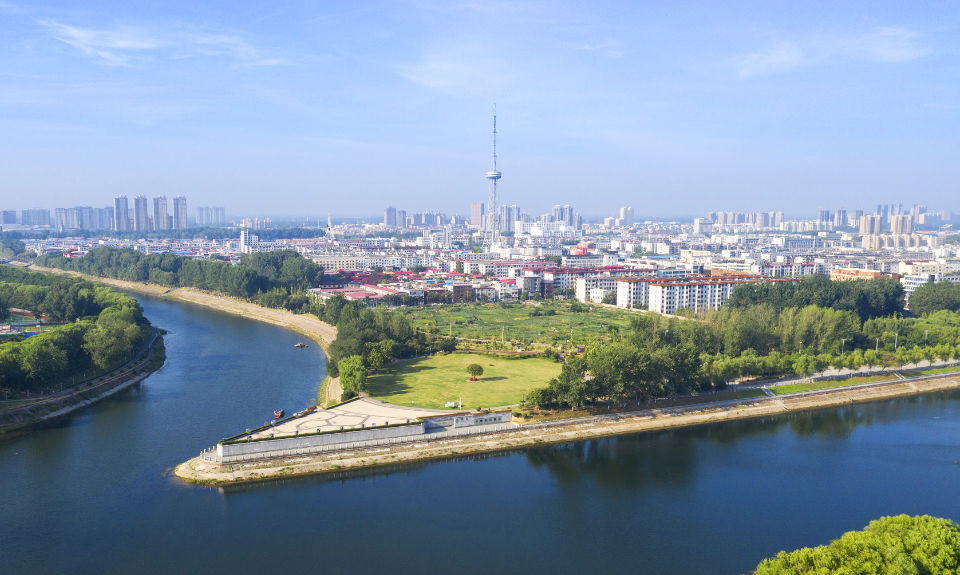
Shahe and Lihe meet in the center of town, which is a good reminder that Luohe was never built to look grand. It was built to move things. Grain, meat, noodles, goods, people, boxes, trucks, gossip. The city has the practical confidence of a place that has spent a long time being useful.
沙河和澧河在市区汇合,这提醒人们,漯河从来不是为了“看上去宏伟”而存在的。它是为了流通而长出来的。粮食、肉类、面条、货物、人、箱子、卡车、闲话。它身上有一种很实用的自信,来自长期“有用”。
From Jiahu to the Kitchen Table
从贾湖到饭桌边
The deepest history is out in Wuyang, at Jiahu. You can spend a long time talking about bone flutes, early wine, rice, soybeans and the rest, and still feel like you’ve only gotten the first mouthful of the story. Jiahu is one of those places that makes “civilization” feel less like a textbook word and more like a village deciding, very early on, to be complicated.
最深的历史在舞阳的贾湖。你可以花很久去说骨笛、早期酒、水稻、大豆以及其他遗存,但仍然觉得自己只尝到了这个故事的第一口。贾湖就是这样一个地方,它让“文明”不再像教科书里的词,而更像一个村子很早就决定把日子过得复杂一点。
That matters because Luohe’s modern identity did not appear out of nowhere. This is a place that knows how to make things, move things and feed people. Shuanghui made the city famous far beyond Henan, and Nanjiecun gave it a stranger, more stubborn kind of fame. One is an industrial name, the other a social one. Both are unmistakably Luohe.
这很重要,因为漯河今天的样子不是凭空冒出来的。这座城很懂得制造东西、搬运东西,也懂得喂饱人。双汇把它的名字带出了河南,南街村则给它添上了一种更奇特、也更倔的名声。一个是工业名字,另一个是社会名字。都很漯河。
I like that mixture. It keeps the city from becoming too polished. There is always a bit of practical friction left in it. The streets still feel like they are doing a job, not posing for one.
我喜欢这种混合感。它让这座城不至于太光滑。总还留着一点实打实的摩擦。街道看起来还是在干活,不是在摆拍。
The City Eats Well Because It Has To
这座城吃得好,因为它必须吃得好
Luohe’s food culture is not ornamental. It is an engine. Meat processing, noodle production, drinks, agricultural processing, logistics; all of it connects back to the simple fact that this is a city that learned, early and thoroughly, how to make food work.
漯河的饮食文化不是摆设,它是发动机。肉制品、面食、饮料、农产品加工、物流;这一切都连回一个简单事实:这座城很早、也很彻底地学会了怎么把“吃”做成一门生意。
And the local dishes feel like they were designed by people who were tired of explaining themselves. Shaoxiao soup, beef soup, Nanjiecun noodles, Huanghui ham, garlic beef, the things people recommend without taking a breath. There is no need here to hunt for delicacy. You can just sit down and be fed.
本地吃食也像是由那些懒得多解释的人做出来的。糁汤、牛肉汤、南街村面条、黄河故道火腿、蒜香牛肉,还有人一口气就能报出来的一串小吃。这里不需要刻意寻找“精致”。坐下就行,等着被喂饱。
That is probably why Luohe feels more human than many places with better branding. It does not perform appetite. It has one.
这大概就是为什么漯河比很多“包装更好”的地方更有人味。它不表演食欲。它本来就有。
Getting here from Nanjing is not a puzzle. High-speed trains from Nanjing South to Luohe West usually take around 6 hours, give or take a little depending on the service. The Beijing-Guangzhou line does the heavy lifting. You get on in one rhythm and arrive in another, which is as it should be for Luohe.
从南京来漯河并不难。南京南到漯河西的高铁通常大约6小时,具体会因车次略有出入。京广通道承担了大部分路程。上车时还是一种节奏,下车时已经是另一种,这对漯河来说很合适。
A first visit does not need to be ambitious. Jiahu for the old stuff, the downtown rivers for the present tense, and a proper meal somewhere in between. That is enough to understand that Luohe is not trying to astonish you. It is trying to keep going, keep feeding, keep moving.
第一次来,不必太贪心。贾湖留给古老,市区河流留给当下,中间再吃一顿像样的饭。这样就足够明白,漯河并不急着让你惊叹。它更在意自己能不能继续往前、继续喂人、继续运转。
Luohe is one of those cities that makes a virtue of usefulness. That can sound plain on paper. In person, it is warmer than that. Slightly messy. Slightly oily. Exactly the right amount.
漯河就是那种把“有用”本身当成优点的城市。写在纸上,这听起来也许普通。可真到了现场,它其实更暖一点。略微杂乱,略微带油,分量刚刚好。