Shangqiu has the kind of history that can become exhausting if handled badly. Shang origins, fire worship, ancient academies, Han tombs, old city walls, Confucius connections, Zhuangzi connections; after a while, the names start queuing up like officials at a ceremony.
商丘的历史,如果写得不好,很容易让人读累。殷商之源、火文化、古书院、汉墓、古城墙、孔子祖籍、庄子故里;说着说着,名字就像参加仪式的官员一样排起了队。
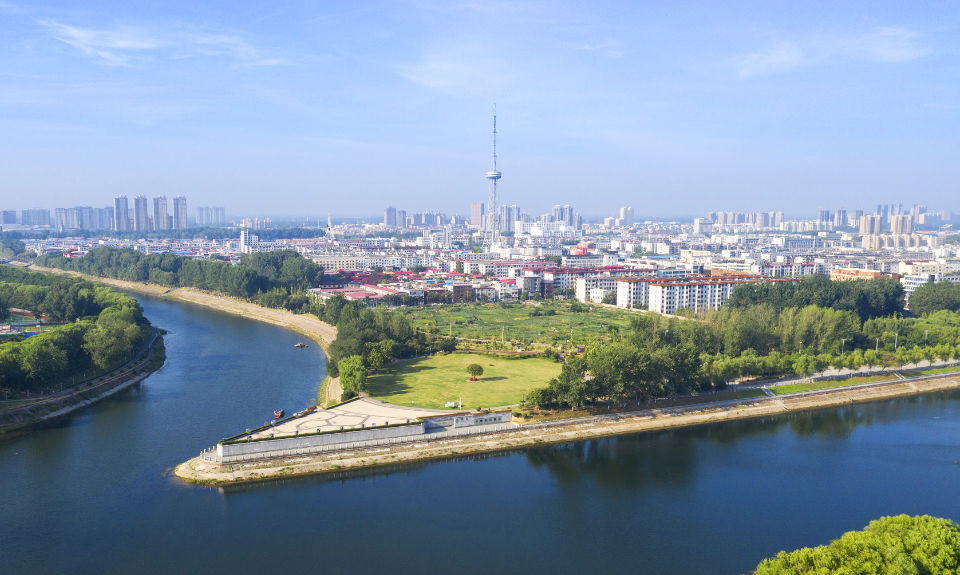
The better way is to begin with the ground. Shangqiu sits in eastern Henan, close to Shandong, Anhui and Jiangsu, on the kind of flat land where roads, railways and old trade routes naturally gather. It feels less like a city built around one attraction than a place where many different pasts have been left within reach of each other.
更好的进入方式,是先从脚下这片地说起。商丘位于河南东部,靠近山东、安徽和江苏,处在一片道路、铁路和旧商路都容易汇集的平原上。它不像是一座围绕某一个景点建起来的城市,更像是许多段不同的过去,被放在了彼此不远的地方。
There is also the small joke for Nanjing readers. In the Northern Song, this place was once promoted as Nanjing, the Southern Capital. Not our Nanjing, obviously, but enough to make a visitor from Jiangsu look twice at the map and feel history gently moving the furniture around.
对南京读者来说,这里还有一个小小的玩笑。北宋时期,商丘曾被升为“南京”,即南都。当然不是我们今天的南京,但足以让一个从江苏来的游客多看一眼地图,感觉历史悄悄把家具挪了个位置。
From Ancient City Walls to the School Beside the Water
从古城墙到水边的那座书院
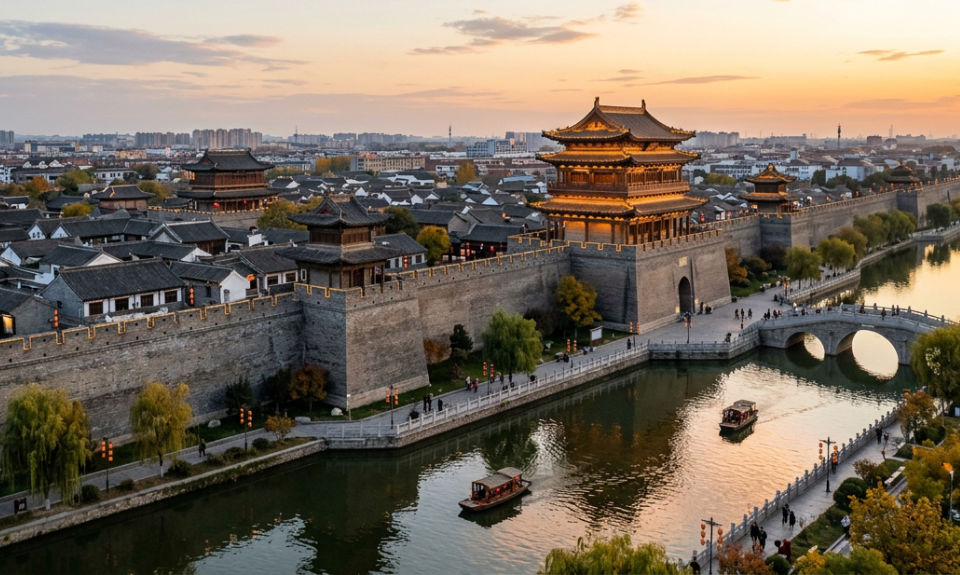
Shangqiu Ancient City is the natural first stop. The present city walls are mainly Ming-dynasty in form, square, contained and still surrounded by water. It is not the most polished old city in China, which may be part of its appeal. Some places become less believable when every surface has been made too smooth.
商丘古城自然是第一站。今天所见的城墙格局主要形成于明代,方正、完整,四周仍有水环绕。它不是中国最精致光亮的古城,这反而可能是它的好处。有些地方一旦被打磨得过于平滑,就会变得不太可信。
Inside and around the old city, history arrives in manageable pieces. There are gates, water, streets, temples and the feeling that the city has been repaired, interrupted and resumed many times. That is often how old places really survive; not as frozen relics, but as things repeatedly patched back into use.
在古城内外,历史是一块一块出现的。有城门,有水,有街巷,有庙宇,也有一种被修补、被打断、又继续使用的感觉。老地方很多时候就是这样活下来的;不是作为一件冻住的文物,而是一次次被重新接回生活里。
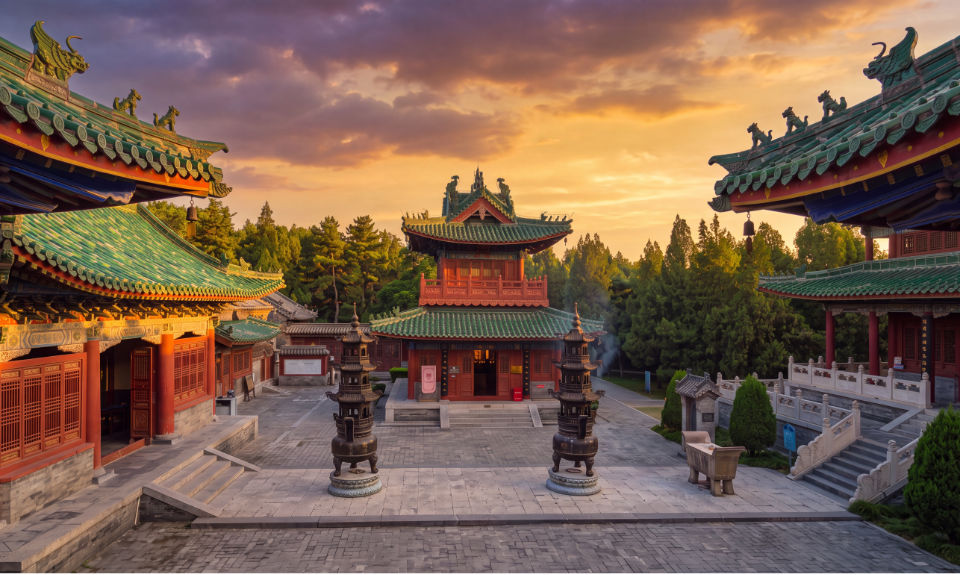
Yingtian Academy is quieter, and probably better for it. One of ancient China’s great academies, it began as private learning before becoming part of the Northern Song educational world. Fan Zhongyan is tied to its later reputation, which gives the site a more human scale. Not just empire, not just examination, but teachers, rooms, books and young people trying to become something.
应天书院安静一些,也因此更好。它是中国古代著名书院之一,最初由民间讲学发展而来,后来进入北宋教育体系。范仲淹也与它后来的声名相连,使这个地方的尺度更接近人。它不只是王朝,也不只是科举,而是先生、屋舍、书卷,以及一群试图成才的年轻人。
That may be Shangqiu’s real advantage. Its grand claims are large, but many of its best places are not. They ask for walking rather than awe.
这或许正是商丘的好处。它的大历史很大,但许多真正好看的地方并不大。它们要求你走一走,而不是一直仰望。
Fire, Han Tombs and Breakfast That Means Business
火、汉墓与一顿很认真的早饭
Huoshentai, also known as Ebo Platform, takes the city much further back. The site is linked with Ebo, the fire official associated with observing the stars and keeping time for agriculture. Whether one approaches it as legend, ritual or astronomy, the place explains why Shangqiu’s idea of itself begins with fire as much as with trade.
火神台,又称阏伯台,把商丘的故事带到更早处。这里与阏伯有关;传说中,他主管火政,也观测星辰,以定农时。无论把它看作传说、祭祀还是早期天文记忆,它都说明了为什么商丘对自己的理解,不只是从商业开始,也从火开始。
The temple fair there still matters. It is not just a tourist performance built for cameras, but a piece of regional folk life that draws people from the borderlands of Henan, Shandong, Jiangsu and Anhui. At its best, it reminds you that belief in China often survives by becoming busy.
这里的火神台庙会至今仍重要。它不只是为镜头准备的旅游表演,而是一种仍与豫、鲁、苏、皖交界地区民间生活相连的活动。最好的时候,它会提醒人们,中国民间信仰常常是靠“热闹”活下来的。
Then there is Mangdang Mountain in Yongcheng. It is tied to Liu Bang, the founding of the Han, the story of the white serpent, and the royal tombs of the Liang State. The jade burial suit unearthed there gives the mountain a different weight from the old city. Shangqiu does not simply point backward in one direction. It keeps changing dynasties under your feet.
再往永城,就是芒砀山。这里与刘邦、汉朝兴起、斩白蛇传说,以及梁国王陵联系在一起。出土的金缕玉衣,也让这座山有了与古城不同的分量。商丘并不是只朝一个方向回望。它会在你脚下不断更换朝代。
Food brings the whole thing down to a friendlier level. Shangqiu has shuijimo, sa soup, shaozi soup, Limin mutton soup, Ningling pears, duozi lamb and the kind of wheat-based snacks that make sense in eastern Henan. The sweet fried bread of shuijimo sounds simple because it is simple. That is not an insult.
吃的会把这一切拉回更亲近的层面。商丘有水激馍、糁汤、哨子汤、利民羊肉汤、宁陵酥梨、垛子羊肉,还有许多豫东面食小吃。水激馍听起来简单,是因为它本来就简单。这不是贬低。
Getting there from Nanjing is almost suspiciously easy. Direct high-speed trains from Nanjing South to Shangqiu can take roughly 2 to 3 hours, with the fastest services coming in at under 2 hours. Shangqiu and Shangqiu East together put the city firmly on the high-speed rail map, while the older railway hub explains why the place has always been good at being passed through. There is no need to force an airport into the plan; from Nanjing, the train is the answer.
从南京去商丘,方便得几乎有点出人意料。南京南到商丘的直达高铁大多约2到3小时,最快的车次不到2小时。商丘站与商丘东站让这座城市稳稳接入高铁网络,而它原本的铁路枢纽地位,也解释了为什么这里一直很擅长被人经过。不必硬把机场塞进行程;从南京出发,高铁就是答案。
Two days is enough for a clean first visit. Spend one day around Shangqiu Ancient City, Yingtian Academy and Huoshentai. Use the other for Mangdang Mountain if you want the Han tombs, or stay closer to town if you prefer to let the old city settle a little. Either way, do not skip breakfast. Henan punishes that kind of arrogance.
两天足够完成一次清楚的初访。第一天放在商丘古城、应天书院和火神台一带。第二天可以去芒砀山看汉墓,也可以留在市区附近,让古城的感觉慢慢沉下来。不管怎么安排,早饭不要省。河南对这种傲慢通常不会太客气。
Shangqiu is not tidy history. It is older, messier and more useful than that. It has walls, schools, fire altars, tombs, trains and bowls of hot soup. For a city so full of origins, it remains pleasingly practical. Things began here, perhaps. But people also had to eat, study, trade, pray, travel and get on with the day.
商丘的历史并不整齐。它比整齐更古老、更杂,也更有用。这里有城墙、书院、火神台、汉墓、铁路和一碗热汤。对一座装着这么多“源头”的城市来说,它依然很实际。许多事情也许从这里开始。但人们同样要吃饭、读书、买卖、祭拜、赶路,然后继续过日子。