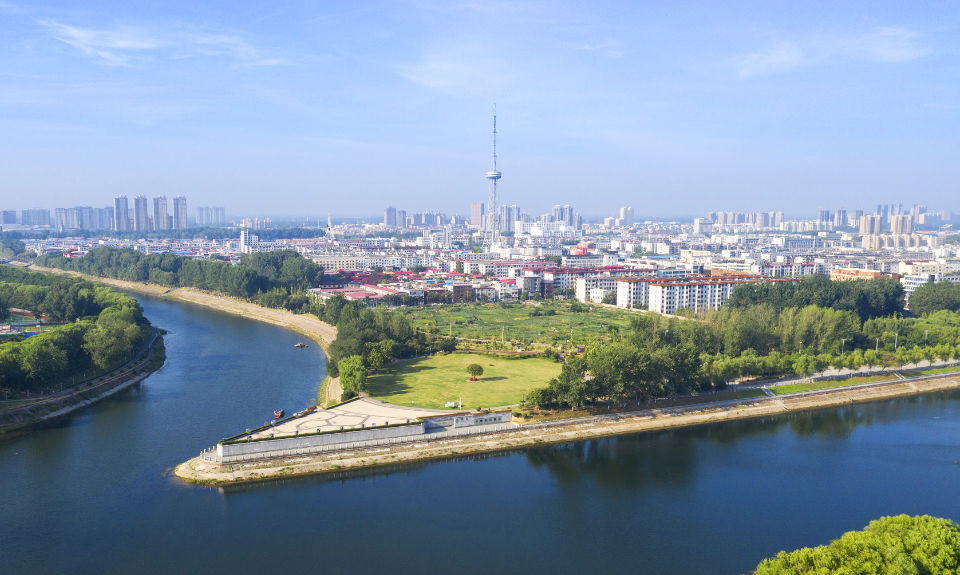
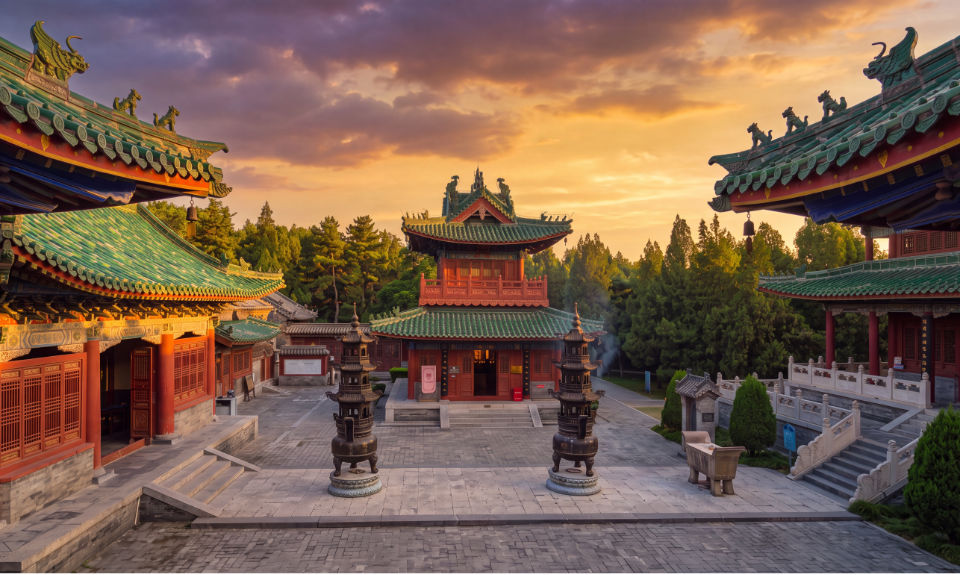
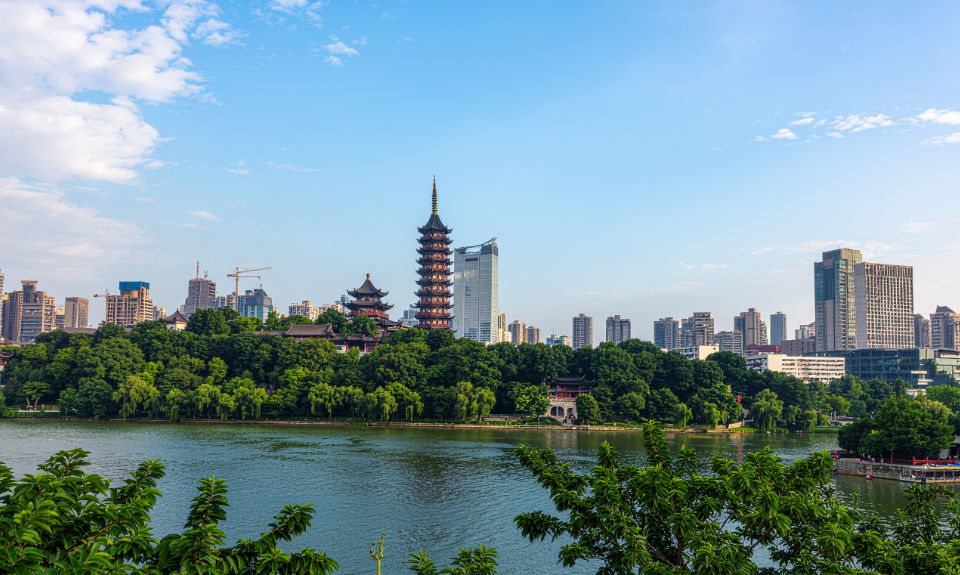
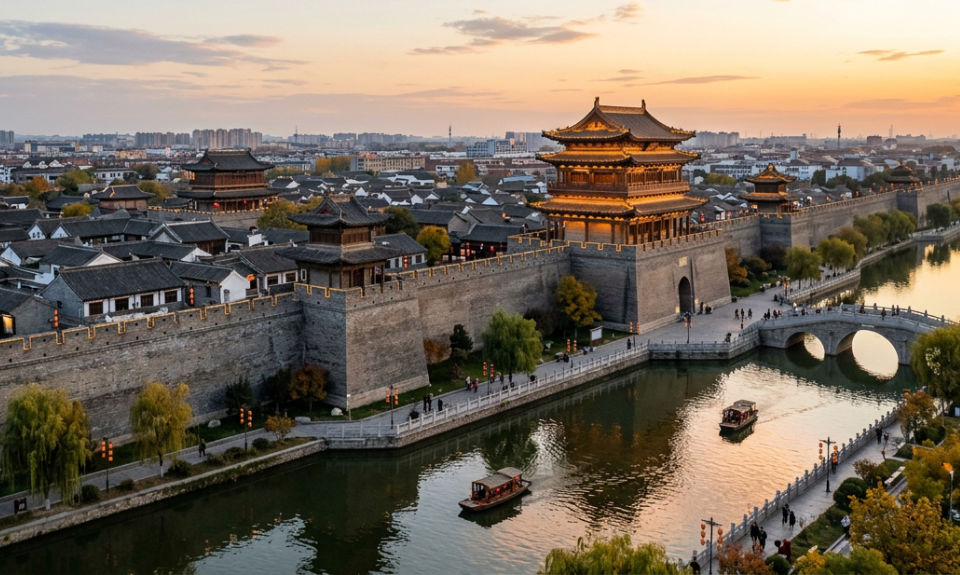
Xinyang does not feel quite like the Henan most people imagine first. It is still Henan, of course, but the air has changed. The fields are greener, the hills are closer, and the weather has a dampness that makes tea seem less like a product and more like the local answer to everything.
信阳不像很多人第一时间想象中的河南。它当然仍是河南,但空气已经变了。田地更绿,山更近,天气里有一种湿润感,让茶不像是一种产品,更像是当地人对许多事情的回答。
The city sits at the bottom of the province, touching Hubei and Anhui, with the Dabie Mountains to one side and the Huai River system shaping the other. People like to call it “the south of the north and the north of the south”. For once, the phrase is not just wordplay. Xinyang really does seem to live in between.
信阳位于河南最南端,与湖北、安徽相邻,一边靠着大别山,一边又受淮河水系影响。人们常说它是“北国江南,江南北国”。这一次,这句话不只是好听。信阳确实活在南北之间。
That in-between feeling is the best way in. Xinyang has northern appetite and southern greenery, Henan directness and a slower, leafier mood. It does not need to argue the point. After a day of mist, lake water and a proper cup of Maojian, the case rather makes itself.
这种“中间感”,也是理解信阳最好的入口。它有北方的胃口,也有南方的绿意;有河南人的直接,也有一种更慢、更带叶子的节奏。它不太需要辩解。只要经历过一天雾气、湖水和一杯像样的毛尖,你大概就懂了。
From Maojian Tea to the Old Villas on Jigong Mountain
从毛尖茶到鸡公山上的老别墅
Xinyang Maojian is the famous name, and it deserves to be. The tea grows in a climate that seems designed for it; hills, cloud, rain, soil and enough coolness to keep things from becoming harsh. Good Maojian is not a loud tea. It is clean, grassy, slightly sharp, and easy to drink before one has fully woken up.
信阳毛尖是最响亮的名字,也确实配得上。这里的气候像是专门为它准备的;山地、云雾、雨水、土壤,还有足够的凉意,使一切不至于变得粗硬。好的毛尖并不是很张扬的茶。它清、青、微微带锋,适合在人还没完全醒过来时慢慢喝。
Tea also gives Xinyang a useful kind of pride. Not the grand, imperial sort, but something more domestic. It is there in shops, in gifts, in village roads, in the way people talk about spring picking. The city’s most persuasive advertisement may simply be a fresh cup placed in front of you without much ceremony.
茶也给了信阳一种很实用的骄傲。不是那种宏大的帝王气,而是更贴近日子的东西。它在店里,在礼盒里,在村路旁,也在人们谈起春茶采摘的语气里。信阳最有说服力的广告,也许就是一杯新茶被不太隆重地放到你面前。
Jigong Mountain changes the register. It is one of China’s old summer resorts, with forest, cool air and a surprisingly international architectural afterlife. In the early 20th century, diplomats, missionaries, businessmen and officials built villas there in different styles, leaving the mountain with a faintly improbable holiday-town feeling.
鸡公山则换了一个调子。它是中国老牌避暑地之一,有森林、有凉气,也有一段很意外的国际建筑遗存。20世纪初,外交人员、传教士、商人和官员在山上修建了不同风格的别墅,让这座山带着一点不太像河南的度假小镇气息。
The result is slightly odd, in a good way. You go up expecting mountain paths and old trees, and then a villa appears, reminding you that people have been escaping summer in much the same ways for a very long time.
这种感觉有点奇怪,但并不坏。你上山时以为自己会看到山路和老树,结果忽然出现一座别墅,提醒你许多年来,人们躲避夏天的方式其实差不多。
Lake Water, Red Memory and Food That Likes a Pot
湖水、红色记忆与喜欢一口锅的信阳菜
Nanwan Lake is the easier pleasure. It sits close to the city, wide enough to slow the day down, with islands, boats, fish restaurants and tea growing near the water. It is not a place that needs much interpretation. You go, you look at the lake, you eat fish, and the afternoon becomes less ambitious.
南湾湖是更容易享受的一站。它离市区不远,水面足够开阔,可以把一天的节奏放慢;有岛、有船、有鱼馆,也有靠水而生的茶。这里不太需要解释。你到了,看湖,吃鱼,下午的野心自然就少了一点。
Farther into the Dabie Mountains, Xinxian brings in another layer. This part of southern Henan was important in revolutionary history, especially in the Hubei-Henan-Anhui Soviet Area. The landscape there is not just pretty background. It holds villages, memorials and the memory of a hard rural politics that shaped the 20th century.
再往大别山深处走,新县会带出另一层信阳。这一带在革命历史中很重要,尤其与鄂豫皖苏区相关。那里的山水并不只是好看的背景。它装着村庄、纪念地,也装着一种曾经深刻影响20世纪的乡村政治记忆。
Food in Xinyang suits the place. It leans into stewing, broth, fish, goose, pork and mountain ingredients. Nanwan fish, Gushi goose, Luoshan intestine soup, clay-pot pork, Huangchuan fish balls and local greens all feel less like dishes designed for visitors than things people were going to eat anyway.
信阳菜很适合这座城市。它偏爱炖、汤、鱼、鹅、猪肉和山里食材。南湾鱼、固始鹅块、罗山大肠汤、焖罐肉、潢川鱼丸和本地青菜,都不像是专门为游客设计出来的菜,更像是当地人本来就要这样吃。
This is where Xinyang’s north-south position becomes useful again. The food has weight, but it is not dull. It can be rich, but there is usually something green nearby. A meal here often feels as if Henan has loosened its collar a little.
这时,信阳的南北交界位置又派上了用场。这里的菜有分量,但不沉闷;可以很浓厚,但旁边通常又有一点绿意。一顿饭吃下来,会觉得河南在这里稍微松了松领口。
Getting there from Nanjing is refreshingly simple. Xinyang East is on the high-speed rail network, and direct trains from Nanjing South usually take just under 5 hours to a little over 5 hours. The older Xinyang station still handles slower trains into the city proper. Xinyang Minggang Airport exists, but it is small and mostly useful for selected domestic routes; from Nanjing, the train is the obvious choice. It drops you close enough to arrive without drama, which is the right mood for Xinyang.
从南京去信阳,难得地简单。信阳东站已经接入高铁网络,从南京南直达通常不到5小时到5个多小时。老信阳站仍承担进市区的普速列车。信阳明港机场也在,但规模不大,主要服务部分国内航线;从南京出发,高铁显然更顺。它让人不用太折腾就能抵达,这种方式也很符合信阳的气质。
A two- or three-day visit works best. Give one day to Jigong Mountain, one to Nanwan Lake and tea, and keep a third if you want Xinxian, Lingshan Temple or a slower food-and-tea day in the city. Xinyang is not a place to over-schedule. Too much planning would miss what it does well.
两到三天最合适。一天给鸡公山,一天给南湾湖和茶;如果时间宽裕,再留一天给新县、灵山寺,或只是在市区慢慢吃饭喝茶。信阳不适合排得太满。计划太多,反而会错过它最擅长的东西。
It may be Henan’s gentlest introduction to itself. Not because the city is soft in every way, but because it knows how to let water, leaves and hills do some of the talking. Plenty of places ask to be admired. Xinyang is happier being steeped.
它也许是河南最温和的一种自我介绍。不是说这座城市处处柔软,而是它懂得让水、茶叶和山替自己说一部分话。很多地方急着让人赞叹。信阳更适合被慢慢泡开。