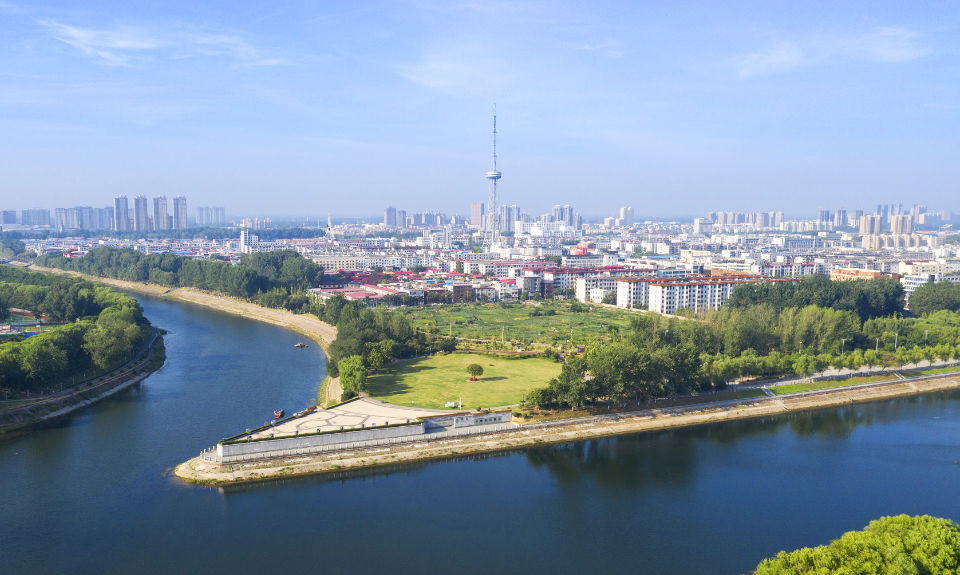
Sanmenxia is not a city one can write about honestly by treating the Yellow River as scenery. The river is not background here. It is the reason, the argument and, quite often, the problem. Hence its very big damned dam.
写三门峡,不能把黄河只当成风景。到了这里,黄河不是背景。它是原因,是争论,也常常是问题本身。
The city sits in western Henan, pressed close to Shanxi and Shaanxi, at a place where China’s map starts to feel less like province and more like passage. Roads, railways, gorges, old fortresses and water all squeeze through this corner. Even the name, “Three Gates Gorge”, comes with the sound of a river being forced to behave.
三门峡位于河南西部,紧靠山西和陕西。在这里,中国地图看起来不像一个个省份,更像一条条通道。道路、铁路、峡谷、古关隘和河水,都从这个角落挤过去。就连“三门峡”这个名字,也带着河流被迫收束时的声音。
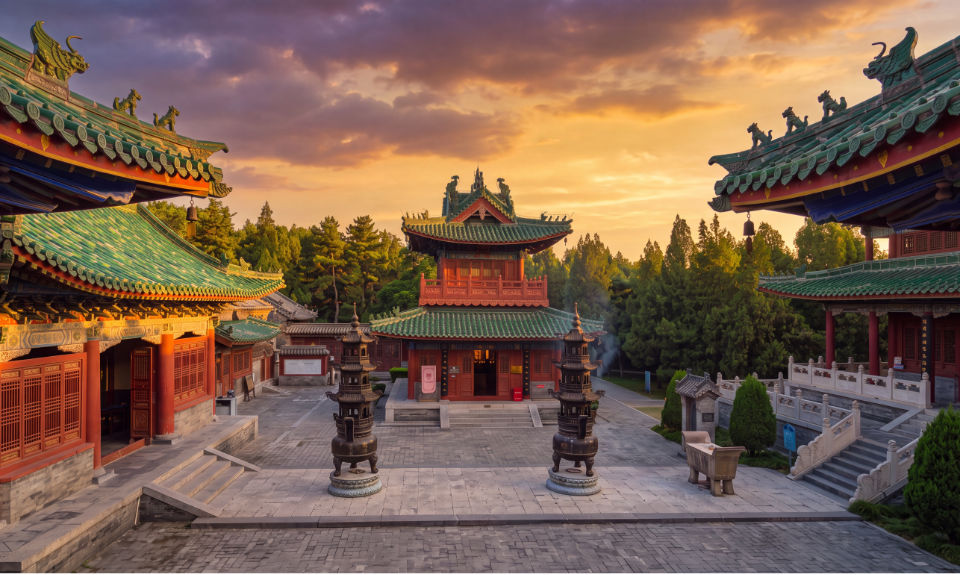
There are older stories, of course. Yangshao Village in Mianchi gave its name to one of China’s major Neolithic cultures after discoveries there in 1921. Hangu Pass, near Lingbao, guarded one of the great routes between the Central Plains and the west. Laozi is said to have passed through it before leaving the world a slim, difficult book.
当然,这里还有更古老的故事。渑池仰韶村在1921年的考古发现之后,成为中国重要新石器文化“仰韶文化”的命名地。灵宝附近的函谷关,则曾守着中原通往西方的重要通道。传说老子也曾从这里经过,并留下那本又薄又难的书。
From Hangu Pass to the First Big Dam on the Yellow River
从函谷关到万里黄河第一坝
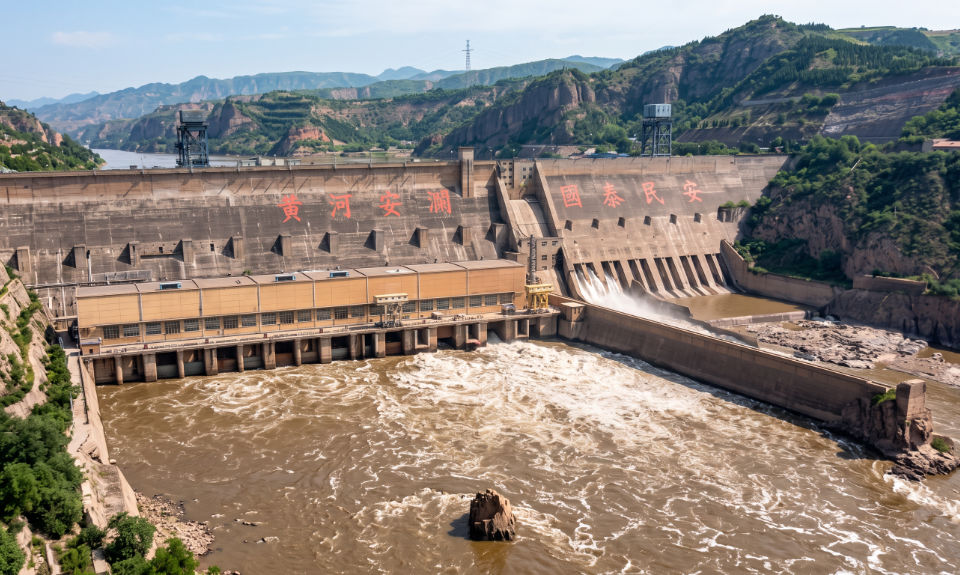
The dam is where Sanmenxia becomes more than a stop on an old route. Construction of the Sanmenxia Water Control Project began in 1957 and was basically completed in 1960. It was the first large-scale comprehensive water conservancy project built on the main stream of the Yellow River after 1949.
大坝让三门峡不再只是古道上的一个停点。三门峡水利枢纽1957年开工,1960年基本建成。它是新中国成立后在黄河干流上建设的第一座大型综合性水利工程。
That sentence sounds clean. The reality was not. The project was asked to do almost everything; flood control, ice prevention, irrigation, water supply, power generation and, crucially, sediment control. The Yellow River, being the Yellow River, immediately made the last item the hardest one.
这句话听起来很干净,现实却不干净。这个工程几乎被要求承担所有任务;防洪、防凌、灌溉、供水、发电,最关键的还有治沙。而黄河毕竟是黄河,它很快就让最后一项变成最难的一项。
The early idea was simple enough: store water, hold back silt, tame the river. But the Yellow River carries the Loess Plateau with it. Sediment built up quickly in the reservoir and pushed trouble upstream, especially toward the Weihe system. The dam had to be altered, and its operation changed. The language shifted from merely storing water and trapping silt to the more careful principle of “storing clear water and releasing muddy water”.
最初的想法并不复杂:蓄水、拦沙、驯服黄河。但黄河随身带着黄土高原。泥沙很快在库区淤积,并把问题向上游推去,尤其影响到渭河水系。大坝不得不改建,调度方式也随之改变。治理语言也从单纯的“蓄水拦沙”,转向更谨慎的“蓄清排浑”。
That is why the dam should not be visited as a monument to triumph alone. It is more interesting than that. It is a place where modern China tried to solve an ancient river with concrete, and then had to keep learning from the river after the concrete was poured.
所以,参观三门峡大坝,不该只把它看成一座胜利纪念碑。它比那更有意思。这里是现代中国试图用混凝土解决一条古老河流的地方,而混凝土浇下去之后,人仍然不得不继续向河学习。
Swans, Old Roads and Food from the Borderlands
天鹅、古道与三省交界处的吃食
The unexpected result is that Sanmenxia is not only a dam city. It is also Swan City. Each winter, whooper swans arrive at the wetlands around Swan Lake, close enough to the urban area to make the whole thing feel faintly improbable. Heavy engineering and delicate birds do not usually share a postcard, but here they do.
出人意料的是,三门峡并不只是大坝之城。它也是天鹅之城。每年冬天,大天鹅来到市区附近的天鹅湖湿地,近得让人觉得有些不可思议。大型水利工程和优雅的鸟,通常不会出现在同一张明信片上,但在这里,它们确实放在了一起。
Hangu Pass gives the city its older severity. It is easy to overdo the romance of a pass, but this one matters because it explains the geography. Sanmenxia has always been a threshold. Armies, traders, officials, ideas and fugitives all had reason to pass this way.
函谷关则给这座城市带来更古老的严肃感。关隘很容易被写得过于浪漫,但函谷关真正重要,是因为它解释了这里的地理。三门峡一直是一道门槛。军队、商旅、官员、思想和逃亡者,都曾有理由从这里经过。
Food follows the same borderland logic. Lingbao roujiamo looks west toward Shaanxi but speaks with a local accent. Daying mahua belongs to the railway-platform school of eating; crisp, portable and somehow better when bought in a hurry. Add Shaanzhou ten-bowl feasts, mutton hubuo, apples, dates and walnuts, and the city begins to taste like a junction rather than a centre.
吃的也带着这种交界地带的逻辑。灵宝肉夹馍看起来望向陕西,却又有自己的口音。大营麻花则属于火车站台式美食;酥、脆、方便携带,而且好像越是匆忙买到,越有味道。再加上陕州十碗席、羊肉糊卜、苹果、红枣和核桃,这座城市吃起来不像一个中心,更像一个路口。
Getting there from Nanjing is straightforward enough. Direct high-speed trains from Nanjing South to Sanmenxia South usually take about 4.5 to 6 hours, with easy alternatives via Zhengzhou or Luoyang. Sanmenxia does not need an airport to make sense for Nanjing readers; the train is cleaner, and it lets the flatlands give way slowly to western Henan. That approach suits the place.
从南京去三门峡并不复杂。南京南到三门峡南的直达高铁通常约4.5到6小时,也可以经郑州或洛阳中转。对南京读者来说,三门峡并不需要机场来证明自己方便;高铁更顺,也让平原慢慢过渡到豫西。这样的抵达方式很适合这座城市。
Two days is enough for a first visit if one does not pretend to finish the Yellow River. Give one day to the dam, Swan Lake and the city’s river edge. Give the other to Hangu Pass, Yangshao-related sites around Mianchi, or the cave dwellings and old courtyards of Shaanzhou. The dam should be seen early, not as an afterthought. It changes how the rest of the city reads.
如果不假装自己能“看完黄河”,两天足够完成一次初访。一天留给大坝、天鹅湖和城市的黄河边;另一天给函谷关、渑池一带的仰韶文化遗址,或陕州地坑院和老院落。大坝最好早一点看,而不是顺手补上。看过它之后,整座城市都会变得更容易读懂。
Sanmenxia is not a gentle Yellow River story. It has ancient culture, old passes, winter swans and good things to eat, but the dam remains the difficult heart of it. That is not a problem for the traveller. It is the reason to go. Some cities show you what people built. Sanmenxia shows you what happened after the river answered back.
三门峡不是一个温柔的黄河故事。它有古文化、老关口、冬天的大天鹅和不少好吃的东西,但大坝仍然是它最复杂的心脏。这对旅行者来说不是问题,反而是去的理由。有些城市展示人建造了什么。三门峡展示的是,河流回应之后,事情又怎样继续下去。