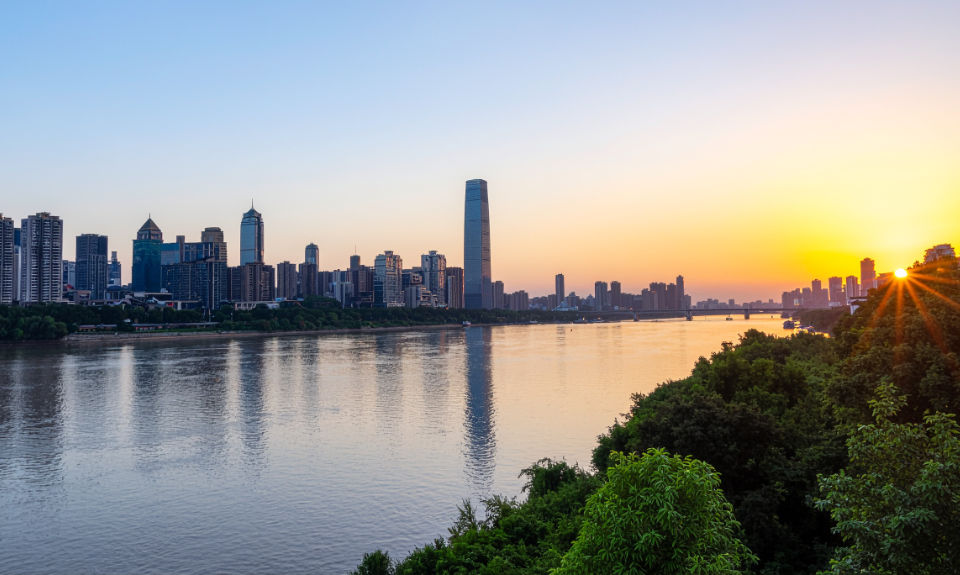
Xuchang seems to have too many identities and little patience for a neat summary. It’s a Three Kingdoms city, a flower city boasting old bridges, towers and arguments; and new shopping streets. All in view at once; it’s a little messy, but more convincing than elegance.
许昌是那种身份太多、却又不怎么耐烦被人一句话概括完的河南城市。它是三国之城,也是花城;有老桥、老楼、老争论,也有新的商圈。它把这些东西都摆在眼前,多少有点乱,但也比过分整齐更可信。
The city sits in the middle of Henan, close enough to Zhengzhou to feel the pull, but not so close that it loses its own weight. Officially, it is in “the center of the center”. That sounds like marketing until you stand in it and realise the land is flat, the roads run hard, and the city has always been a place people passed through, fought over, or stayed in long enough to matter.
许昌位于河南中部,离郑州不远,却又没有被郑州吸走自己的分量。官方喜欢说它在“中原之中”。这听上去像宣传语,直到你真站在这里,看到土地平整、道路硬朗、来往频繁,才会发现这地方一直是人们经过、争夺、或者停下来认真待过的地方。
Where Cao Cao Stayed Too Long for History to Forget
曹操待得太久,所以历史也忘不掉
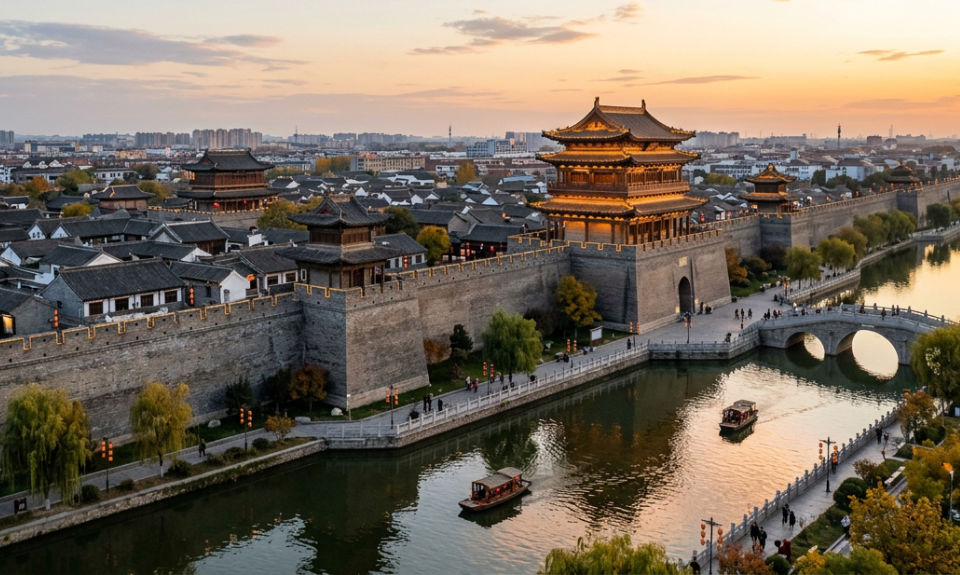
Xuchang’s biggest claim is still the Eastern Han and Cao Cao. He held the city for twenty-five years, and that was enough time for politics, military power, literature and administration to settle in and become part of the local wallpaper. This is where the “Wei capital” memory comes from, and it never quite left.
许昌最响亮的名头,依然是东汉和曹操。曹操在这里待了二十五年,时间长到足以让政治、军事、文学和治理都沉进城市里,变成背景的一部分。“魏都”这个记忆,也就是这么来的,而且一直没真正离开。
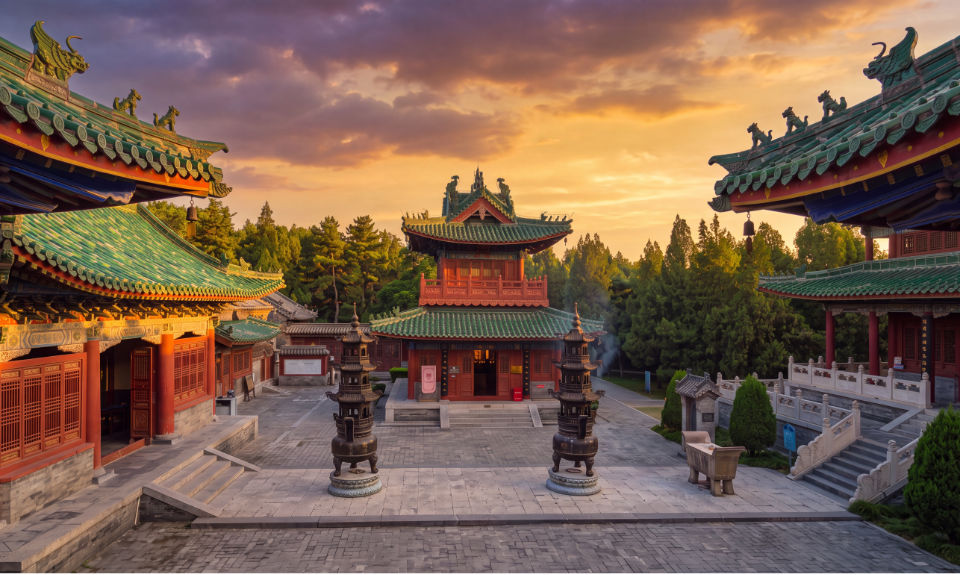
That history is not kept politely behind glass. Chunqiu Tower still tells the story of Guanyu’s time in Xuchang, the two-courtyard arrangement, the reading of the Spring and Autumn Annals, the whole long tension between loyalty and hostage, courtesy and control. It is easy to turn this into a museum lesson. In person, it feels more like a city remembering that old power was often very intimate.
这段历史并没有被客气地放进玻璃柜里。春秋楼还在讲关羽在许昌的那段日子,两院格局、《春秋》、忠义与羁留、礼遇与控制之间那种长久的拉扯。这些很容易被讲成一堂博物馆课。但真到了现场,会更像一座城市在回忆:旧时代的权力,往往其实离人很近。
Baling Bridge is the other name people keep. The “giving the robe” story is so over-told that it risks sounding fixed, but the bridge still works because it is not just about the story. It is about where a story has decided to live. Xuchang was good at that. It gave famous people a place to stand while history happened around them.
灞陵桥是另一个绕不开的名字。“挑袍赠袍”的故事讲得太多,几乎会失去新鲜感,但这座桥仍然有用,因为它不只是故事本身,而是故事决定落脚的地方。许昌很擅长这一点。它给了那些著名人物一个站位,让历史在周围发生。
Then there is the odd, enduring fact that Xuchang is also the birthplace of Jian’an literature. That means the city is not only the home of military manoeuvre and imperial pretence; it is also the place where a certain sharp, unsentimental literary style took hold. Not every city can say that while also selling flowers.
还有一个很奇特、但一直在的事实:许昌也是建安文学的发祥地。这意味着这座城市不只是军事调度和帝王气象的所在地,它也是一种锋利、不矫饰的文学气质真正落地的地方。不是每座城市都能一边说这件事,一边又顺手卖花。
Flowers, Water and the Slightly Ordinary Present Tense
花、水,以及这个不怎么夸张的当下
That last point matters because Xuchang is also called the Flower City, and the nickname is not silly. Flower growing is a real local industry, not just a decorative phrase, and it gives the city a softer face than the Three Kingdoms material would suggest. One moment you are in Cao Cao country, the next you are looking at a boulevard of plants that seem to have no interest in conquest at all.
这一点很重要,因为许昌确实也叫“花城”,而这个称呼并不空。花卉种植是实打实的本地产业,不只是好听的修辞。于是这座城市就有了比三国叙事更柔和的一面。前一刻你还在曹操的地盘上,下一刻又看见一整条种满植物的街道,那些植物看起来对征服毫无兴趣。
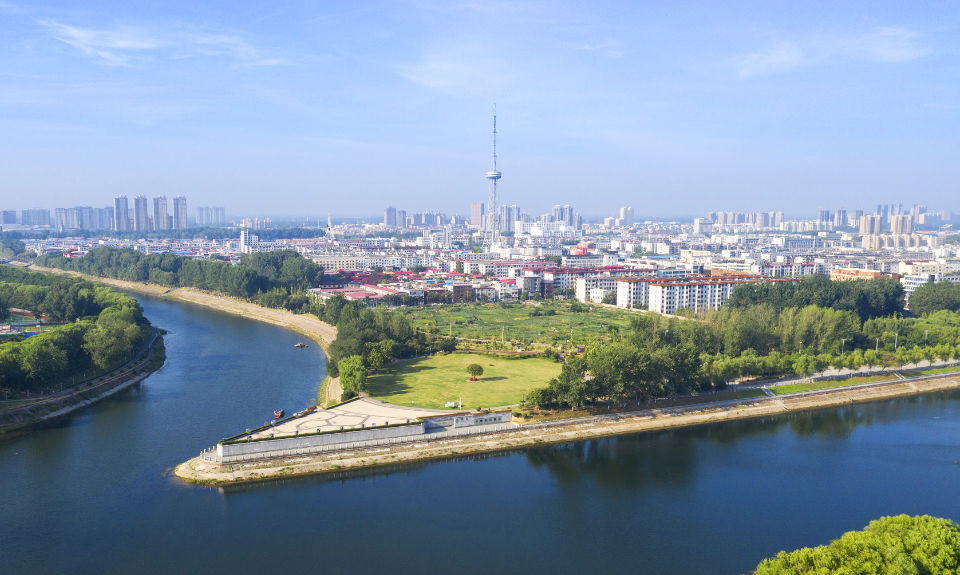
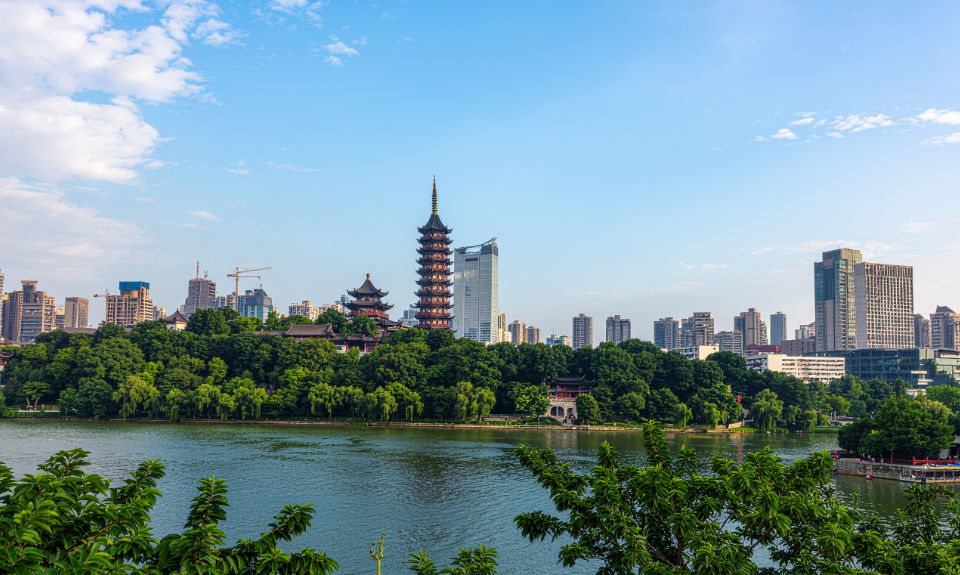
The city also does ordinary urban life well. Water systems, parks, traffic, the careful business of making a middle-sized Chinese city liveable. Xuchang does not always try to be dramatic. Sometimes it just gets on with it, which may be why the old drama feels stronger when it appears.
许昌也很会过日常城市生活。水系、公园、交通、把一座中等规模中国城市弄得宜居的那些细活儿,许昌都做得不错。它不总想着要戏剧化。有时候,它就是老老实实把日子过下去。也正因为这样,历史一旦出现,反而更显得有分量。
If you want the city in a single image, it is perhaps this: a place where a Bronze Age or Han Dynasty ghost can share a street with a florist and neither of them seems especially surprised.
如果要用一个画面来概括这座城市,也许就是:一个商朝或者汉代的影子,和一个花店老板在同一条街上擦肩而过,而两边都不觉得奇怪。
Getting there from Nanjing is straightforward. Direct high-speed trains from Nanjing South to Xuchang North usually take about 3 hours 8 minutes to 3 hours 40 minutes, depending on the service. That is quick enough to make the city feel near, but not so quick that it loses its western Henan character. Xuchang also sits only about 50 km from Xinzheng Airport and 80 km from Zhengzhou, but from Nanjing the train is the sensible move. It lets you arrive with just enough time to notice the landscape changing.
从南京去许昌很方便。南京南到许昌北的直达高铁通常在3小时8分到3小时40分左右,具体要看车次。这个时间够快,让城市显得不远;又不至于快到把它的豫中气质冲没。许昌离新郑机场大约50公里,离郑州约80公里,但从南京出发,高铁更合适。它让你在抵达前,刚好有时间看见沿途地貌的变化。
A first visit does not need to be overplanned. Give one day to Cao Wei Ancient City, Chunqiu Tower and Baling Bridge. Let another day drift a little, toward the city museum, the flower markets, or simply the streets where Xuchang is less iconic and more itself. That often tells you more than the headline sites do.
第一次来,不必排得太满。一天留给曹魏古城、春秋楼和灞陵桥。另一天可以稍微松一点,去许昌博物馆、花卉市场,或者只是走走那些不那么“名片化”、却更像许昌本身的街道。很多时候,这些地方比招牌景点更能说明问题。
Xuchang is not trying to be one thing. That is the nicest thing about it. It can hold Cao Cao, Guanyu, literature, flowers and a very ordinary present tense without turning into a costume party. Plenty of places in Henan carry history. Xuchang lets history stay in the room, then opens the window.
许昌并不急着只成为一种东西,这正是它最好的地方。它能同时装下曹操、关羽、文学、花卉和一个很普通的当下,而不把自己变成一场换装表演。河南很多地方都有历史,许昌的特别之处在于,它让历史留在屋里,然后把窗户打开。