
Remember me
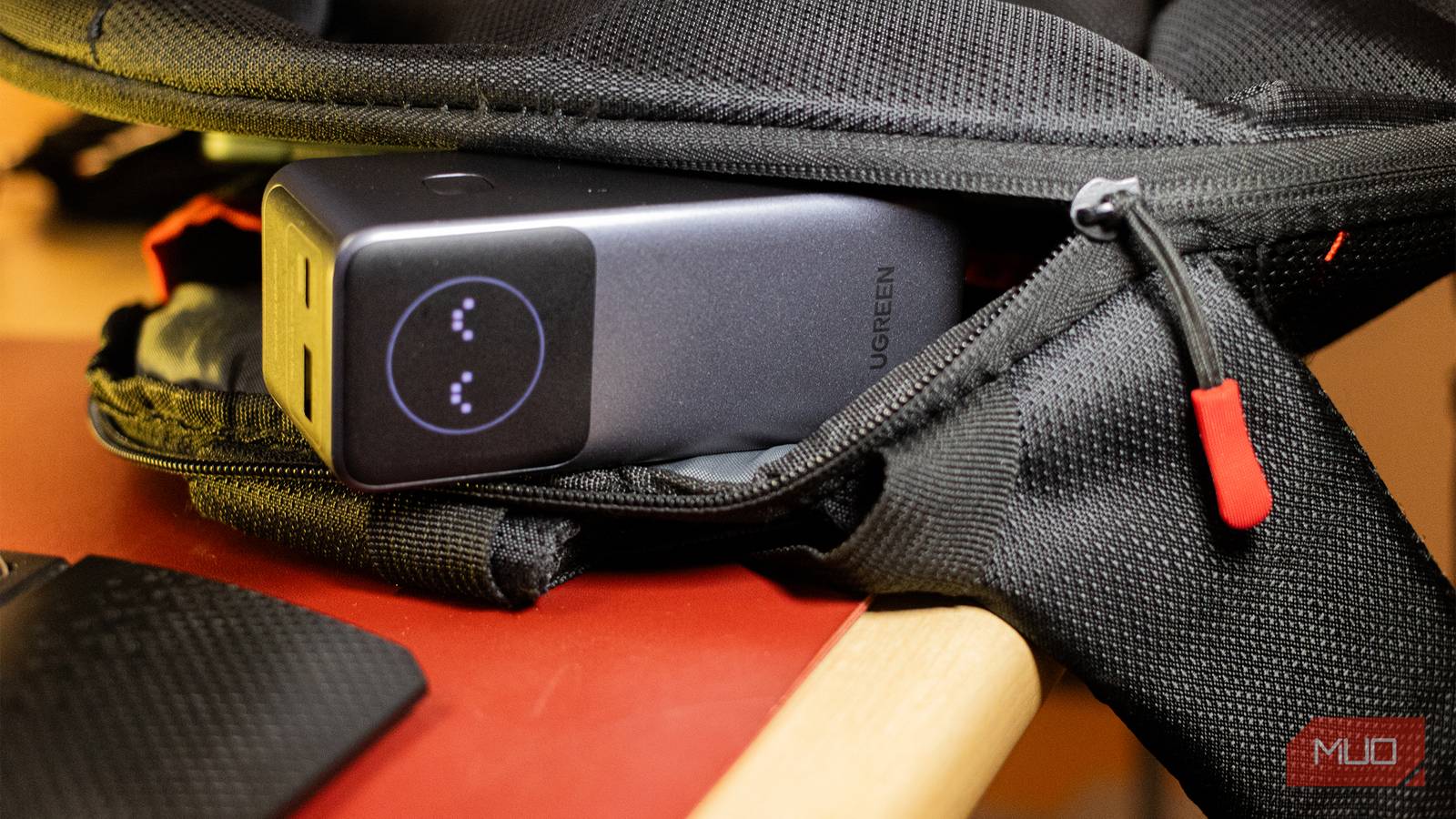
I never stress about keeping my devices charged while traveling thanks to power banks. My go-to portable charger has a massive 25,000mAh capacity and 145W power delivery support, giving me enough juice to recharge laptops, tablets, phones, and everything in between. However, there's a hidden power bank spec that more accurately reflects a charger's total capacity than milliampere-hours (mAh) or wattage (W) — and it's the one that determines whether yours can fly.
This crucial specification is watt-hours (Wh), which accounts for both charge and voltage to measure a battery's total energy. By comparison, the mAh number you'll find on the box only reveals how long a power bank can charge at a specified amperage. Most of us completely overlook our power bank's Wh rating, but the U.S. Federal Aviation Administration (FAA) uses this spec to determine which portable chargers are allowed in your carry-on luggage.
 Related
I built a tech survival kit with these 5 tools, and it comes on every trip
Related
I built a tech survival kit with these 5 tools, and it comes on every trip
With this tiny pouch in my gear bag, I can stay prepared for any tech emergency that might come up.
This spec determines if your power bank can fly We talk about portable chargers in mAh, but that's not what airports care about Credit: Brady Snyder / MakeUseOf
You might be surprised to learn that the two specs most commonly used in power bank labeling and advertising — milliampere-hours (mAh) and wattage (W) — aren't the ones the U.S. Transportation Security Administration (TSA) or Federal Aviation Administration (FAA) uses to check them. In fact, mAh isn't as useful of a spec as you may think. This number tells you how long a power bank runs at a specific current. For example, a 25,000mAh battery can deliver 25,000 milliamps for an hour.
The problem with mAh is that it completely ignores the power bank's voltage. A trio of 25,000mAh batteries will have different total energy figures if they are each running at 3.7V, 5V, or 12V. If you know the exact voltage of a power bank, this isn't an issue. However, the voltage is a key piece of context to properly understand a power bank's capacity as expressed in mAh. When you know the voltage, you can multiply the mAh capacity by the voltage and divide it by 1,000, giving you a power bank's capacity in watt-hours (Wh).
The watt-hour spec measures a power bank's total energy, making it the best way to analyze and compare battery capacities. This explains why the TSA and FAA use it to gauge whether a battery is safe in the sky. The FAA sets strict restrictions as to how large a lithium-ion battery can be packed in a carry-on bag, and the TSA is tasked with enforcement. If you don't know your charger's Wh rating beforehand, your power bank could be confiscated in the security line.
There are three tiers of lithium-ion batteries One is okay to fly, another is a maybe, and the last one is a hard no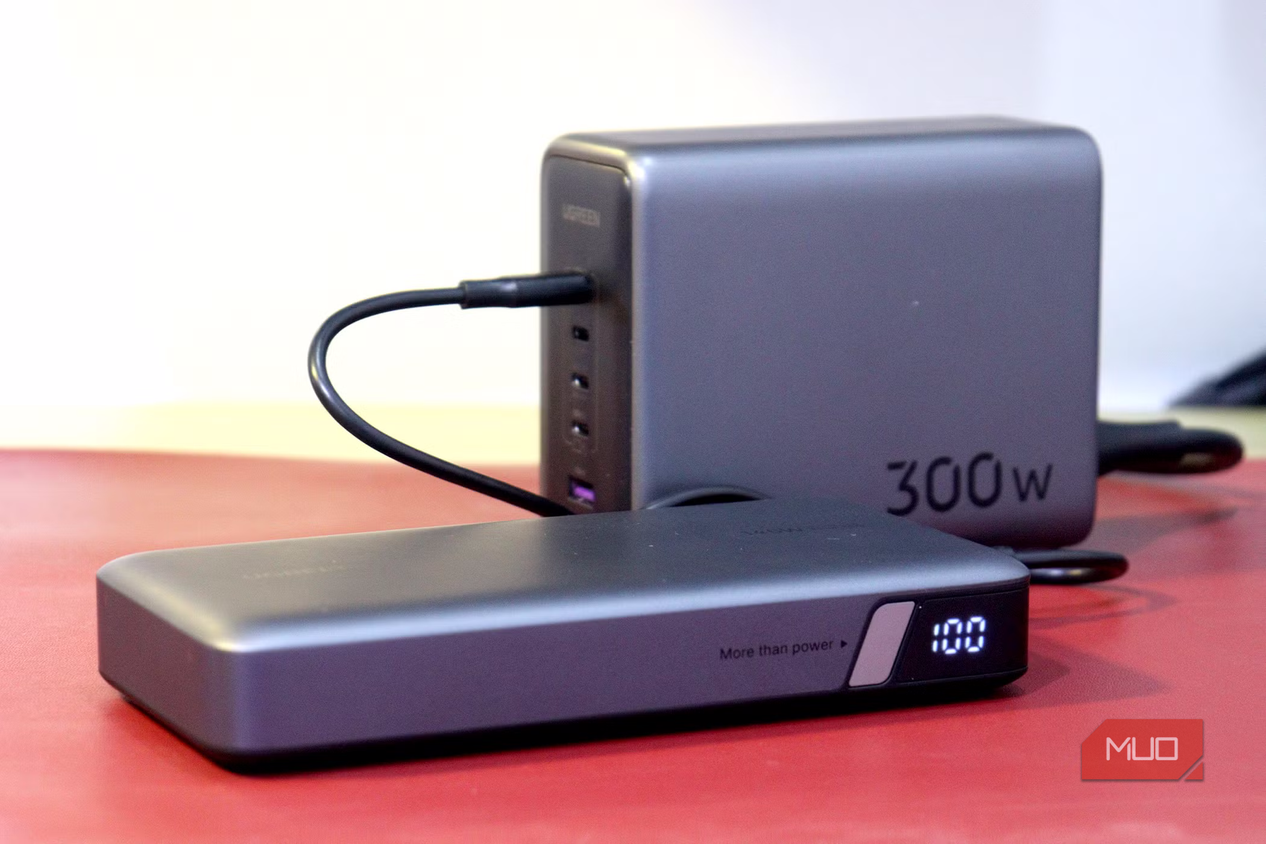
 Jowi Morales / MakeUseOf
 Credit: Jowi Morales / MakeUseOf
 Credit: Jerome Thomas / MakeUseOf
 Jerome Thomas / MakeUseOfClose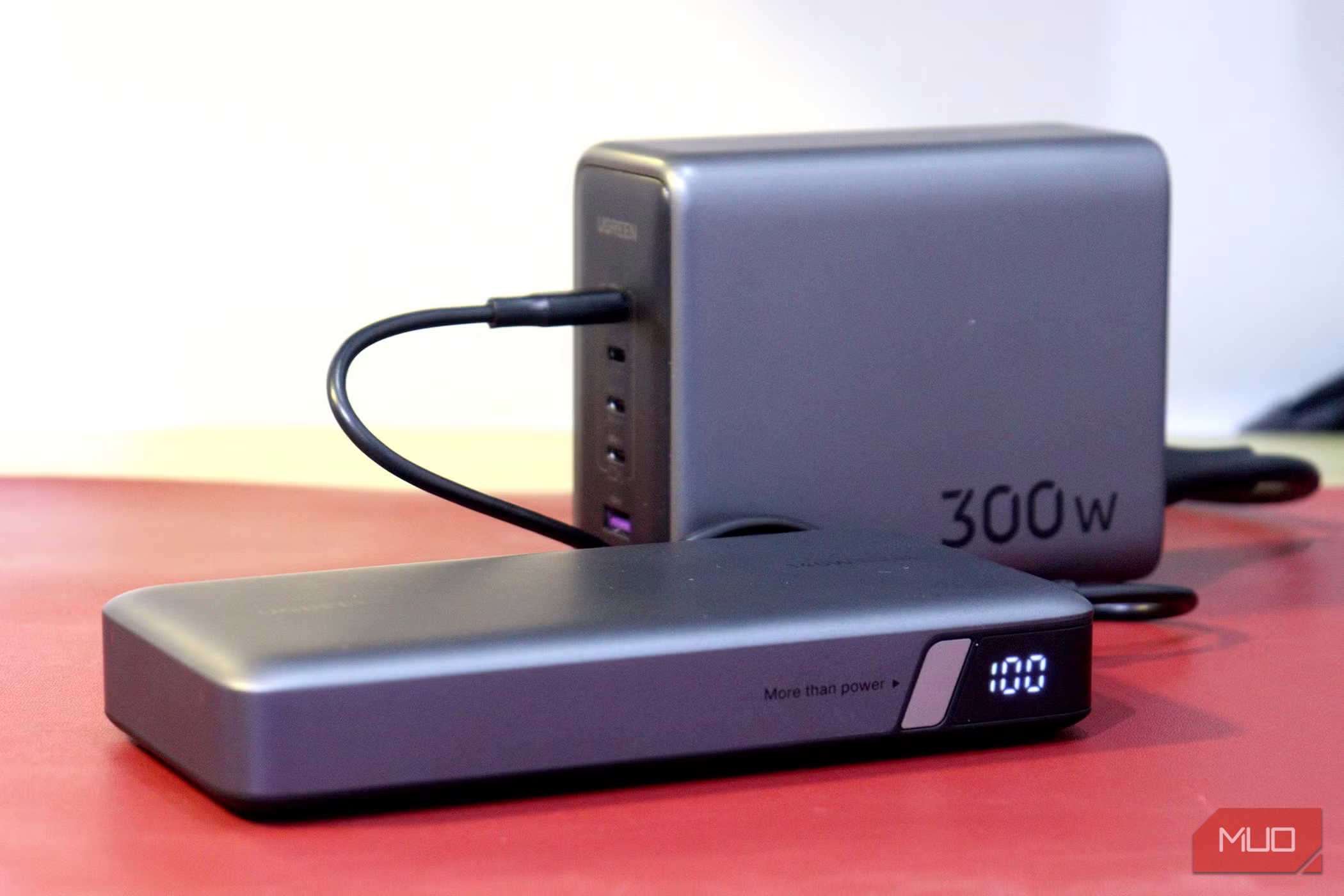
 Jowi Morales / MakeUseOf
 Credit: Jowi Morales / MakeUseOf
 Credit: Jerome Thomas / MakeUseOf
 Jerome Thomas / MakeUseOf
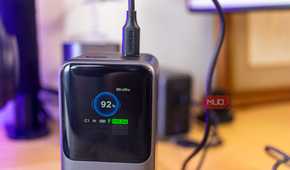
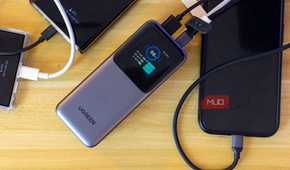

The FAA's size limits for lithium-ion batteries are outlined as part of the agency's PackSafe guidelines. Batteries are considered potentially hazardous materials, because, as the FAA explains:
All lithium-ion batteries are capable of overheating and undergoing a process called thermal runaway. Thermal runaway can occur without warning as a result of various factors, including if the battery is damaged, overheated, exposed to water, overcharged, or improperly packed. Thermal runaway can also occur on its own due to manufacturing defects.
Of course, a battery expansion, overheating, or combustion would cause a safety issue in the skies, which is why they are regulated. There are three size classes for lithium-ion batteries recognized by the FAA: 0Wh to 100Wh, 101Wh to 160Wh, and above 160Wh. If you have a battery under 100Wh, it can fly in your carry-on luggage without restrictions. There is no quantity limit to how many lithium-ion batteries under 100Wh you can carry with you, as long as they are in your carry-on bag.
The 100Wh limit applies to all lithium-ion batteries, regardless of whether they are portable chargers, spare batteries, or inside another device. You should know that nearly all consumer electronics have lithium-ion batteries under this threshold so that they can fly without issue. For instance, a 16-inch MacBook Pro has an internal battery just under 100Wh, and that is intentional. If Apple added a bigger battery, the MacBook Pro wouldn't be able to fly without prior approval.
For batteries between 101Wh and 160Wh, passengers must secure prior approval from their airline before bringing them on a plane. Even with prior approval, there is a limit of two batteries of this size class per passenger. Batteries larger than 160Wh cannot fly at all, with no exceptions.
The FAA has a lithium-ion battery watt-hours (Wh) calculator on its PackSafe website to help you figure out a battery's size before arriving at the airport. If it is under 100Wh, it's okay to fly.
Keep in mind that your airline may have stricter restrictions than the FAA. You must comply with both your airline's policies and federal regulations when bringing lithium-ion batteries into the sky.
Never put lithium-ion batteries in checked luggage This firm rule applies regardless of your battery's size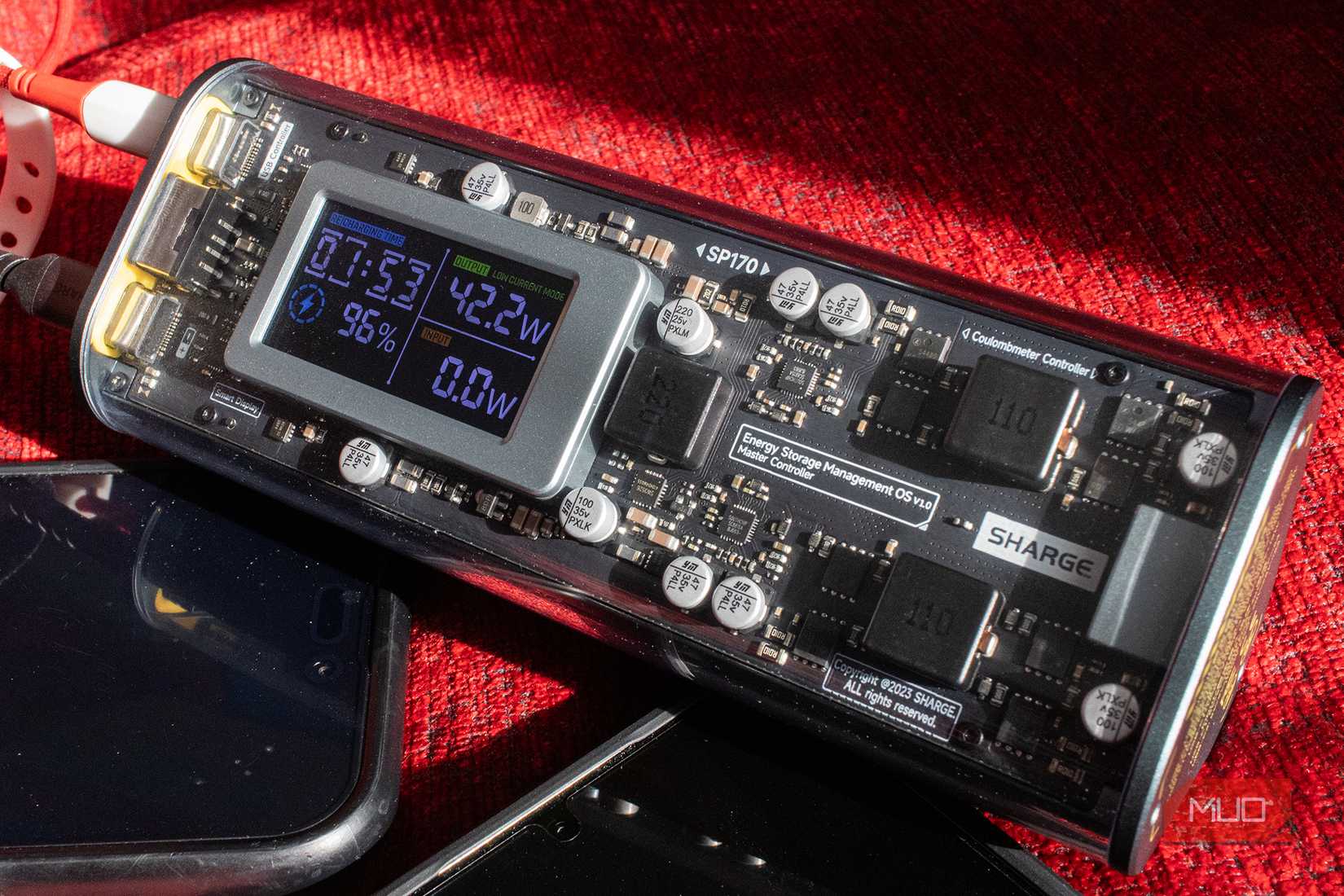 Credit: Jowi Morales / MakeUseOf
While mAh and wattage are commonly used to evaluate power banks, the only spec the FAA cares about is Wh. Make sure yours is under 100Wh to avoid a hassle at the airport, and to help keep everyone safe. Remember that in addition to these size limits, you can never store a battery in checked luggage. They must be in your carry-on bag. If you keep these rules in mind when traveling, you'll be able to navigate airport security and fly safely without problems.
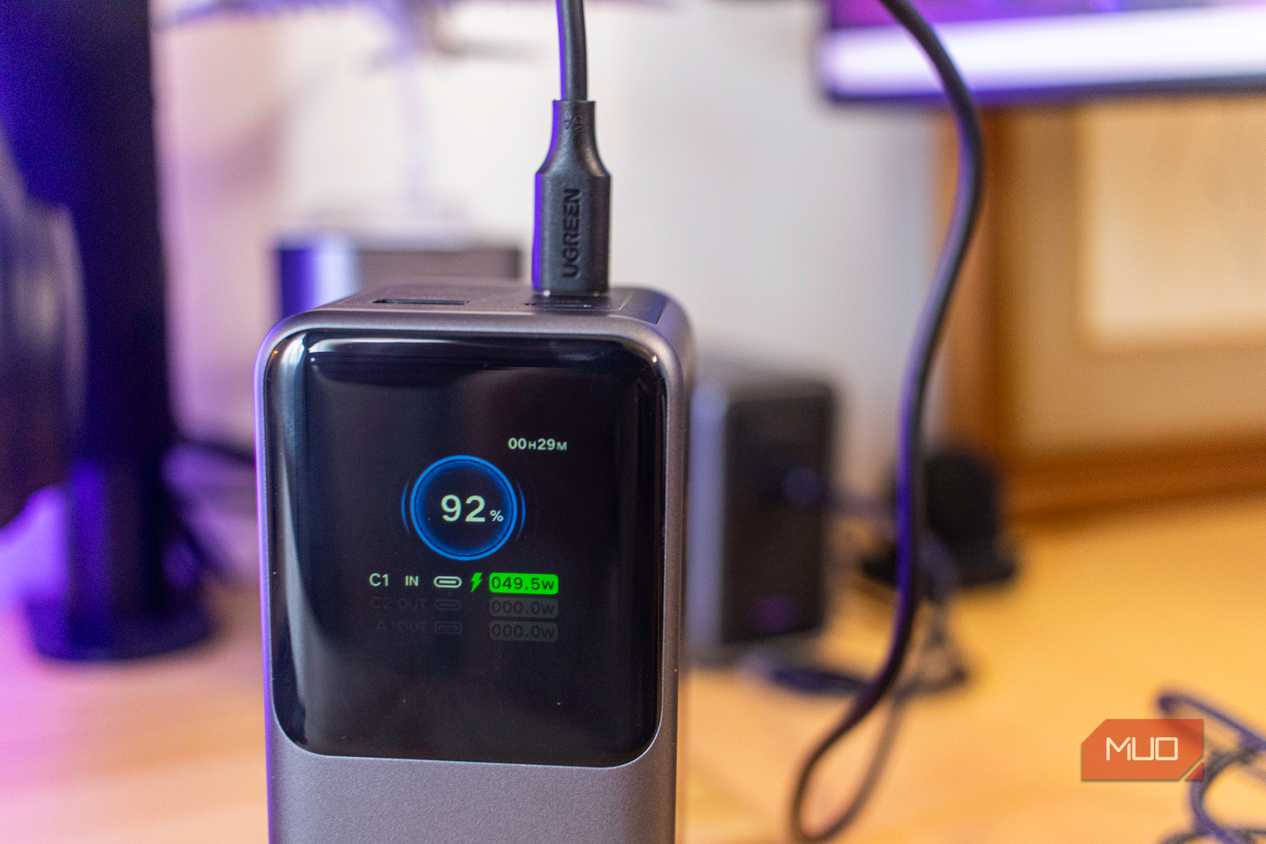
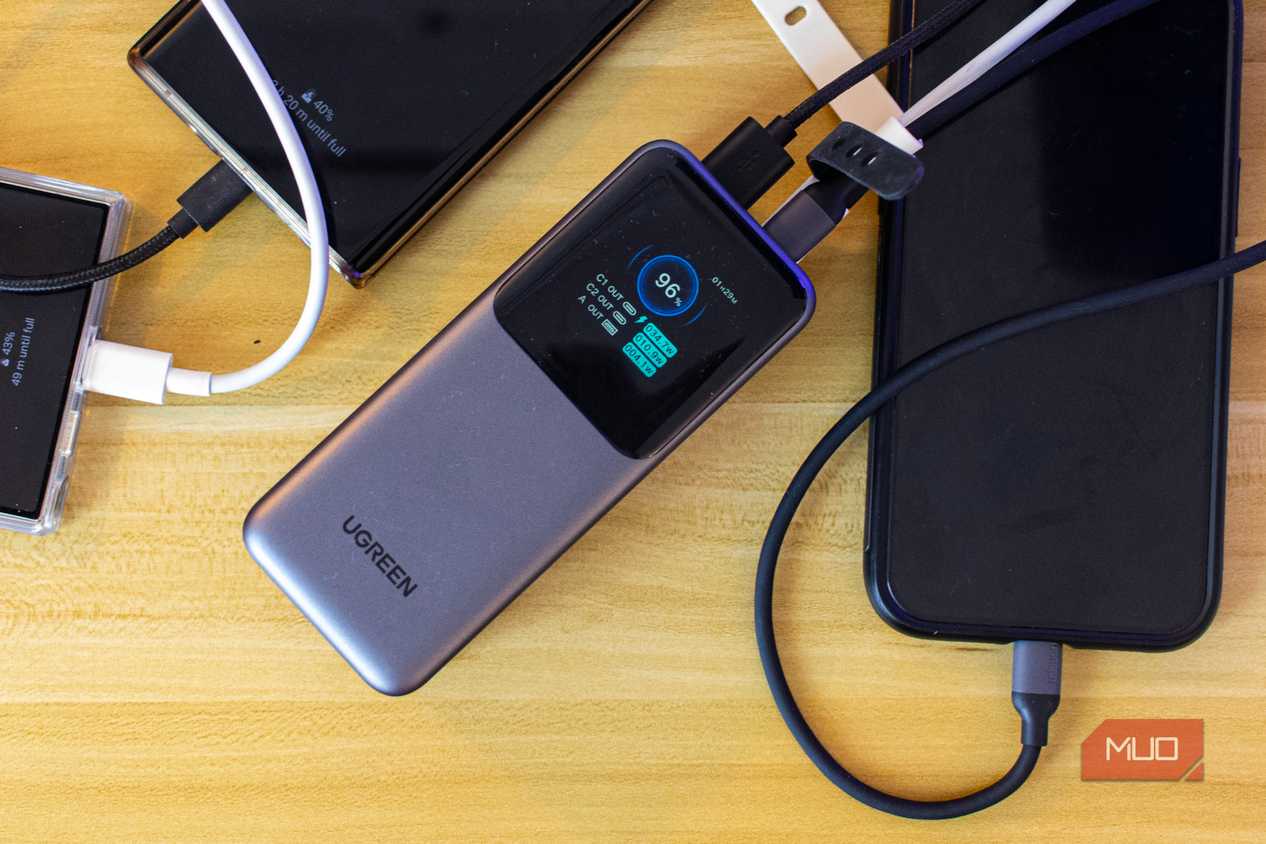
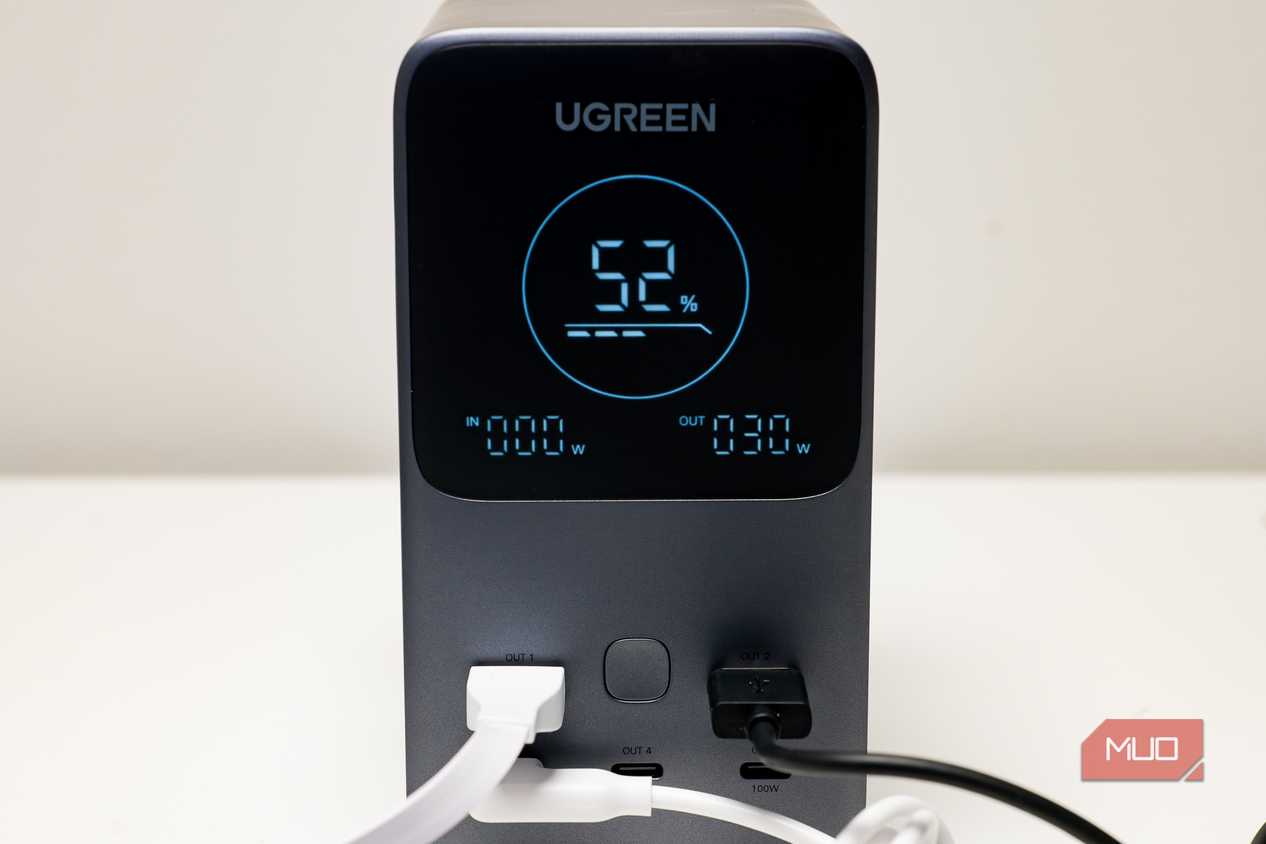
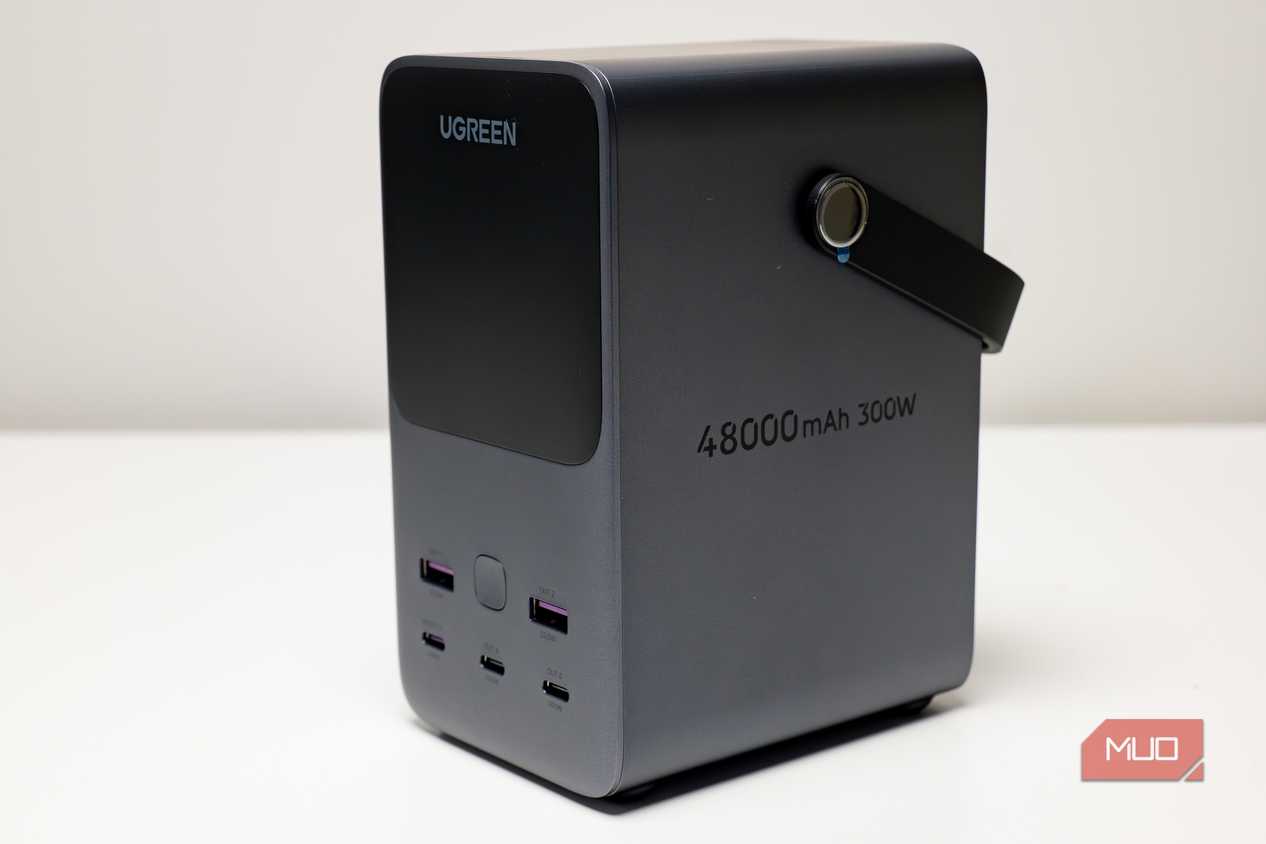
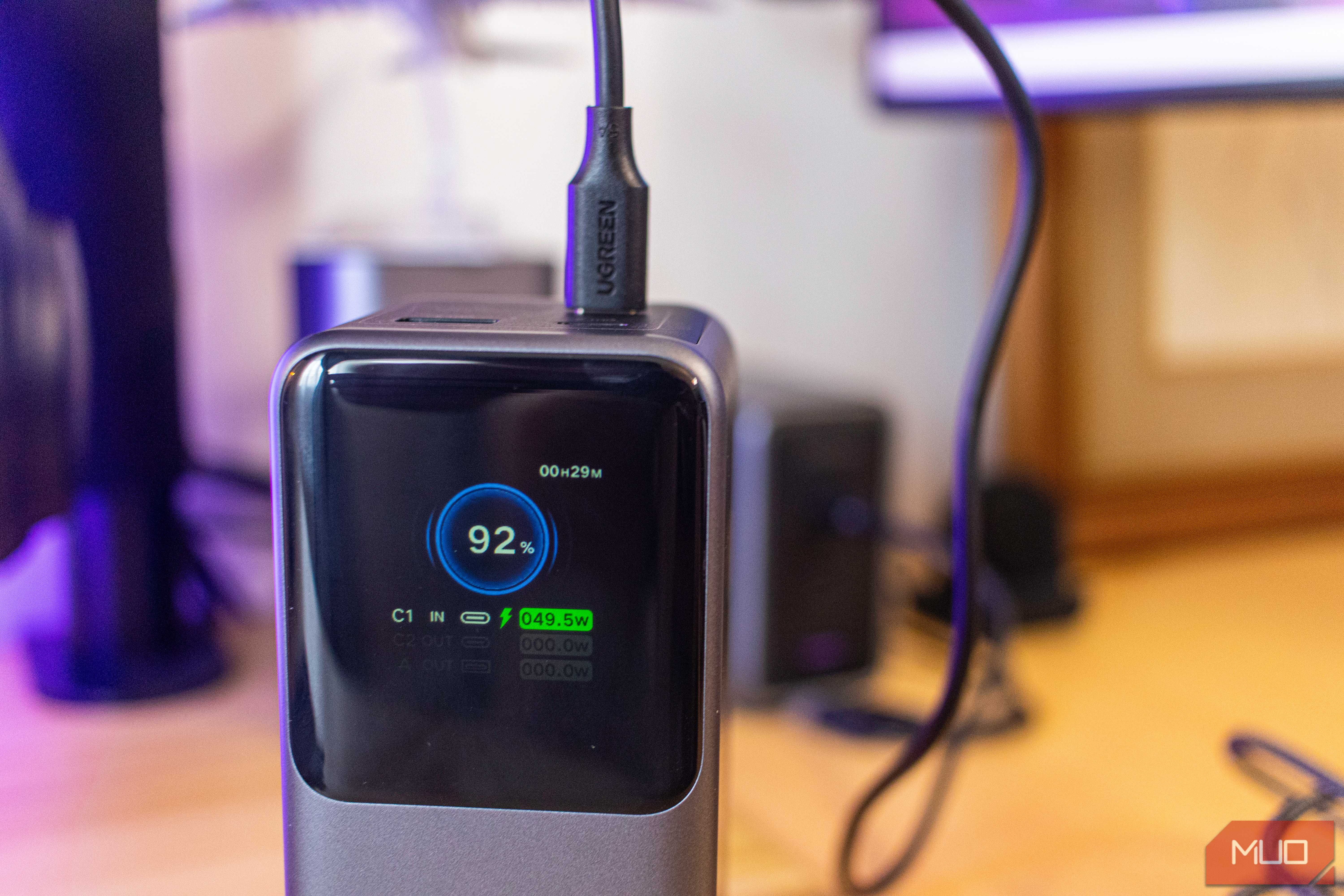
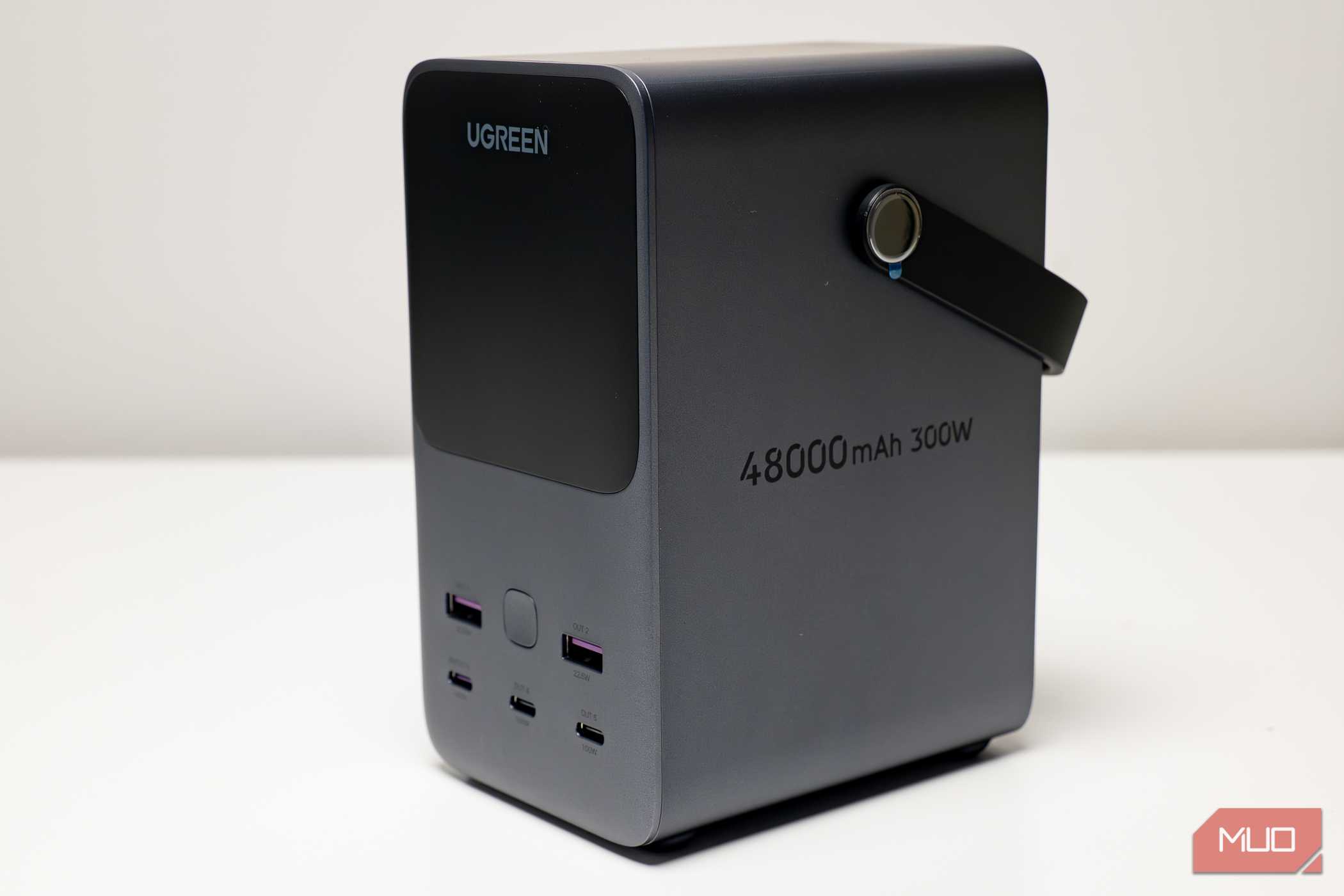
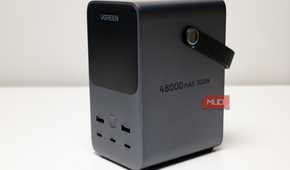
Batteries too large to fly are rare, but they exist. I've tested one, the Ugreen 300W 48,000mAh power bank, with a 153.6Wh capacity. This means it isn't able to fly without prior approval from your airline. While it's a decent power bank for road trips and at-home use, it isn't great for flying.