
Remember me
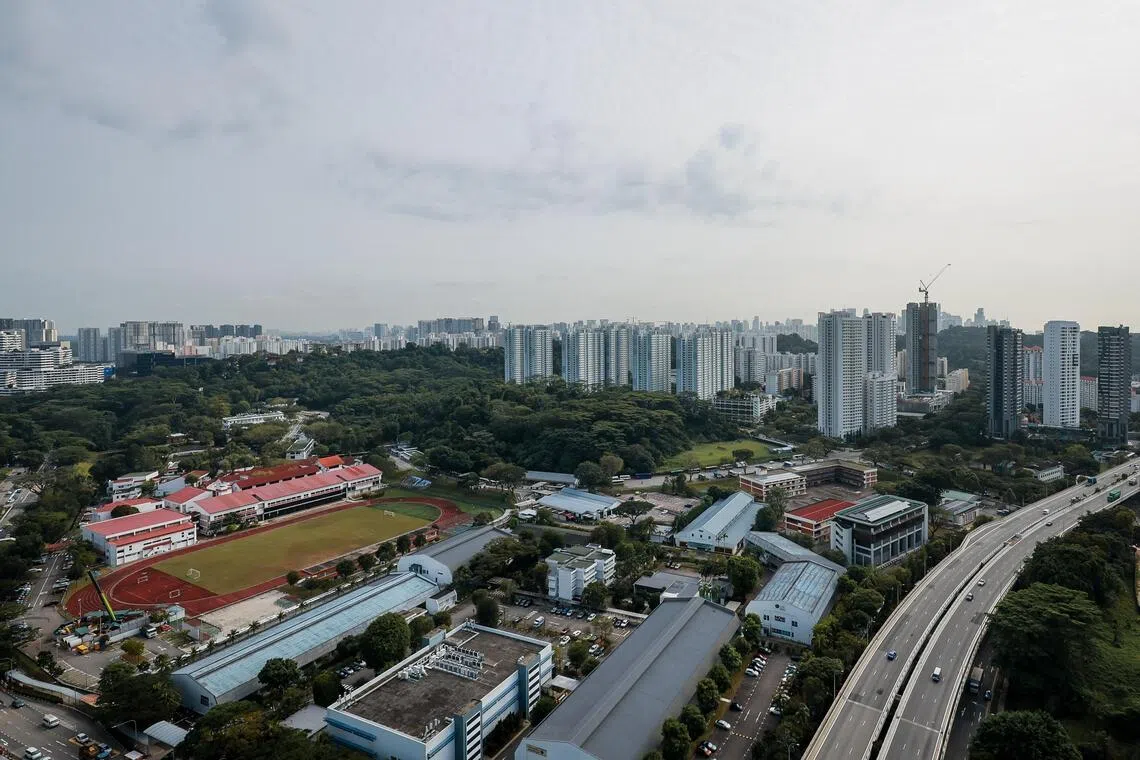








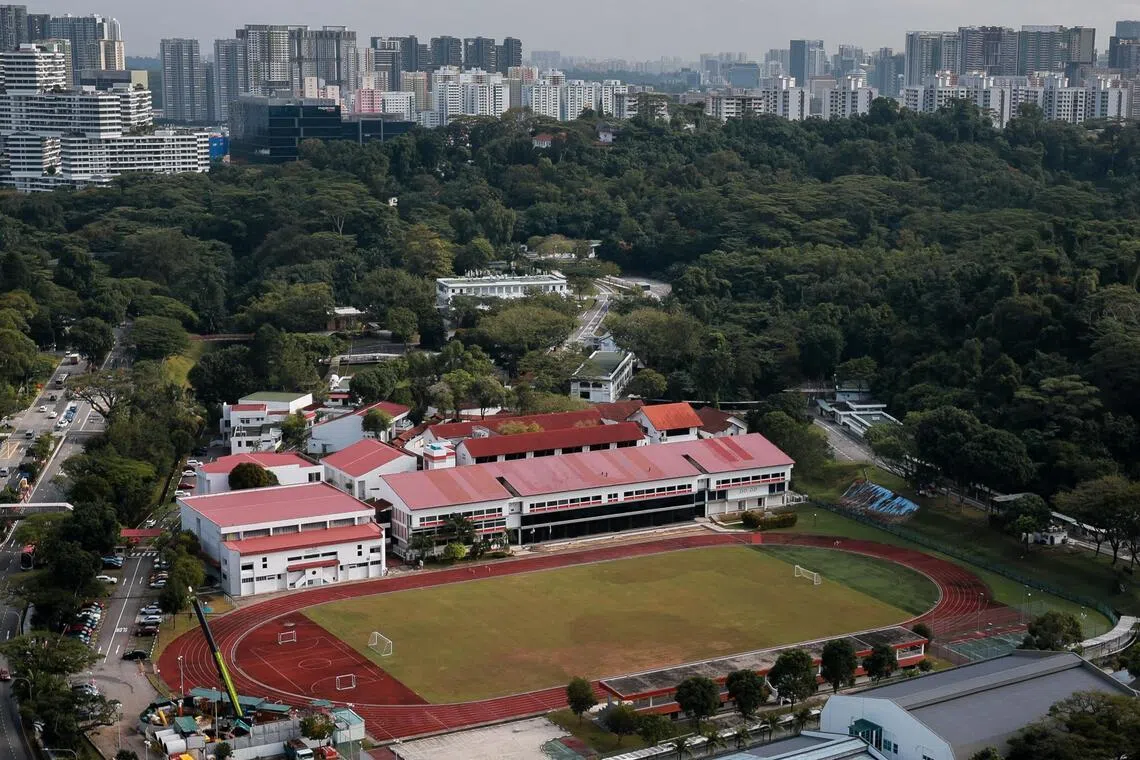
SINGAPORE – Built on the area’s highest hilltop and overlooking the sea and the island, Alexandra School was said to command a glorious view when it was opened in 1939.
The school’s original block – now largely forgotten, except by students and staff of ISS International School, which it houses – is set to become an important link to the past as one of 25 buildings slated to be retained in an upcoming housing estate at Gillman Barracks.
These buildings were among 86 that were assessed in a heritage study ahead of the redevelopment of the former military site for housing. Also assessed were various features and settings at the site.
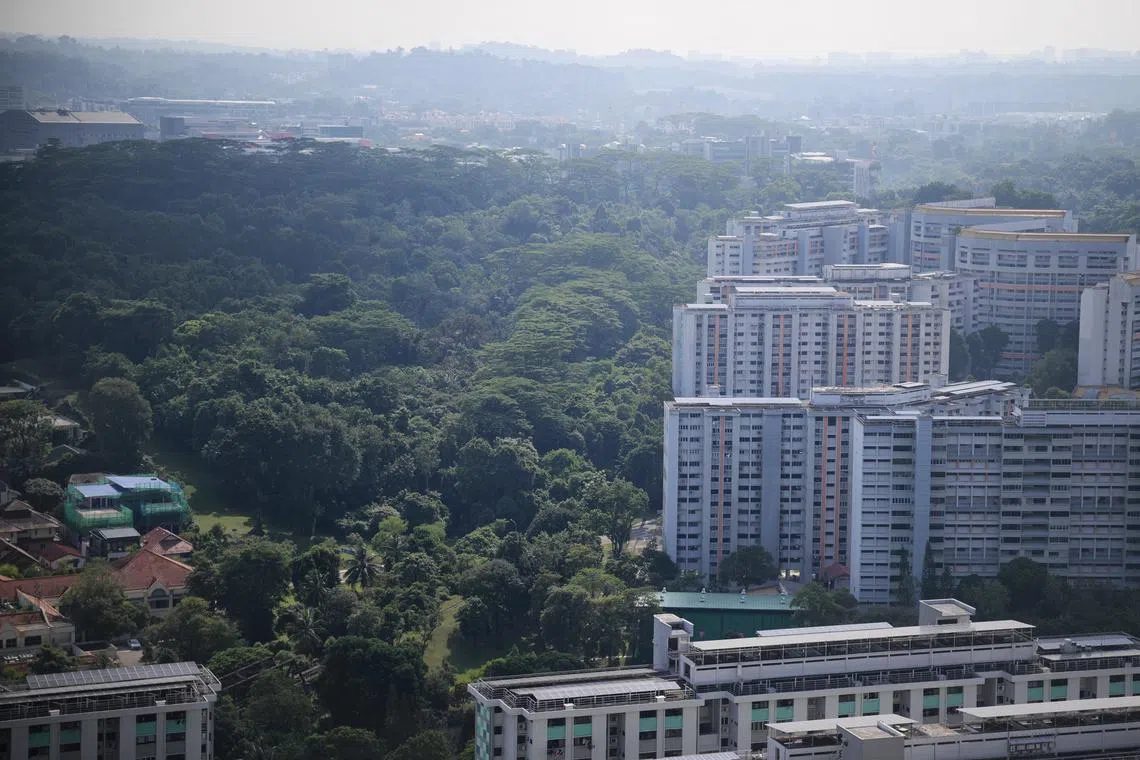
In addition, about a fifth of the 40ha estate – which will comprise public and private housing – will be green areas, including existing greenery, as well as greenery that will be planted.
These plans were revealed by the Housing Board on July 10, as it published reports of heritage and environmental studies carried out on the area, which is now mostly occupied by creative lifestyle, arts, as well as food and beverage establishments.
HDB said in a press statement that along with other agencies, it has worked on a blueprint for the upcoming estate, which will offer residents “a charming and vibrant place to live, with the Southern Ridges and Labrador Nature Park Network providing green respite close to home”.
When plans for a new residential estate at Gillman Barracks were first announced in 2024, it was reported that the tenancies of existing tenants will progressively expire by 2030.
While the board did not state how many homes will be built at the site, the upcoming Berlayar estate nearby – which will have 10,000 homes over a 48ha site that includes 10ha of greenery – gives an indication of Gillman Barracks’ development potential.
The upcoming estate will add to existing homes in Telok Blangah, where public housing was first built in the 1970s, with the latest project completed in 2018.
 Heritage study
The heritage study, conducted by conservation consultancy Studio Lapis, considered various chapters of the site’s history.
These include the mid-1930s to 1971, when the area was a British military camp; the 1970s to 1990s, when it housed Singapore Armed Forces (SAF) troops; as well as when educational institutions such as St Andrew’s Junior College (SAJC) and Pasir Panjang Vocational Institute (PPVI) opened there.
Since the 2000s to the present day, the site has been largely used as an arts and lifestyle destination.
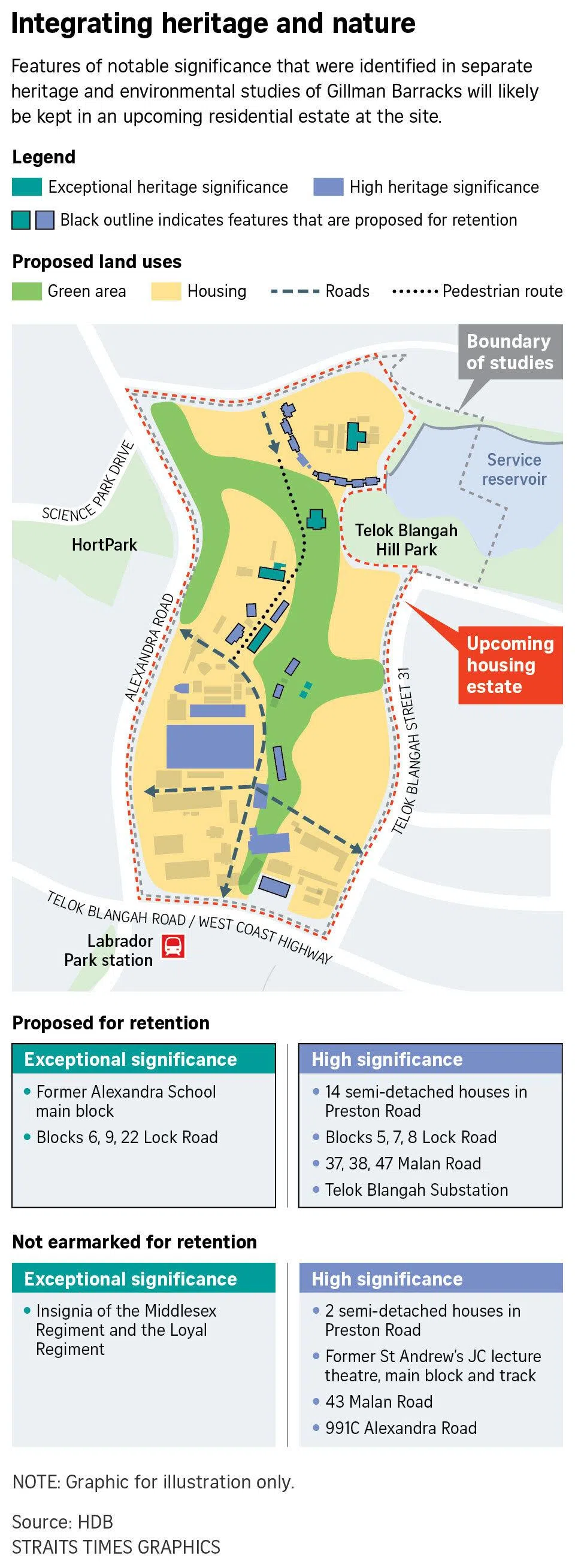
The site’s 86 state-owned buildings were grouped into seven clusters – a school and a housing cluster in Preston Road, two clusters associated with Gillman Barracks in Lock Road and Malan Road, the SAJC cluster, the PPVI cluster, and a final cluster of buildings that provide public utilities for Telok Blangah.
Of all the buildings studied, four were assessed to have exceptional significance. They are the original block of Alexandra School in Preston Road, as well as three blocks in Lock Road that belonged to the barracks – a military camp completed in the mid-1930s that originally accommodated the British Middlesex Regiment.
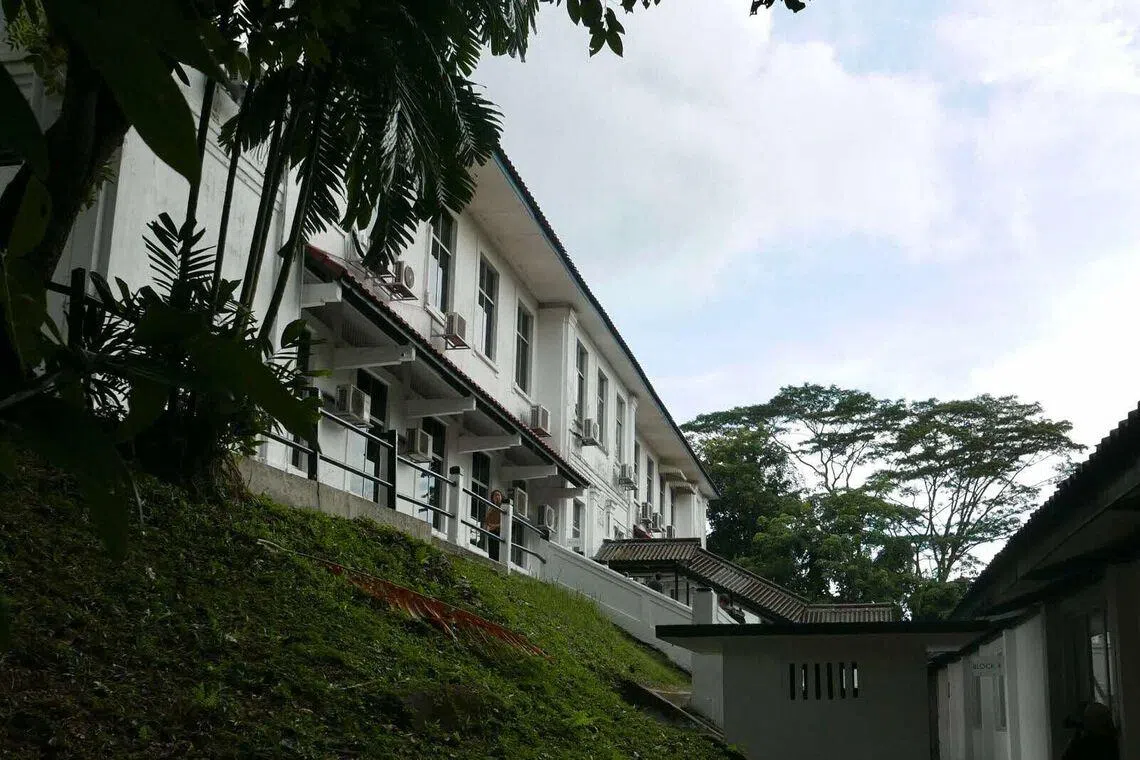
The main block of the former Alexandra School, which is located at the end of Preston Road and opened in 1939.
PHOTO: STUDIO LAPIS CONSERVATION
Of the three blocks, Block 6 housed the headquarters of the Singapore Combat Engineers during the SAF days, while Block 9 was where the British Navy, Army and Air Force institutes were sited, and Block 22 was the sergeants’ mess during the British military days.
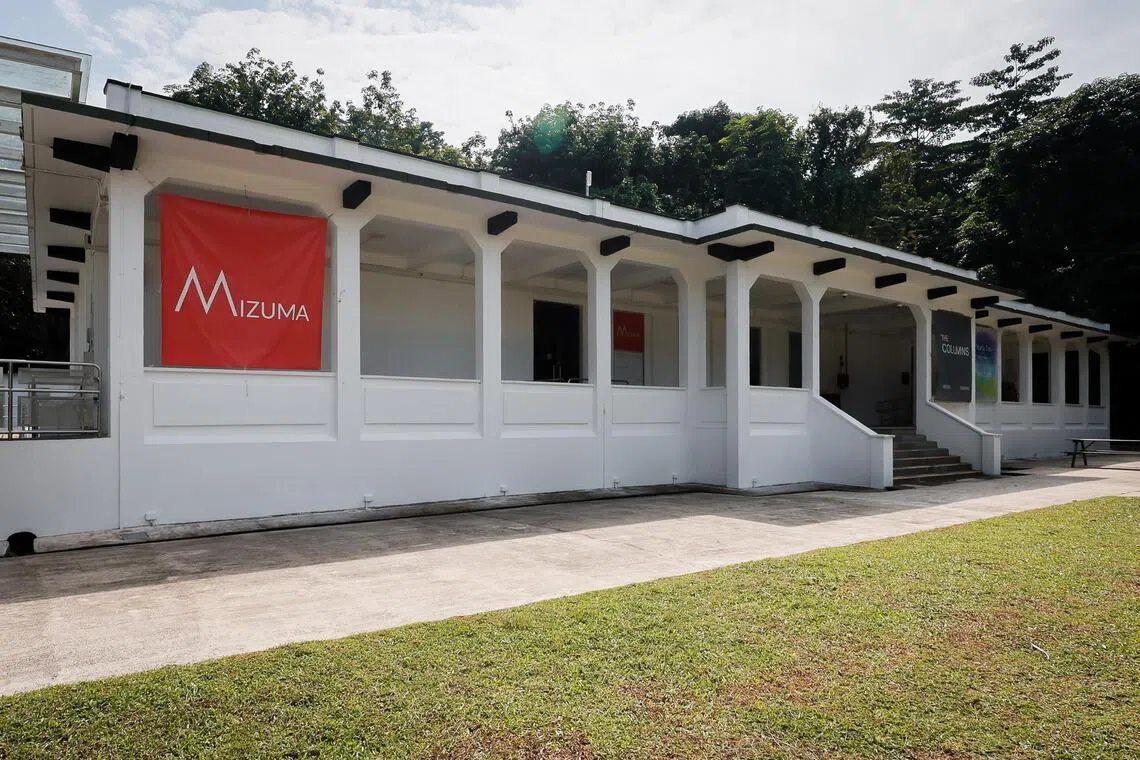
Block 22 Lock Road was once the sergeants’ mess of Gillman Barracks.
ST PHOTO: GAVIN FOO
A further 27 buildings were assessed to be of high significance. HDB said six of these will be demolished as they are in areas required for essential infrastructure such as roads, while 21 will be retained.
This means none of the buildings built by SAJC or the vocational institute – which both officially opened in the 1970s – will be retained based on current plans.
Three buildings and sites that were assessed to be of high significance in SAJC – a lecture theatre, the school’s main block and the track – will be demolished, along with a workshop that students of the vocational institute had used.
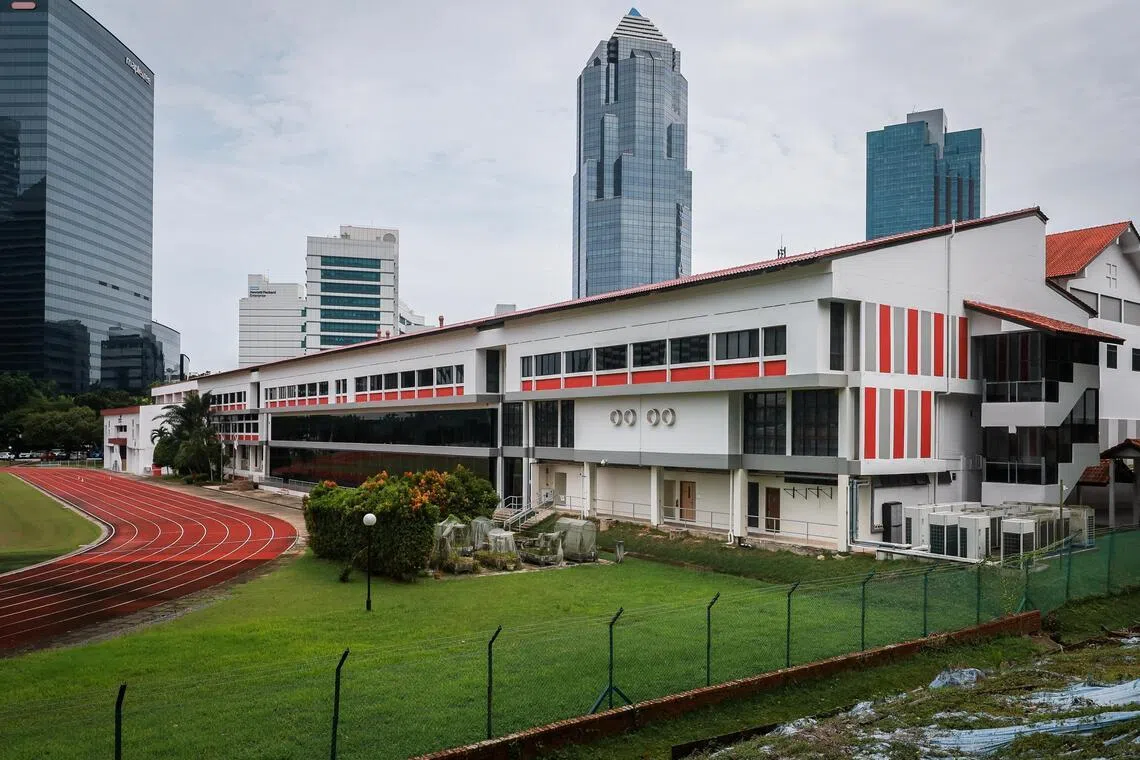
The main block of the former St Andrew's Junior College campus in Malan Road overlooks the school’s track.
ST PHOTO: GAVIN FOO
Among buildings that will be retained are some in the Lock Road cluster which were used for military administration, social and communal facilities, as well as some in the Malan Road cluster, which served utility and support functions, such as workshops, garages and medical facilities.
HDB said some of these former barrack buildings along Lock Road and Malan Road could be repurposed as commercial spaces and amenities to serve the area’s residents, while others could also be put to community use.
In Preston Road, 14 of a string of 16 garrison-style semi-detached houses built between 1925 and 1939, which once housed military personnel and Alexandra School staff, will be kept.
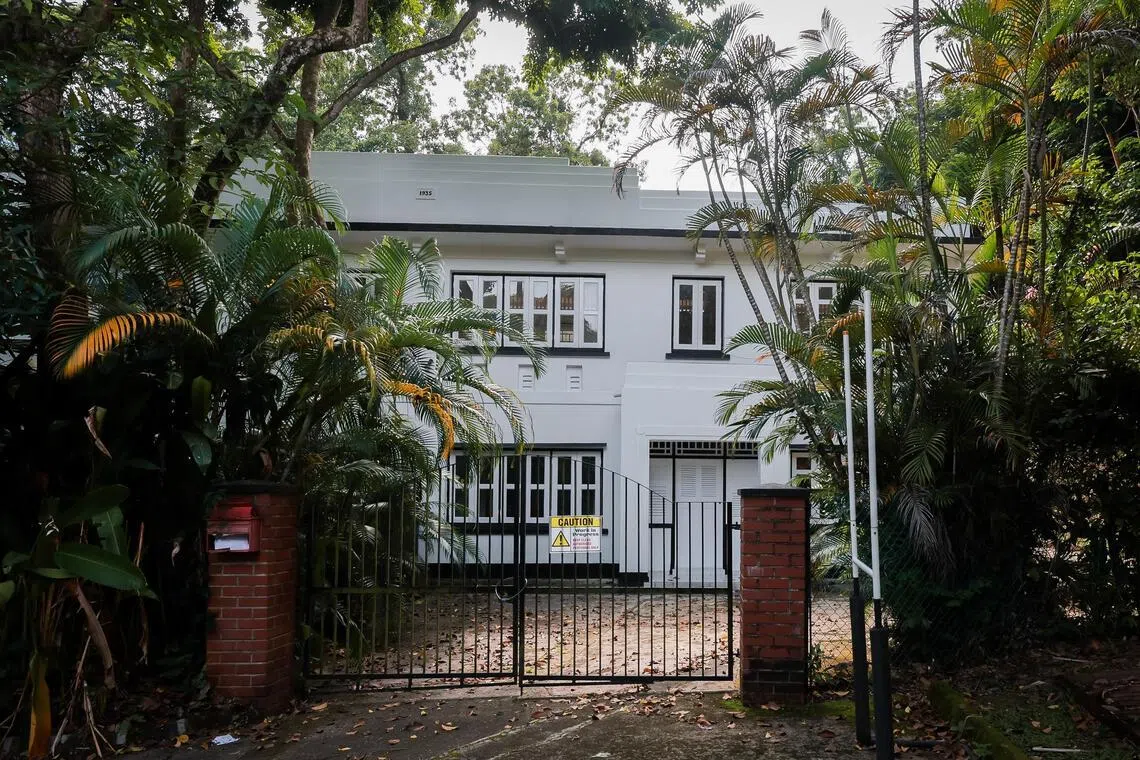
One of the eight pairs of semi-detached houses along Preston Road.
ST PHOTO: GAVIN FOO
Also to be retained is Telok Blangah Substation, which was completed in 1974 and continues to be in operation today.
Designed by architectural firm Kumpulan Akitek, the substation is notable for its modernist facade, which features a bronze-anodised aluminium curtain wall.
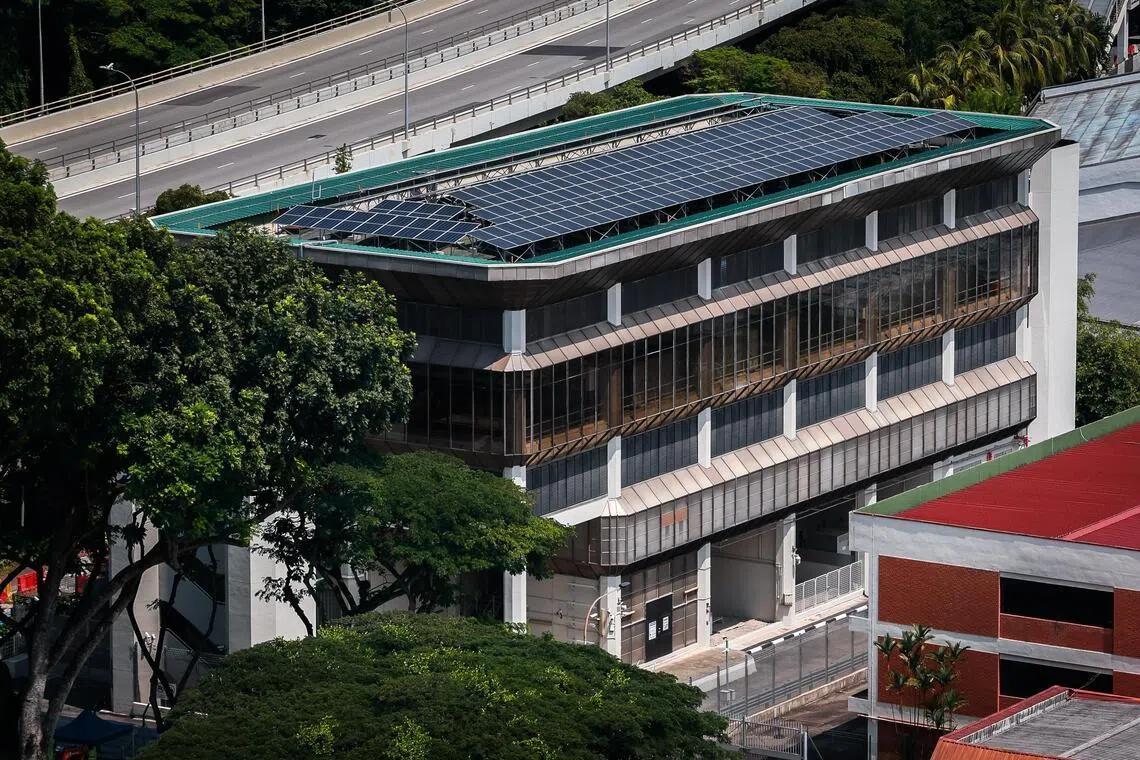
The Telok Blangah Substation, which was completed in 1974 and was essential to providing electricity for the then fledgling new town.
ST PHOTO: GAVIN FOO
The 25 buildings to be retained do not have heritage protections, and HDB said that agencies will consider public feedback in deciding whether the buildings should be conserved.
Ho Puay Peng, professor at the National University of Singapore’s (NUS) Department of Architecture, said he was encouraged that clusters of buildings are slated for retention.
“The buildings have more value in clusters, and their significance is expressed in a group rather than as individual buildings, so taking this approach is the right thing to do,” said Ho.
He added that it would be challenging to keep parts of SAJC and the vocational institute as the area towards the south of Gillman Barracks is low-lying. This means the ground would have to be raised to mitigate flood risks if these parts were to be retained.
Asked about the buildings that will be demolished, HDB said photographic documentation and storyboards could be considered to commemorate the history of the site and its buildings.
Tan Swee Yiow, president of the Real Estate Developers’ Association of Singapore, said incorporating heritage buildings in their developments could be a challenge if the land parcels are too small.
To mitigate this, planners will have to consider the size of development parcels such that new buildings can be inserted sensitively, he said.
He added that the authorities can also consider exercising some flexibility in implementing building rules – such as with the fire code and conservation guidelines – so working with the heritage buildings does not become too onerous for private developers.
Tan said the hilly terrain – especially at the north of the development site – offers an opportunity to build unique, terraced HDB projects that leverage the area’s slopes.
Environmental studyMeanwhile, the environmental study covered 47ha, including the 40ha of land to be developed, as well as 7ha of land north of Telok Blangah Heights that is largely vegetated.
In total, the study recorded 293 plant species on the site, including 22 of conservation significance such as the Ficus sinuata and the Antiaris toxicaria, and 178 fauna species, including 11 of conservation significance such as the straw-headed bulbul, violet cuckoo and bamboo bat.
The HDB said these were concentrated largely in two types of habitats of high ecological value: native-dominated secondary forest and a forest stream.
To minimise impact to biodiversity, HDB said plans for the estate will retain the forest stream and most of the native-dominated secondary forest within the 8ha that has been earmarked for green areas.
There are plans to retain much of the native-dominated secondary forest at the site.
ST PHOTO: GAVIN FOO
In addition, ecological corridors with a width of at least 30m will be safeguarded within the estate, allowing Gillman Barracks to serve as a stepping stone for species travelling between HortPark, Telok Blangah Hill Park, Berlayer Creek and Labrador Nature Reserve.
These corridors will include 5.6ha of existing greenery, as well as 2.4ha of new green areas – especially to the site’s south – that will be planted with native species.
This could facilitate the movement of bird species of conservation significance that have been spotted in both Keppel Club – which is being redeveloped for the upcoming Berlayar Estate – and Gillman Barracks, such as the changeable hawk-eagle, the cinnamon bittern and the oriental magpie-robin.
Lester Tan, a member of the Nature Society Singapore conservation committee, noted that the 30m-wide ecological corridors may be “cutting it a bit too close”, as they offer little buffer space between birds and wildlife.
“Species that once had a huge patch of green will now be squeezed into a small corridor, and this may have implications on how wildlife and humans interact,” said Tan, who added that Telok Blangah residents will lose access to some greenery, which could impact their appreciation for nature in the long run.
He said prioritising native-dominated secondary forests for retention over areas dominated by non-native species is good from a flora conservation perspective, but does not necessary serve fauna well.
“While we tend to value native species more than exotic ones, birds choose whatever serves their needs best,” he said, adding that a more holistic approach to studying the site may involve identifying the forest patches that specific animal species use, and retaining those patches – regardless of whether they are native- or exotic-dominated.
Ho Xiang Tian, co-founder of environmental group LepakInSG, suggested that public agencies could do more to ensure that adjacent public housing developments have connectivity measures for wildlife.
For instance, he noted that while birds may be able to fly over or under West Coast Highway that separates Gillman Barracks from the Berlayar estate and Labrador Nature Reserve, other types of animals will not be able to traverse the highway.
Ho of NUS said having the environmental and heritage studies conducted simultaneously allows the impact of future development plans for the site to be considered holistically.
For instance, he noted that the forest stream that was identified for retention in the environmental study is an essential part of the site’s setting and terrain, which makes keeping it a boon for both ecology and maintaining the area’s landscape.
HDB said that nature and heritage groups have been engaged throughout the planning process for the upcoming estate, and that it will consider their feedback as it refines the concept plan for Gillman Barracks.
Public feedback on the two studies can also be submitted to the board by 6pm on Aug 6.
The board said that feedback received will inform the development plans for the sites. Details such as the eventual housing yield, housing mix, flat classification and development timeline.