Filters: Taking the Hybrid Approach
As client work evolved, particularly in the automotive and commercial space, the demand for motion alongside stills grew. Brands didn’t just want images anymore, they wanted full visual storytelling across multiple platforms. Rather than treating video as a separate discipline, I approached it as an extension of my photography, applying the same attention to light, composition, and detail.
That foundation in photography has really shaped how I shoot video today. I’m always thinking in frames, making sure that every moment can stand on its own as a still image. At the same time, video has pushed me creatively, and has made me think more about narrative, pacing and sound, which in turn has influenced my photography as well.
Now the two sit completely side by side in my work. Being able to offer both at a high level not only adds value for clients, but also allows me to tell more complete, cinematic stories
Q You’ve worked across a number of different disciplines of course, and have filters always had a role to play in most of these, from landscape photography through to the likes of weddings, wildlife, automotive photography and interiors?
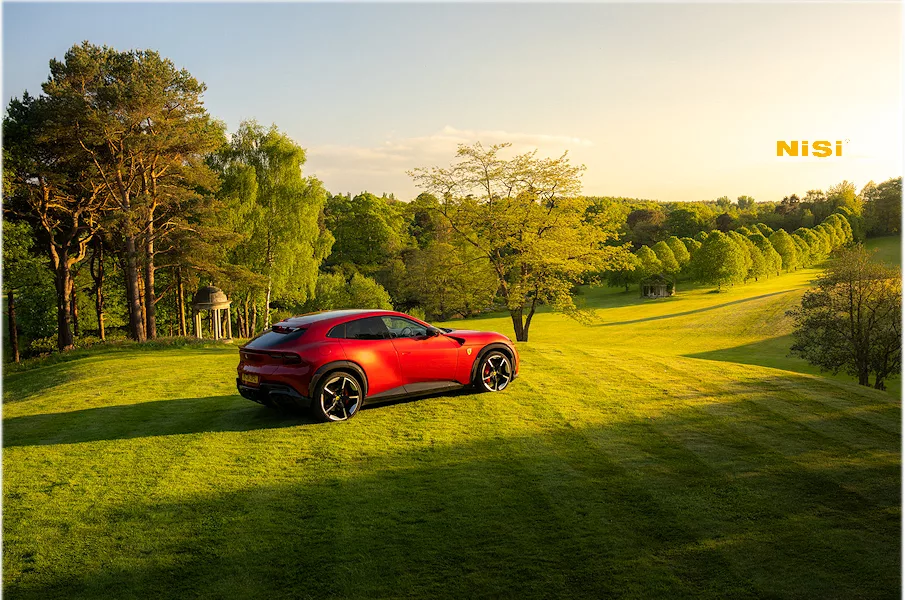
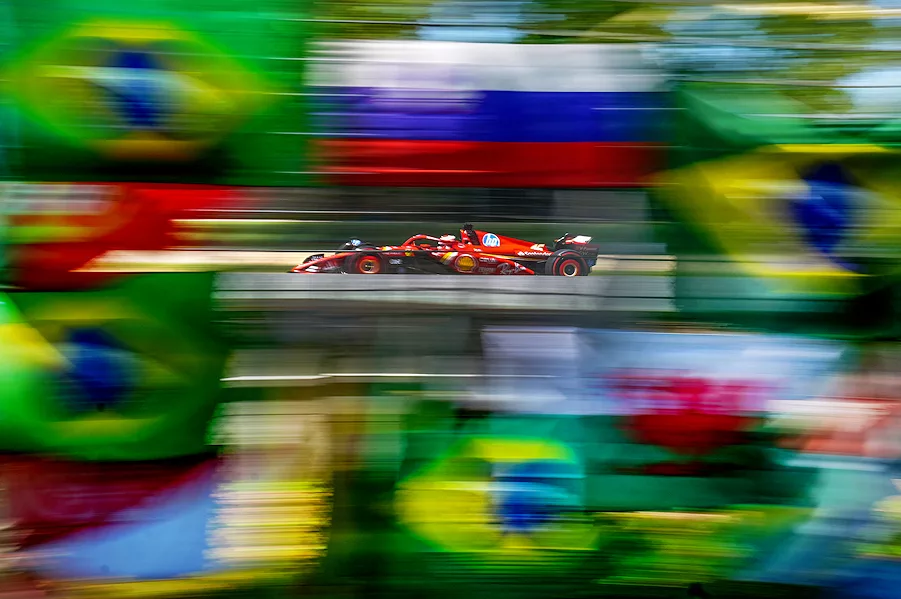
Filters have played an important role in my work, but always in a considered way rather than being something I rely on by default. In landscape photography, for example, ND filters are fundamental. Using them to control light and achieve the right in-camera exposure really shaped how I understood the concept. As my work expanded into automotive and commercial projects, filters became more about refinement. In particular, a polariser is something I use a lot to control reflections and enhance detail, especially when working with cars.
In faster-paced environments, such as weddings or interiors, I take a more minimal approach, and only use filters when they genuinely add value. Wildlife tends to be more about practicality, protecting gear and managing challenging light.
As an ambassador for NiSi UK I’m fortunate to work closely with filters at a high level, but my approach always remains the same across everything I do. I use them with intent, not as a default, and it’s about enhancing the final image or film in a subtle, natural way. Examples of this can be found across the work hosted on my website.
Q What are the NiSi filters you’re most regularly working with please and why?
The filters I use most regularly are part of the NiSi JetMag system, which has become a key part of my workflow, particularly for its speed and flexibility on set. A variable ND is probably the filter I rely on the most, especially when shooting video. It allows me to maintain consistent exposure while keeping the look I want, whether that’s controlling shutter speed for natural motion or managing depth of field in changing light. I use it constantly across both commercial and automotive work.
For higher-end video productions, I often move to the NiSi C5 matte box system. That gives me a more controlled, cinema-style set-up, especially when working with crews or in more demanding lighting conditions. It’s about having precision and consistency, particularly when stacking filters or working quickly on set. Ultimately, it comes down to having a reliable and adaptable system. The goal is always to stay efficient while maintaining complete creative control over the image.