This Might Be Why Your Car Is Eating Through Spark Plugs
The spark plugs in your car's engine are serviceable parts that require periodic replacement. Those plugs are rather durable and would last the life of multiple oil changes, but they do eventually wear out, and usually not without warning. Bad plugs can manifest nasty symptoms like poor fuel economy, sluggish performance, and noticeable misfiring, so it's best to refer to the owner's manual and stick to the factory recommendations on when to replace them.
With that said, older cars with high-compression motors or forced induction will most likely have copper spark plugs that need a new set every 20,000 miles or so. Platinum and iridium spark plugs are more durable and can last upwards of 100,000 miles. Keep in mind that some cars need double platinum plugs, particularly engines with waste-spark ignition systems that require specialized plugs to function optimally. Those, too, have a longer lifespan of 60,000 to 100,000 miles.
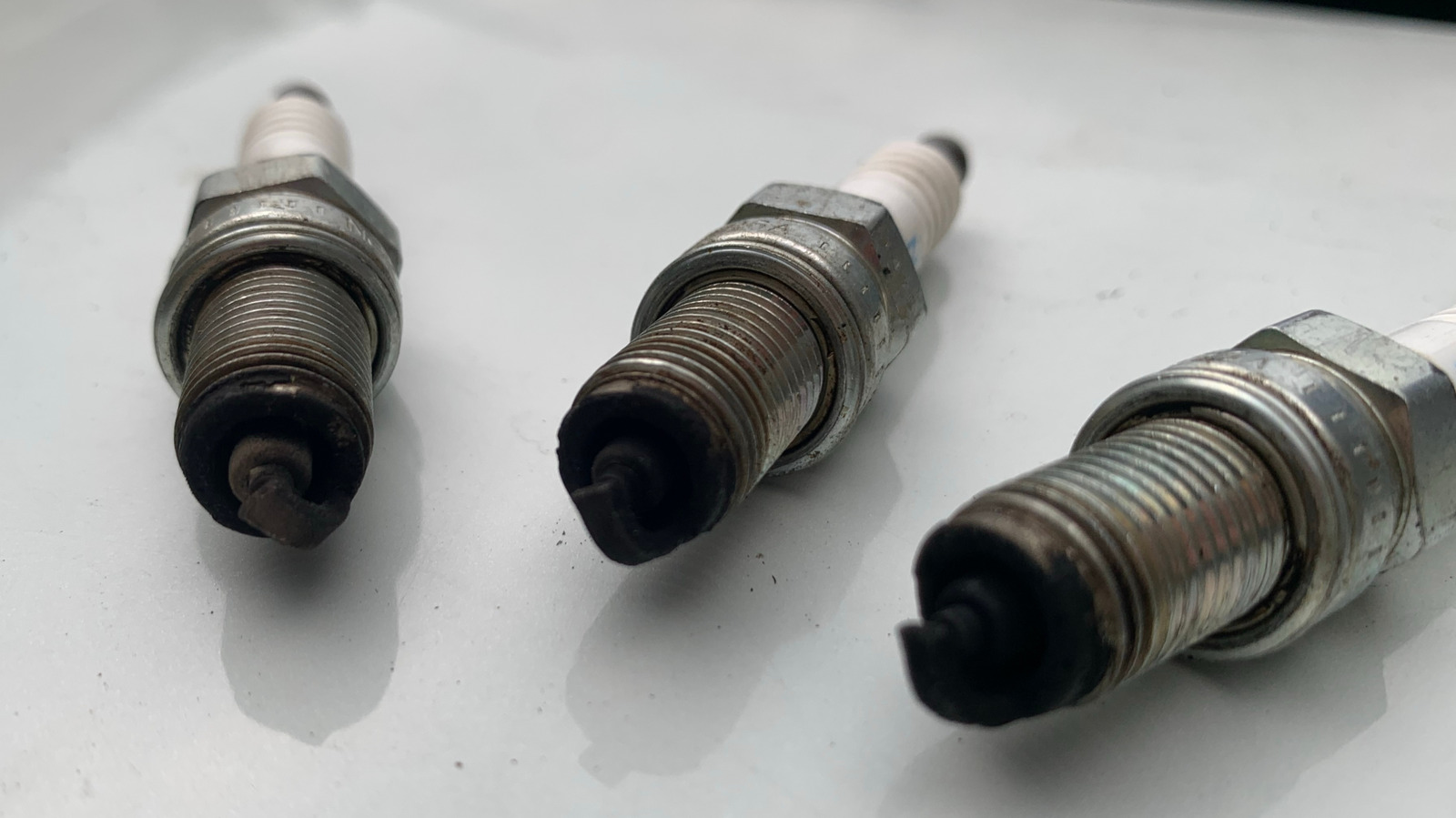
Then again, something else might be wrong if you find yourself replacing the plugs earlier than expected, or if the engine is beginning to display symptoms of bad spark plugs after just a few oil changes. There is no one direct cause that could point to the root of the issue, since plugs can wear out prematurely for many reasons.
Using the wrong spark plugs can wear them out sooner
Spark plugs may all look the same, but looks can be deceiving. Look closer, and you'll find that some have longer tips with smaller thread diameters, while others are shorter but with larger hex sizes. The point is that spark plugs not only come in many types and heat ranges, but spark plug sizes matter, too. Ill-fitting plugs will wear them out sooner, what with all the possible vibrations, misfires, and knocking that comes with it.
More than that, downgrading from iridium to platinum or copper is not advisable, because of the possible incompatibility of the spark plug with the engine's ignition system. Not only will the plugs wear out sooner, but you risk harming the engine and live with the consequences of poor acceleration, hesitation, and unstable idling. Stick to iridium if your engine requires it, but you can upgrade from platinum to iridium as long as you adhere to the recommended product code.
Since we're on the topic of using the wrong things, filling up with low or poor-quality gas will contribute significantly to shortening the spark plug's lifespan. Not only that, but inferior fuel may contain more contaminants like dirt, rust, particles, and water, none of which have any business inside the combustion chamber. Dirty fuel leaves behind more carbon deposits, which can weaken the spark and cause the ignition system to work harder. Ignore it long enough, and your fouled-up plugs won't take long before they take the ignition coils to the graveyard with them, and that could only mean more headaches that need more money to fix.
How you drive plays a role in how long the spark plugs last
Barring engine issues like oil or water contamination (which could point to cracked cylinder heads or blown head gaskets), an inefficient cooling system, dirty injectors, or clogged air filters — all of which can make your engine eat through spark plugs, by the way -– your driving habits play a significant role in making car parts last longer, and that includes the spark plugs.
Lead-footed driving, jackrabbit starts, and hard braking will all put undue stress on your car's engine, transmission, suspension, brakes, and tires. If the engine is stressed, so are the spark plugs, and persistent abuse will undoubtedly lead to premature wear. Moreover, shorter trips will cause the engine to run rich, which could lead to more carbon buildup, and you already know what that does to the plugs, right?
The trick to longer-lasting spark plugs is timely repairs, periodic servicing, and docile driving habits. With those, your engine and vehicle should be good for thousands of problem-free miles.