INVNT on AI, Co-Creation and the ROE Revolution in Events
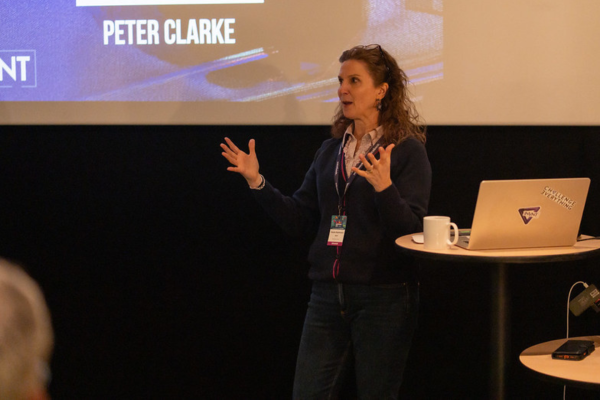
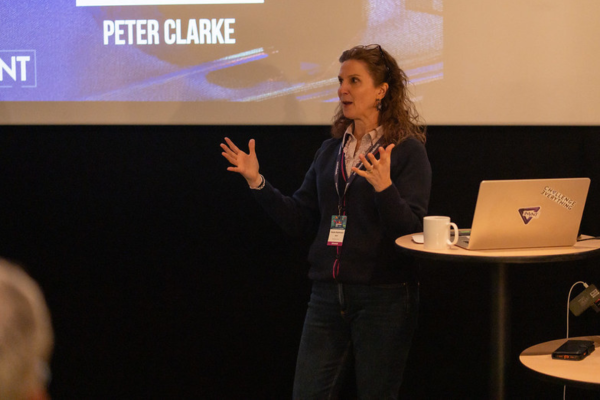
AI might be dominating the conversation right now, but at Northern Edition 2026, one workshop took a step back and asked a more useful question: what is all of this actually doing to events? Led by Claudia Stevenson and Peter Clarke from INVNT, the workshop, The ROE Revolution: AI and the Age of Audience Co-Creation, explored how innovation is reshaping not just the tools we use, but the way we think about experience design and impact. The big idea was simple, but it landed: it’s time to look beyond traditional ROI and start thinking in terms of return on experience.
From ROI to ROE: start with emotion
For years, success has been measured through familiar metrics such as attendance numbers, leads captured and badges scanned. Useful, yes, but increasingly not enough. What Stevenson and Clarke laid out was a shift towards something more nuanced. Not just what people do at events, but what they feel and what they take away with them. As Stevenson explained, this starts with defining the emotional intent before anything else. Rather than jumping straight into production or technology, planners should first ask what they want audiences to feel. Pride, belonging, excitement or curiosity. That emotional point becomes the starting point for how the experience is shaped.
That shift also changes how experiences are designed. Stevenson emphasised the importance of co-creation, moving away from audiences being passive observers towards active contributors. Clarke built on this by introducing the idea of a “narrative gap” – creating intentional space within an experience that attendees can step into and shape themselves. When people contribute, they tend to care more, remember more and are far more likely to share it.
Tech, AI and the role of personalisation
There was a consistent message throughout the session: don’t lead with the tech.
Stevenson stressed that technology should follow the emotional intent, not define it. The focus should be on what you want people to feel and learn first, with the tech coming later as the delivery mechanism. She also cautioned against using AI purely for the sake of it, noting that its value lies in how it is applied within the experience. A good example of this in action came from Xerocon, where INVNT created an AI-powered “music factory” experience. Clarke explained how attendees answered a series of quick questions via iPad, generating a personalised music track, album artwork and band name that could be instantly shared. Stevenson added that the experience was designed to be quick and high-throughput, taking under a minute while still delivering something meaningful for each participant. It had nothing to do with accounting software, and that was intentional. Instead, the focus was on creating a playful, emotional connection with the brand that would resonate beyond the event itself.
Measuring experience, not just attendance
If the industry is moving towards return on experience, measurement has to evolve too. Stevenson pointed to a broader mix of indicators beyond traditional metrics, including sentiment, dwell time, participation levels and social amplification. She also highlighted the growing ability to capture this through digital tools, from tracking engagement to analysing audience responses and behaviour. It’s messier than traditional ROI, but arguably far more reflective of real impact.
AI is accelerating, but people still lead
There was also a healthy level of realism around AI itself. While Stevenson described the rapid pace of development and increasing adoption across businesses, Clarke summed it up more bluntly, comparing the current moment to the “dial-up internet stage” of technology. In practice, both agreed that AI is already proving valuable in accelerating creative processes, from ideation through to content generation, but the core thinking still sits firmly with people. That human element also extends to the experience itself. Clarke reflected that as digital becomes more sophisticated, the value of people coming together becomes even stronger. Stevenson echoed this, noting that in a world where content can be manipulated or generated, there is growing demand for experiences that feel real, immediate and trustworthy.
Strip everything back, and the takeaway isn’t really about AI. It’s about being more intentional. Start with the feeling, design for participation, use technology with purpose and measure what people actually take away from the experience.