Dublin’s derelict property owners face crackdown as council plans to impose levies
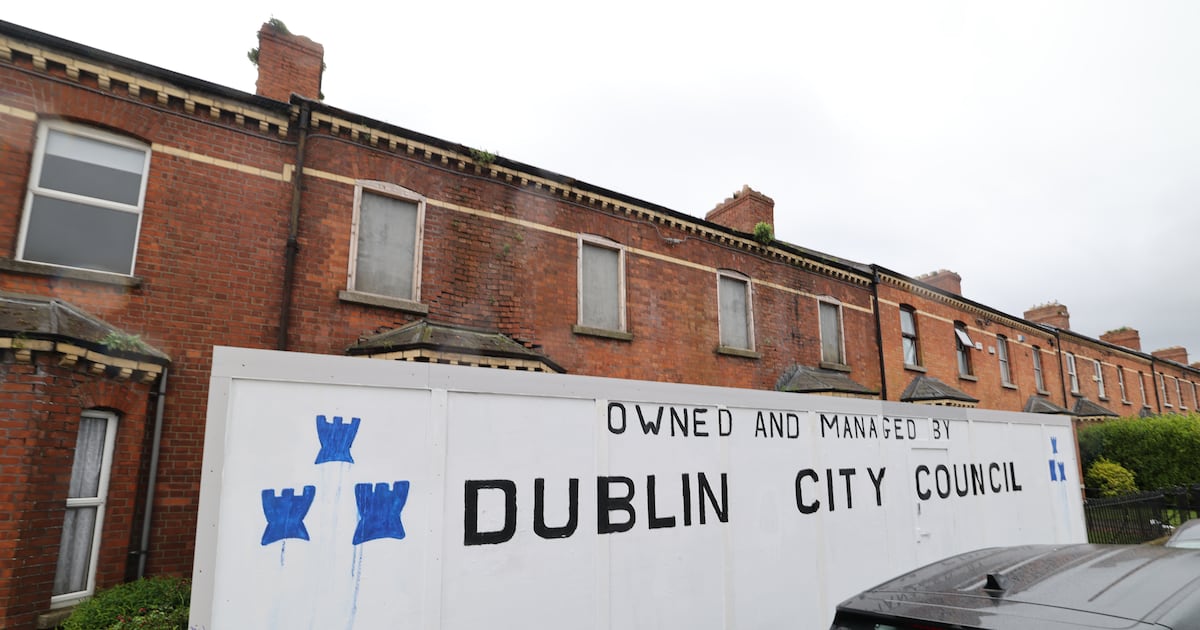
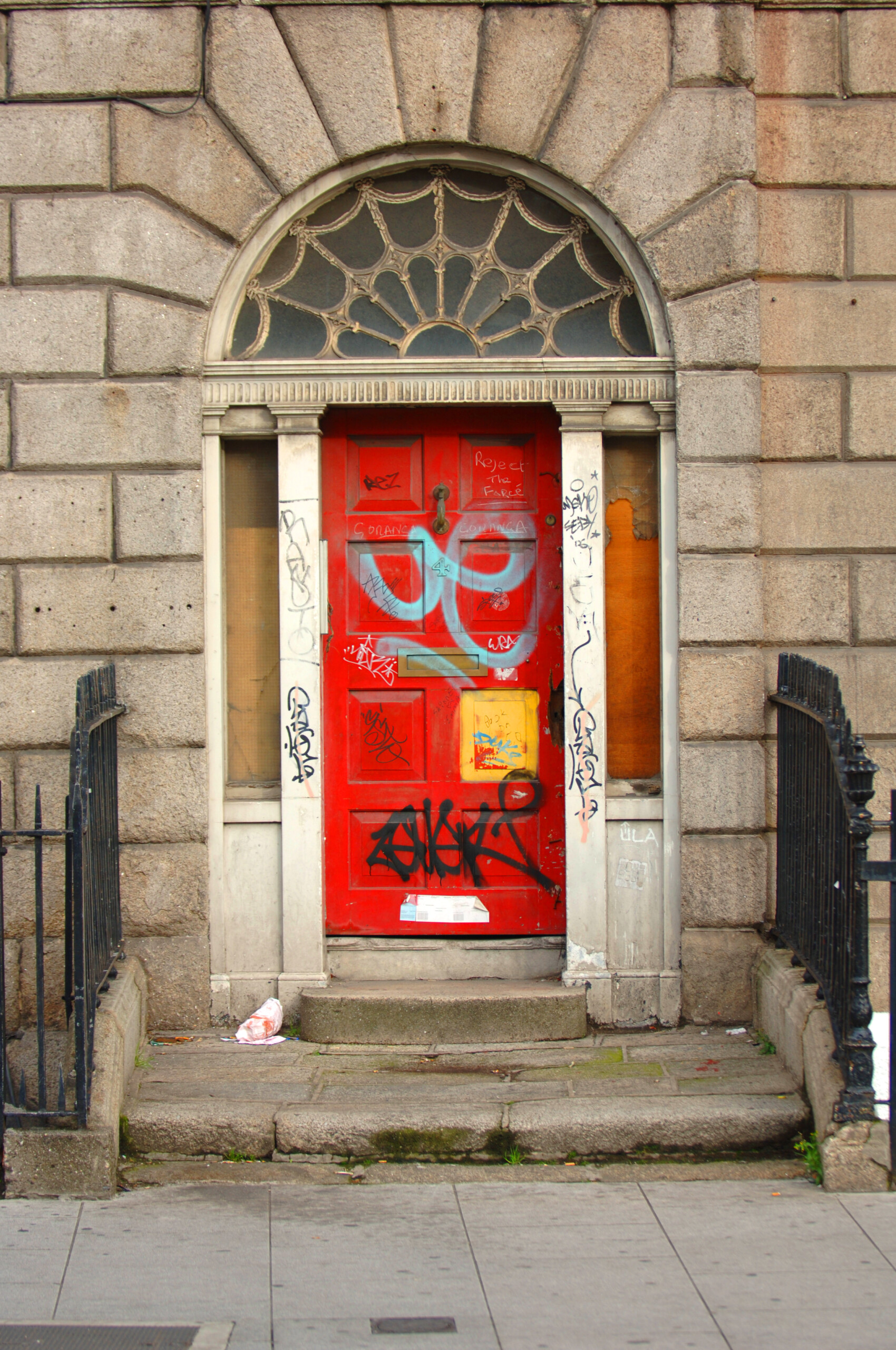
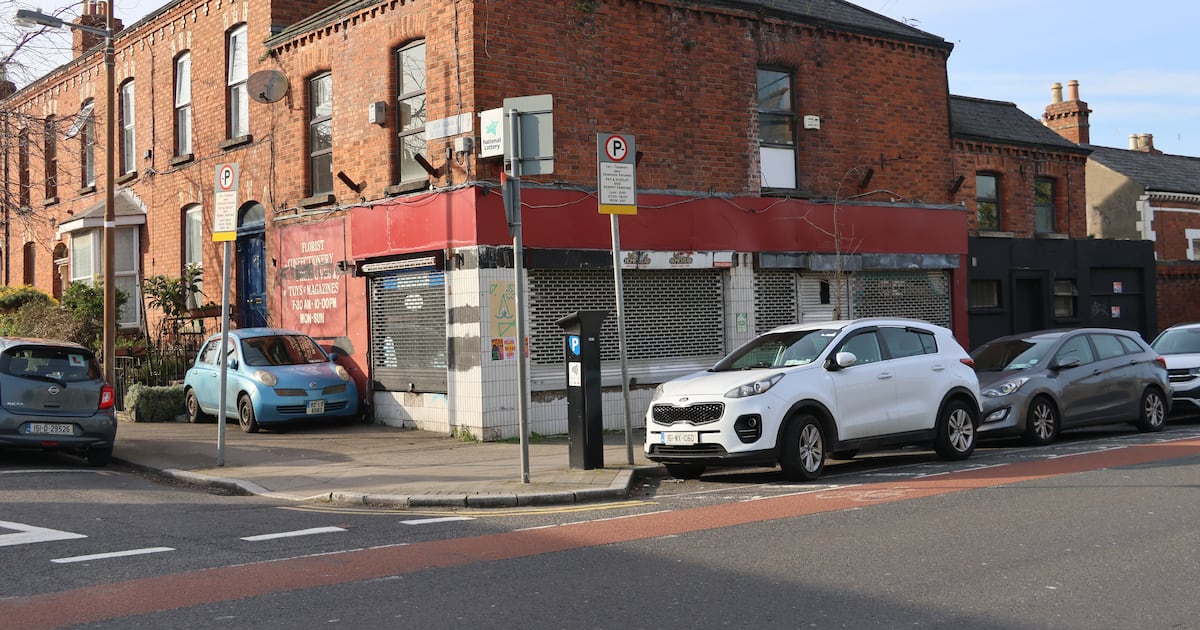
Owners of derelict buildings in Dublin are facing a crackdown under plans to impose millions of euro in levies on more than 350 additional vacant properties. The council will, in the coming months, increase staff levels in its derelict sites section with a view to developing a new citywide map of dereliction and more than trebling the number of sites on the Derelict Sites Register liable for levies, from just under 140 to at least 500 properties.The map is being prepared in advance of the introduction of a new Derelict Property Tax, which will replace the levy and will be collected by the Revenue Commissioners instead of local authorities.[ Why are so many properties derelict in Dublin city centre during a housing crisis?Opens in new window ]In tandem, the council is establishing a new development company or “special purpose vehicle” to regenerate the city centre. This council-owned company will be empowered to borrow money, buy sites and enter into joint ventures, separate from the council or the State balance sheet.READ MOREOne crew member rescued after US fighter jet shot down over IranManager reported 20 claims of financial and legal wrongdoing at Wilson’s Hospital SchoolTrump’s decision to fire devoted Pam Bondi reboots focus on Epstein filesBank of Ireland chief Myles O’Grady: ‘We are seeing, on a grand scale, intergenerational wealth’ The Dublin City Development Corporation will have a mandate to deliver housing on council-owned sites and convert derelict buildings into cost-rental apartments. It will also be able to acquire larger derelict and vacant sites for mixed-use developments with a combination of housing, commercial, retail, community and cultural uses.A total of 138 properties are listed on the council’s Derelict Sites Register, about half of which are in the central postcodes of Dublin 1, 2, 7 and 8. However, another 850 buildings are under “active investigation” for potential inclusion on the register, the council said. It expects that, over the next two years, 500 of those could be added to the register, with owners collectively facing millions of euro in penalties.Dublin Editor Olivia Kelly examines dereliction and vacancy in the capital. Video: Enda O'Dowd Properties on the register are subject to a 7 per cent levy, and interest on unpaid levies of 1.25 per cent per month. However, in practice, the levies remain uncollected unless the property is sold. The council is now owed more than €10 million in outstanding levies, which, if recovered, could be used to offset the cost of additional enforcement staff for derelict sites. The derelict sites section operates with just three enforcement staff.Lord Mayor of Dublin Ray McAdam said radical change was needed to rid the city of the “urban scourge” of dereliction.“Quite frankly, I have always believed the derelict sites section is not fit for purpose to tackle the scale of the problem. The legislation itself does not have sufficient teeth to allow the local authority to grab hold of this problem,” he said.New legislation is expected in the next Finance Bill to replace the levy with a Derelict Property Tax. The rate of the tax has yet to be determined, but will not be less than 7 per cent. A Department of Finance spokeswoman said it was intended that legislation would be in place after the budget and before the end of this year. “Once the tax is legislated for, preliminary registers of derelict properties will be prepared and published in 2027 and the tax will be implemented as soon as possible after this,” she said.McAdam, a member of the council’s Urban Redevelopment Working Group, a joint councillor and senior council management body, said in the meantime, more resources were needed to enable the council to seek permission from An Coimisiún Pleanála to acquire strategically located properties compulsorily where owners could not or would not bring them back into use.“We need more resources to advance cases to An Coimisiún Pleanála. We have not had sufficient resources to bring a level of consistency of approach to that, and that is what we need, because these are buildings that could and should provide homes for key workers in the city,” he said.