FTSE plunges to three-month low and sheds another 240 points as Trump steps up threats to Iran
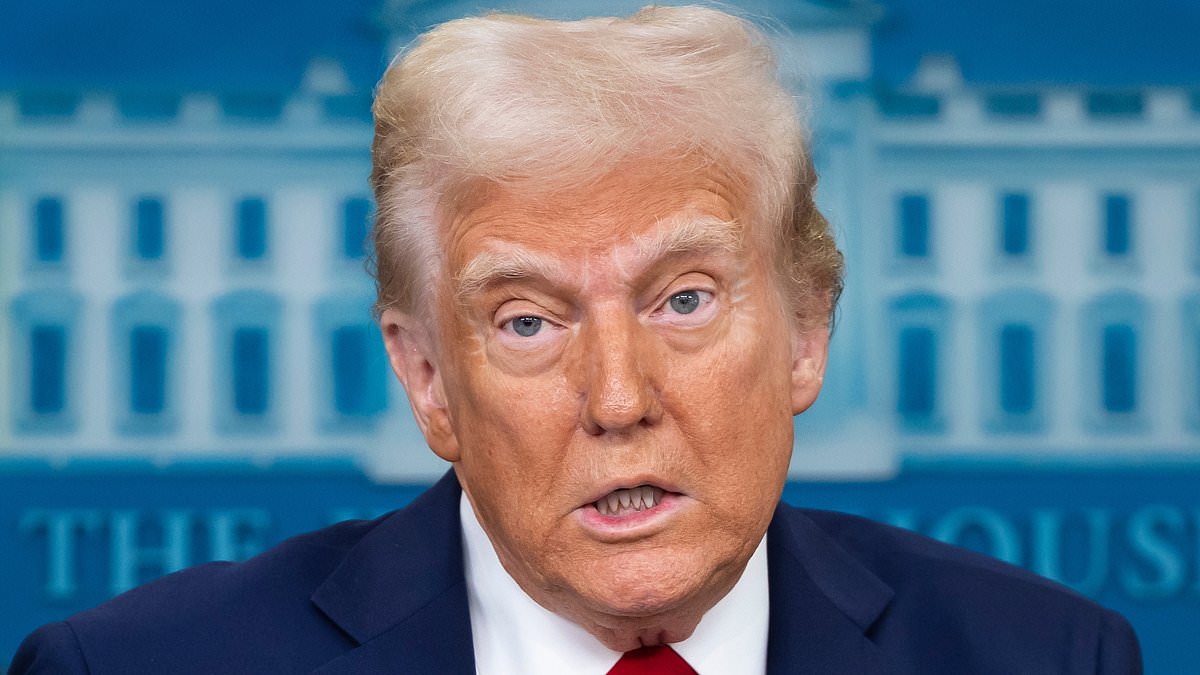
The FTSE 100 plunged into the red once again this morning to reach a three-month low, as President Trump stepped up his threats against Iran over the weekend. London's main index lost 1.75 per cent, or 170 points, at the open, after losing 3.34 per cent last week to finish at 9,918.33, the lowest since the end of December.By 10.45am, it lost 240 points and down 2.4 per cent to 9,673. Investors are retreating after Trump's threats over the weekend to 'obliterate' Iran's power plants if it did not reopen the Strait of Hormuz by the end of today. Iran warned that it would target more of the region's energy sites in retaliation.Reports of preparations being made for US troops on the ground in Iran are also causing concern, as investors brace for a protracted conflict.Elsewhere, Iran declared force majeure on oilfields run by foreign companies, which prompted another surge in brent crude, which reached $118 a barrel at one point last week before closing at $112.19. It climbed 1 per cent to $113 this morning. Trump has told Iran to open the Strait of Hormuz before the end of the day or face fresh attacksChris Beauchamp, chief analyst at IG said: 'Investors who have spent the weekend watching fresh strikes in the Middle East are now waiting to see what will happen when Trump's 48 hour deadline expires tonight. 'But they are in no mood to hang around, and have continued to sell stocks and precious metals.
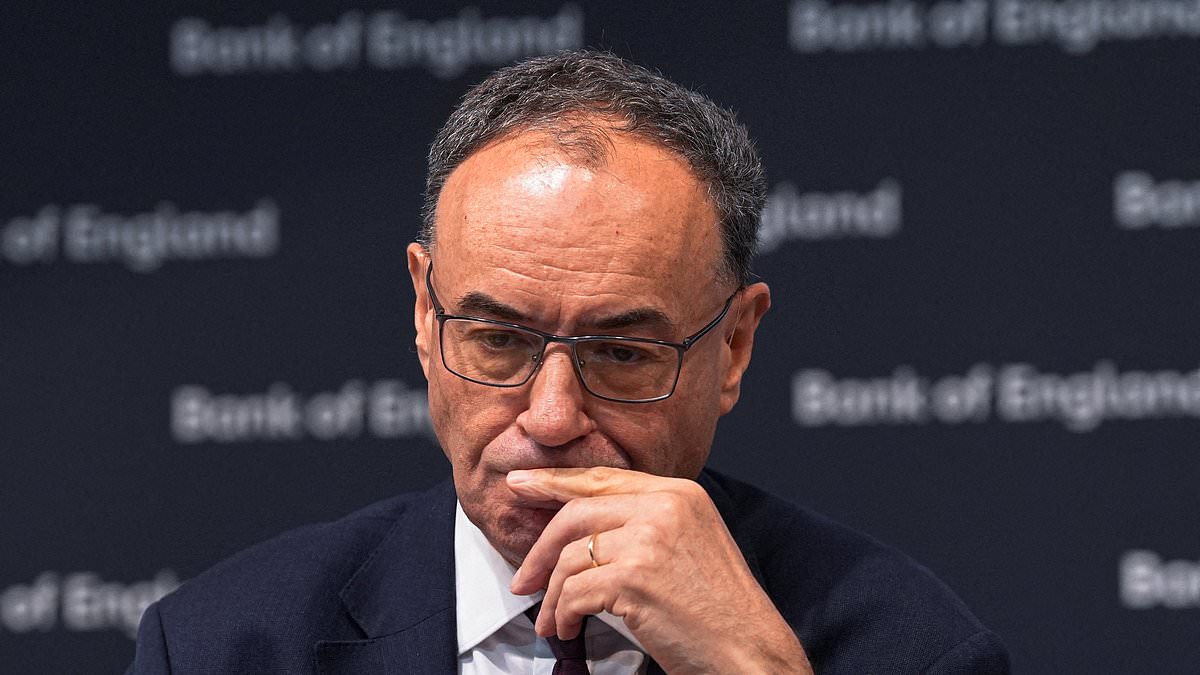
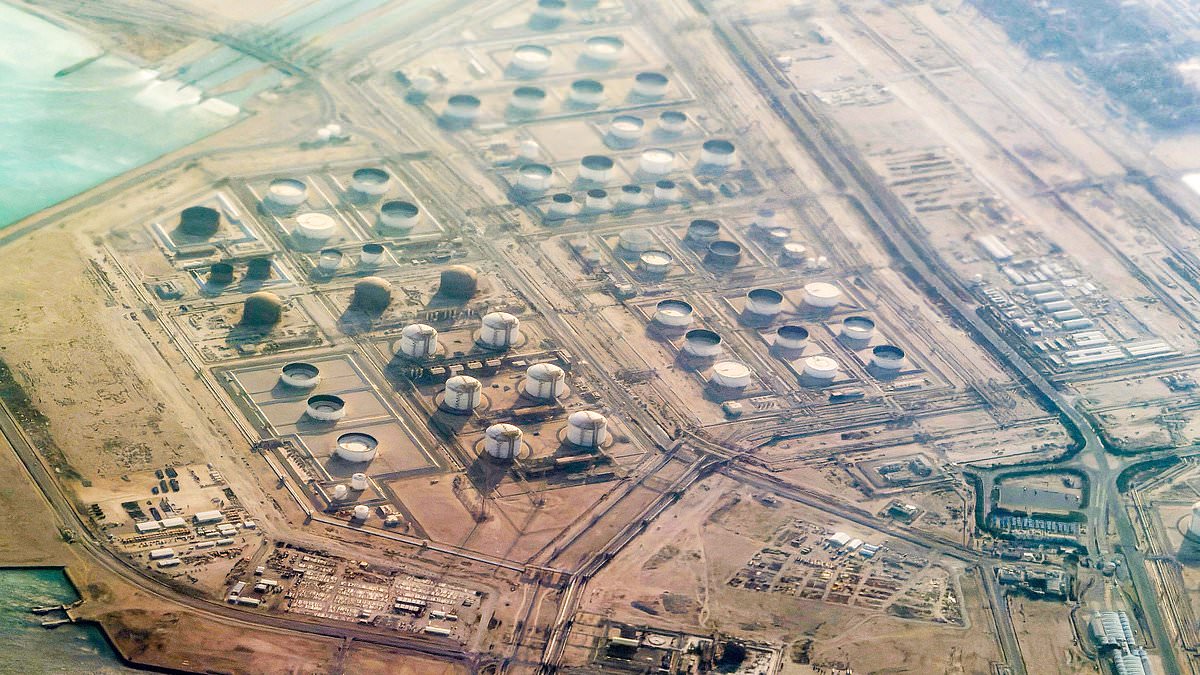
'Each day that the war goes does more damage to the global economy and drives inflation higher, with recession chances rising by the hour.'The conflict has damaged major energy facilities across the region and effectively halted shipping through the Strait. Analysts estimated a loss of 7million to 10million barrels per day of oil production in the region.The International Energy Agency, which agreed a record release of oil to calm markets earlier this month, has warned of a 'very severe' energy crisis. Executive director Fatih Birol said the impact of the war is worse than the two oil shocks of the 1970s put together.Birol also warned that at least 40 energy facilities in the region had been so severely damaged that even an end to the conflict would not immediately restore oil supply.UK gas prices pulled back to around 154p per therm this morning, which, while lower than last week's 170p, sits at a near three-year high.It will add to fears that the UK is facing its worst energy shock in decades, which will squeeze incomes in an already stagnant economy.The Prime Minister will later lead a Cobra meeting with the Chancellor and Bank of England Governor Andrew Bailey, and others, on the economic impact of the war.UK borrowing costs spiked again this morning, with the 10-year gilt yield rose 0.06 percentage points to 5.06 per cent, its highest level since 2008. Investors are 'running out of hiding places with equities surrendering strong early-year gains, yields spiking higher and even gold suffering,' said Richard Hunter, head of markets at Interactive Investor. The precious metal plunged 6 per cent to $4,215 a barrel, given its inverse relationship with the dollar. It brings its losses since the start of the war to more than 21 per cent.DIY INVESTING PLATFORMSAJ BellAJ BellEasy investing and ready-made portfoliosHargreaves LansdownHargreaves LansdownFree fund dealing and investment ideasinteractive investorinteractive investorFlat-fee investing from £4.99 per monthFreetradeFreetradeInvesting Isa now free on basic planTrading 212Trading 212Free share dealing and no account feeAffiliate links: If you take out a product This is Money may earn a commission. These deals are chosen by our editorial team, as we think they are worth highlighting. This does not affect our editorial independence.Compare the best investing account for you
Share or comment on this article:
FTSE plunges to three-month low and sheds another 240 points as Trump steps up threats to Iran