Gas supplies at 'cliff edge' even as Trump announces de-escalation in war with Iran - what does it mean for bills?
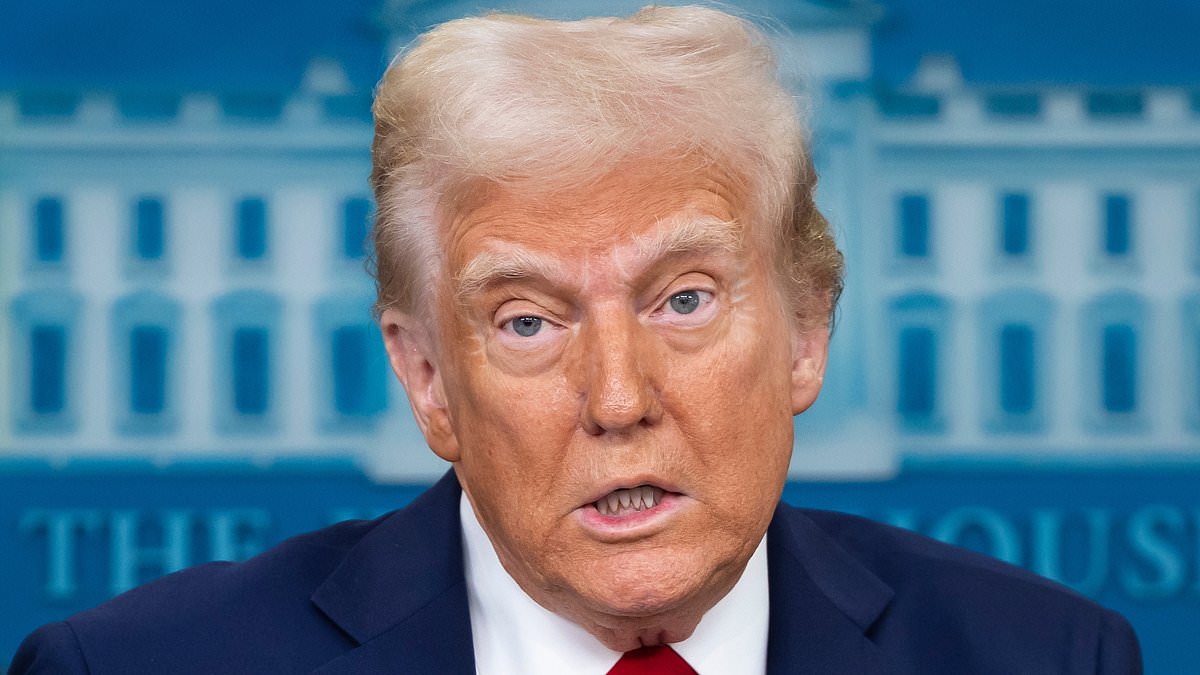
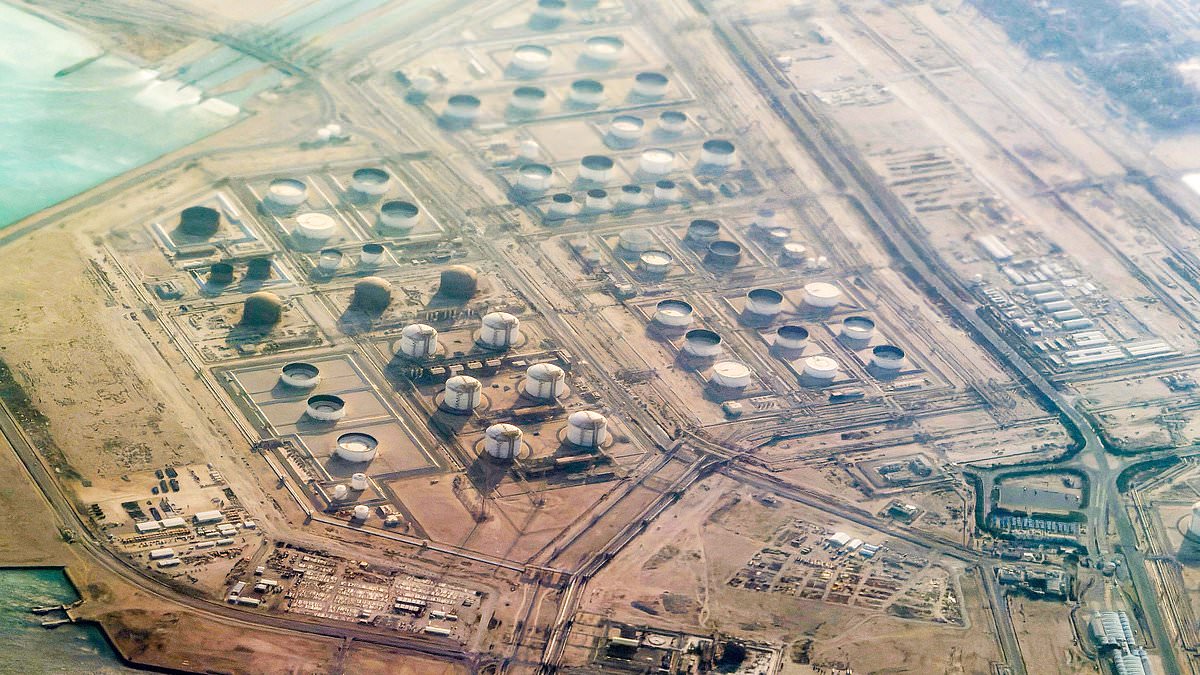
Global markets have breathed a sigh of relief after Trump announced a delay in attacks on energy facilities in Iran.In a Truth Social post, the President said the US and Iran have had 'very good and productive' conversations, and have led to the postponement of 'any and all' US strikes against Iranian energy facilities.Even oil and gas prices are starting to retreat after reaching record highs since the start of the conflict. It should, theoretically, spell better news for households, but analysts warn Trump's latest U-turn is far from an end to the war.While energy prices have fallen because of the news, they remain much higher than at the start of the conflict. And oil and gas supply will remain disrupted if the Strait of Hormuz is not reopened soon, piling pressure on households. Experts say that Trump's U-turn won't end the war and energy prices will remain high Dwindling gas supply could lead to rationingGas prices have been on the rise since the start of the conflict, following disruptions to supply in Qatar and the closure of the Strait of Hormuz.The recent attack on Qatar's Ras Laffan - the main site for the production of liquefied natural gas (LNG) - could take years to recover from, experts have warned.On Monday, Fatih Birol, executive director of the International Energy Agency, said that the severe damage to at least 40 energy sites meant that even an end to the conflict would not immediately restore oil supply.It will all depend on whether the Strait of Hormuz is opened under talks between the US and Iran. Over the weekend, Trump threatened to 'obliterate' Iran's power plants if it did not reopen the Strait of Hormuz by the end of today.While his social media post this morning said the US would pause military strikes against Iran, there was little mention of the Strait.Chris Beauchamp, Chief Market Analyst at IG said: 'Trump has sprung his usual surprise on markets, pausing strikes on energy infrastructure as a result of successful talks.'But this leaves big questions unanswered - Hormuz remains closed, the damage to energy infrastructure is still there and it is unclear whether airstrikes on other targets will continue. 'While this was the headline investors have been hoping for, the fact that Brent has rebounded back above $100 shows that markets remain sceptical.'As tankers transporting gas reach their final destinations in the coming days, the supply of LNG will face a cliff edge, said the Financial Times.
Countries reliant on gas imports, including the UK, will have to pay higher prices to compete for supplies or switch to other fuel sources.They may also be forced to ration oil and gas supplies after the International Energy Agency last week issued demand-side guidance.It advised people to work from home and slow down on the roads as part of a package of emergency measures to combat higher prices.The IEA said the measures, which also include car sharing and avoiding air travel, will help to alleviate 'the largest supply disruption in the history of the global oil market'.UK gas prices may have fallen from their recent high of 174p per therm to 142p this morning, but they are still double the level seen before the start of the conflict.European gas prices have followed a similar trajectory and are up 75 per cent to €57 per MWh.What would it mean for bills?The UK is particularly vulnerable to energy supply shocks because the vast majority of households still rely on gas heating.While most households are protected from rising gas prices until the end of June under the price cap or through fixed deals, any further disruption will be felt in people's pockets.If the Middle East conflict resolves relatively quickly, the impact on households should be minimal, but if gas prices continue to rise, then it could flow through to the price cap by the summer.That's because Ofgem uses the average prices during the three-month observation window, which ends in mid- May, and other related costs.If it takes months to get oil and gas facilities back to full capacity in the Gulf, Britons could start to feel the effect of a higher price cap and fixed tariffs.Last week, energy consultancy Cornwall Insight warned that the average energy bill between July and September of this year could reach almost £2,000.Suppliers are already starting to pull fixed deals from the market. At the start of the conflict, there were 39 tariffs on the market. By last Thursday, there were only 18 available.While Trump has indicated a willingness to de-escalate the conflict, Iran will also need to agree to the terms, which seems out of reach at this point.And if oil and gas prices stay higher, there will be further-reaching consequences. Rising energy prices will add to inflation expectations, and with traders pricing in four interest rate hikes this year, it will add to borrowing costs not just for the government, but for consumers and companies too.SAVE MONEY, MAKE MONEY4.68% cash Isa4.68% cash IsaTrading 212: 1.08% fixed 12-month bonus£100 cashback£100 cashbackTransfer or fund at least £10,000 with Prosper6% cash Isa6% cash IsaIncludes 2% boost for three months£3,000 cashback£3,000 cashback1% cashback up to £3,000 when transferringEarn up to £3,000 Earn up to £3,000 £100-£3,000 cashback for joiningAffiliate links: If you take out a product This is Money may earn a commission. These deals are chosen by our editorial team, as we think they are worth highlighting. This does not affect our editorial independence. Terms and conditions apply on all offers.