Chancellor under siege as Middle East turmoil torches her spending rules
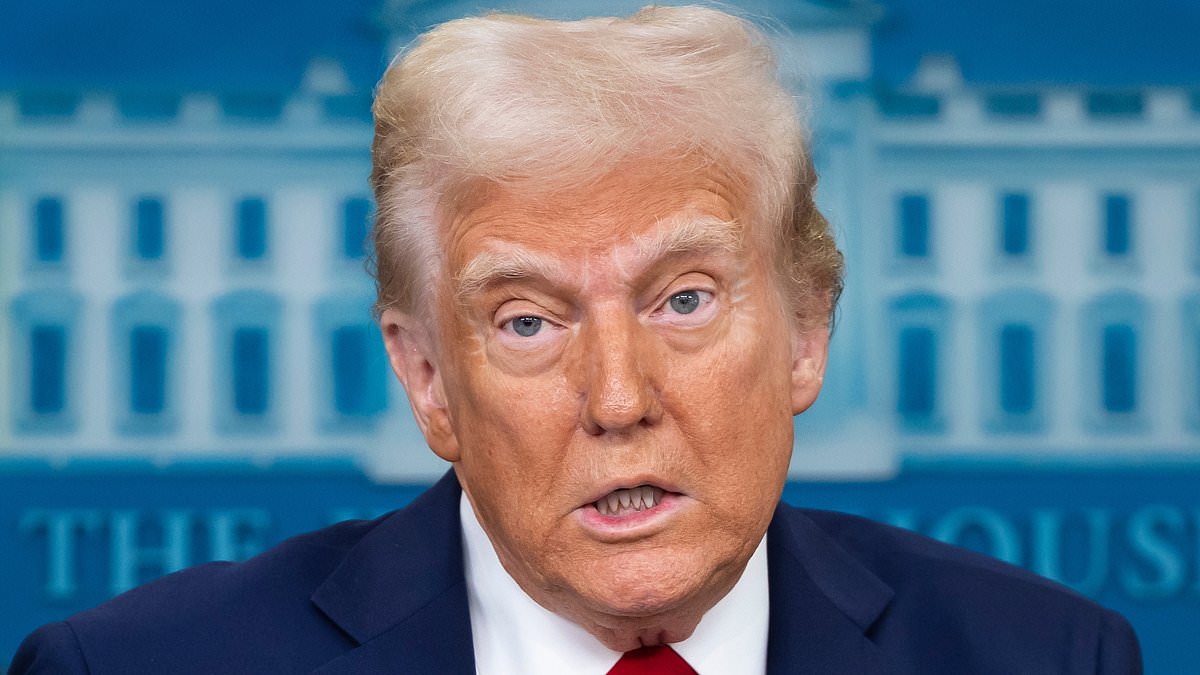
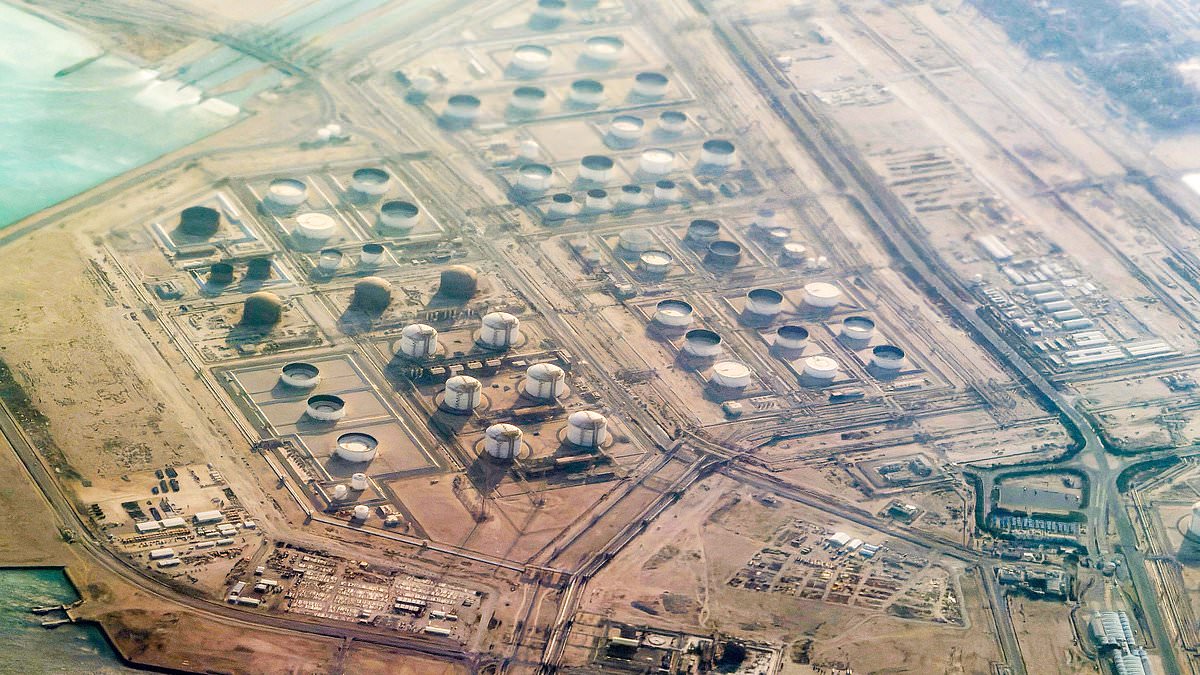
As tit-for-tat strikes by Iran and Israel on key gas plants in the Gulf sent energy prices soaring last week, it wasn't just refineries that were going up in flames. Just over 3,000 miles away, on a trade mission to Madrid, Rachel Reeves could only watch as her 'ironclad' fiscal rules were also being torched.Uniquely among major economies, the Chancellor has left Britain's public finances perilously exposed to external shocks such as the surge in the price of oil and gas caused by the Iran war.As the conflict enters its fourth week, calls are growing for another energy bailout to shield households from higher fuel bills. These are set to rise by £332 to £1,973 a year for a typical dual-fuel household when the energy price cap is reviewed in July, according to the Cornwall Insight consultancy.A protracted war in the Middle East could send inflation spiralling more generally, hitting everything from food prices to air fares, and forcing the Bank of England to put up interest rates.Millions of borrowers and mortgage payers now face up to four base-rate rises this year. That would push the benchmark cost of borrowing back to 4.75 per cent – not far off the 5.25 per cent peak hit in 2023 when the Bank of England was fighting double-digit inflation.Against this grim backdrop traders are already voting with their wallets. On Friday they again dumped gilts – Government IOUs – after dire figures showed Government borrowing and debt interest costs had ballooned in February. Debt bomb: Chancellor Rachel Reeves is under mounting pressure from MPsThe yield – or interest rate – charged on ten-year gilts leapt above 5 per cent for the first time since the 2008 financial crisis (see graph). Worse, the size of the national debt relative to the output of the economy, or gross domestic product, has doubled in the past 18 years, making the debt burden much greater.The bond sell-off was a damning verdict on the anaemic state of the economy under Reeves. She is the guardian of the public purse, but it is in a particularly poor position to weather the gathering storm – let alone dispense more handouts.Despite clobbering firms and families with huge tax rises, the Chancellor's decision to borrow more to pay for higher welfare costs has left her with little wiggle room to meet her own fiscal rules.These include matching day-to-day spending on public services with tax receipts by the end of the decade to keep febrile financial markets on board. But after increasing the headroom, or safety buffer, in her last Budget, Reeves still only has £24 billion to play with – a historically low amount.That is only half the cost of the energy price guarantee introduced by the Tory Government after Russia's invasion of Ukraine in 2022 sent prices rocketing.'The fragility of our economy is about to be exposed,' Shadow Chancellor Sir Mel Stride told The Mail on Sunday. Richard Hughes, ex-boss of the Office for Budget Responsibility, recently told MPs Reeves' rules were 'among the loosest' since they were introduced in 2010 to curb debt-fuelled spending and had 'done little' to build fiscal resilience. He also suggested the buffer should be over £50 billion to give the Treasury more space to respond to shocks.The rising cost of servicing the Government's huge debt is already gnawing away at that wafer-thin buffer. If higher borrowing costs persist into the autumn they would shrink that headroom by £10 billion, said Dennis Tatarkov, senior economist at accountant KPMG.Reeves is also under pressure to perform another U-turn by scrapping a planned 5p a litre rise in fuel duty from September, which would prove popular with motorists already facing higher prices.But extending the fuel duty freeze would bring the total cost of taxpayer support for drivers to £150 billion since it was introduced in 2011, according to Gideon Salutin of the Social Market Foundation think-tank. He added: 'Should the Chancellor maintain fuel duty's frozen level, she will bake in nearly £17 billion in more losses over the next four years.'Such a hit to the public finances would hole the Chancellor's fiscal rules below the waterline and cast further doubt among the investors who lend to Britain about its ability to pay its way in the world.And that's before the planned increase in defence spending.One 'known unknown' is sterling. So far it has held up fairly well at about $1.34 against a resurgent dollar, which has rallied across the board as investors seek a safe haven from the Gulf storm.But traders have been steadily ramping up their bets against the pound to levels last seen just before the disastrous Liz Truss mini-Budget in 2022, when a run on sterling saw its value sink almost to parity with the US dollar.If they are right and the pound weakens again it would mean higher import prices. That would fuel inflation and be likely to lead to even steeper borrowing costs for the Government, businesses and households as interest rates rise to combat higher import costs.But some experts think a repeat of 2022 – when the value of UK assets such as sterling and gilts collapsed in tandem – is unlikely.'The Persian Gulf and Strait of Hormuz are critical for global energy supply, but not freight or manufactured goods,' said Andrew Wishart, economist at investment bank Berenberg. 'Measures of container shipping and bulk shipping costs are steady.'They soared after Covid restrictions were eased. And since then the number of job vacancies has halved while unemployment has risen from 1.3 million to 1.9 million, reducing the risk of another wage-price spiral, Wishart said.Even so, he has cut his UK growth forecast this year from 0.9 per cent before the war to 0.6 per cent due to the energy price rise.This is based on the Bank of England keeping interest rates on hold at 3.75 per cent, but he warned: 'If it instead raises them, as investors expect, a recession would become a serious possibility. In that case, without spending cuts or further tax hikes the Government would surely miss the fiscal rule in the Budget forecast in the autumn.'The Treasury said: 'We have the right economic plan and that includes this Government's commitment to its non-negotiable fiscal rules being ironclad.'Reeves may still buckle to her backbenchers baying for bailouts by bending the fiscal rules again, but financial markets are unlikely to be impressed. They are already demanding more for lending to Britain than to any other advanced economy and at levels well above those of the Truss era. It seems the moron premium for perceived inept economic policies is back with a vengeance.DIY INVESTING PLATFORMSAJ BellAJ BellEasy investing and ready-made portfoliosHargreaves LansdownHargreaves LansdownFree fund dealing and investment ideasinteractive investorinteractive investorFlat-fee investing from £4.99 per monthFreetradeFreetradeInvesting Isa now free on basic planTrading 212Trading 212Free share dealing and no account feeAffiliate links: If you take out a product This is Money may earn a commission. These deals are chosen by our editorial team, as we think they are worth highlighting. This does not affect our editorial independence.Compare the best investing account for you