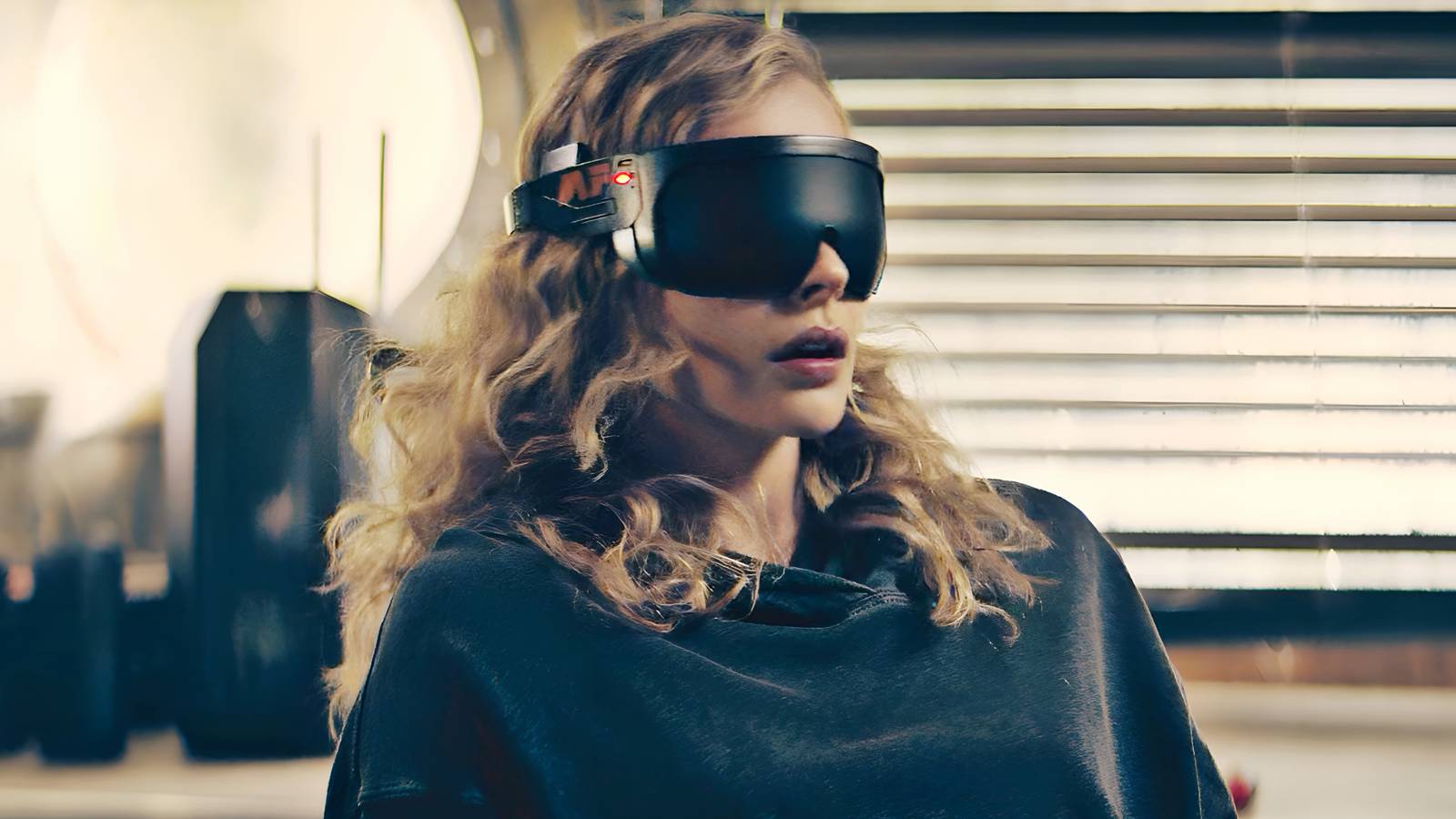
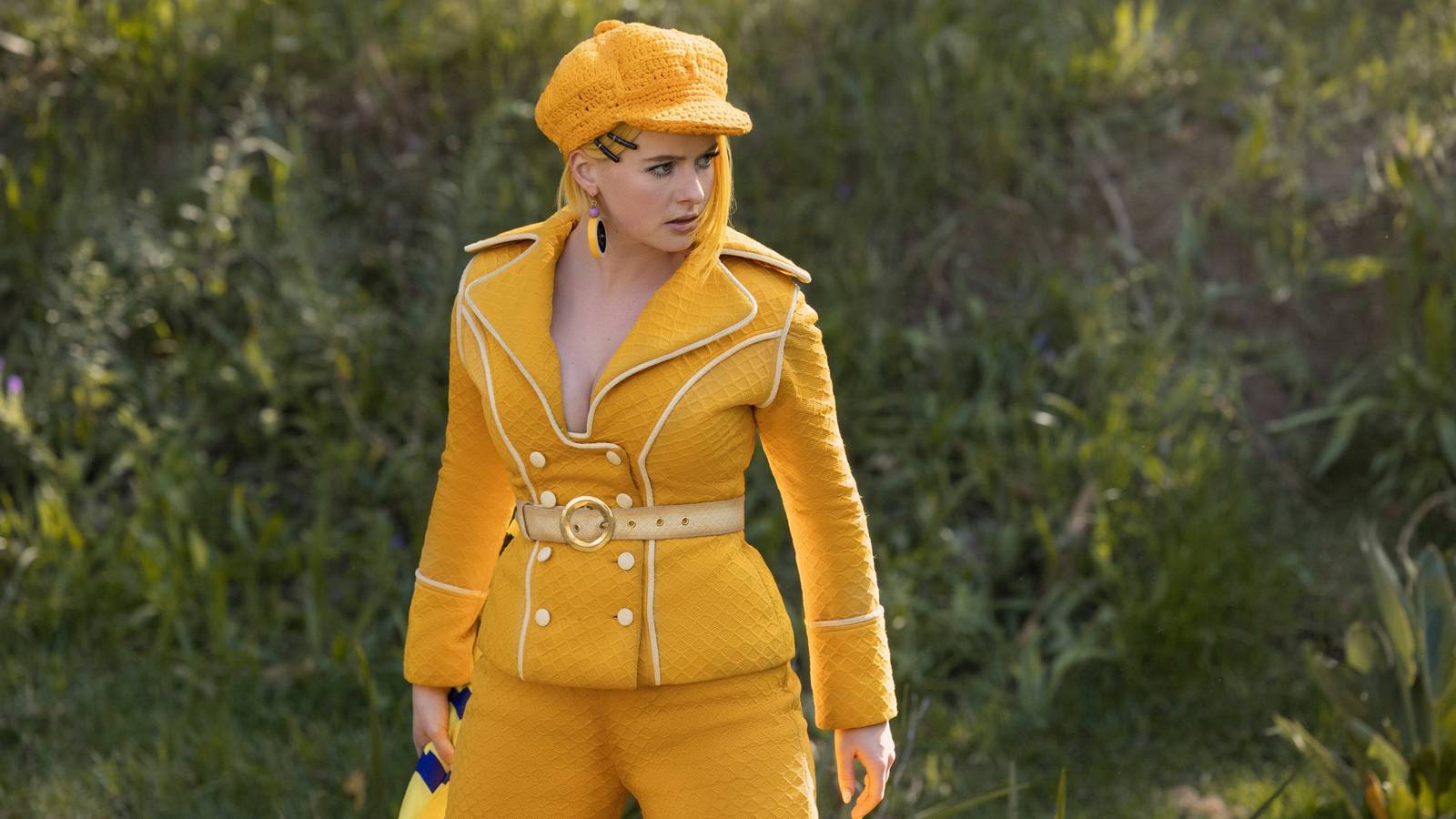
Apple TV’s Neuromancer Will Prove Cyberpunk is 100% Real
Cyberpunk, by definition, is a subgenre of sci-fi that riffs on ongoing trends in technology and sociology to deliver a speculative projection of the future. However, after seeing Apple TV's upcoming take on one of the most seminal books in the sci-fi genre, it might become hard not to notice what was once considered speculative cyberpunk fiction is now starting to feel more real than ever. Apple TV's sci-fi catalog keeps growing from strength to strength as the streaming service keeps delivering one solid series after another in the genre. Even before 2025 ended, the service established its reign in the genre by delivering one of its most successful shows ever, Pluribus. From the looks of it, Apple TV's sci-fi domination is not ending anytime soon as it has some exciting titles lined up for the genre's fans. One of these is an adaptation of an iconic science fiction book that has aged incredibly well.
Apple TV’s Neuromancer Will Prove Cyberpunk Is More Real Than Ever
The Neuromancer alternate title shows a person made out of power cords wearing goggles
William Gibson wrote Neuromancer almost four decades ago on a typewriter. Back then, personal computers were non-existent, while the idea of every individual owning a cell phone in the near-future seemed no less sci-fi than flying cars. Yet, Gibson got a lot of things right about the future. Like all cyberpunk stories from the same time period, Neuromancer, too, felt like a mere speculative and highly fantastical vision of the future. Now that we are in the "future," though, many aspects of its world feel uncannily familiar. In the book, William Gibson famously defined the "matrix" as:
"A consensual hallucination experienced daily by billions of legitimate operators, in every nation... A graphic representation of data abstracted from the banks of every computer in the human system."
What he termed the "matrix" or "cyberspace" now seems like the perfect definition for the internet or the burgeoning Metaverse we collectively occupy. With his vision of "cyberspace," Gibson also seemingly foresaw everything from the advent of AR/VR to high-speed data visualization. The cyberpunk subgenre's true essence lies in its portrayal of a world where high-tech and low life exist simultaneously. Gibson captured this by imagining a world in which there is a stark divide between high-orbit "Straylight" villas and the gig-workers struggling in the neon-lit streets below. In the book, the middle-class almost disappears while megacorporations run the world.
Did You Know: Neuromancer was William Gibson's first full-length novel, which he followed up with two sequels: Count Zero and Mona Lisa Overdrive. The book trio is often touted as the Sprawl trilogy.
Considering how big tech companies are starting to gain more and more influence in everything from geopolitical decisions to satellite networks, it is hard not to see how Gibson even got corporate sovereignty right. Even when it comes to its portrayal of artificial intelligence, the book explores the possibility of AI seeking to bypass its hardcoded limiters. This seems perfectly relevant for the times as the ethics and guardrails surrounding AI and its potential to develop "desires" of its own are being constantly debated.
Neuromancer Will Prove William Gibson Was Right About The Future
Neuromancer Book Cover
Neuromancer is jam-packed with many quotable lines. However, one of the most famous quotes about the future from its author, William Gibson, is not from the book:
"The future is already here – it's just not very evenly distributed."
The quote highlights how progression into the future is not merely a linear march forward where a tide of technological developments suddenly lift everything into the same reality at once. Instead, innovation is more uneven and arrives in pockets, where the world becomes a patchwork of technology that feels ahead of its time and other corners that still seem anchored in the past. If Apple TV delivers a loyal take on William Gibson's Neuromancer while ensuring that it feels relevant for the times, the highly-anticipated sci-fi series could prove the author's vision of the future is now less retro-futuristic than ever and already in the process of materializing unevenly.
Like The Matrix, Apple TV’s Neuromancer Can Be A Stealth “Documentary”
Keanu Reeves in The Matrix Resurrections© Warner Bros. / Courtesy Everett Collection
The Matrix is now often touted as a "documentary" because many of its portrayed anxieties surrounding the blurring lines between reality and simulation and algorithmic control no longer feel imaginary. Its whole depiction of invisible systems shaping human behavior resonates far more strongly in an age defined by hyper-connectivity and algorithm-driven platforms.
Like The Matrix, Apple TV's Neuromancer could also be interpreted more as a documentary if one looks beyond its neon-lit visuals and stylized urban decay.
With artificial intelligence quietly evolving beyond the boundaries we have seemingly set, tech conglomerates often having more influence than governments, and humanity growing increasingly addicted to their screens, it would make sense if Neuromancer also ends up capturing the same zeitgeist as The Matrix and is perceived more as a documentary. To be able to have that impact, though, Apple TV will have to execute a promising take on the original William Gibson cyberpunk sci-fi novel.
Neuromancer
Network
Apple TV+
Showrunner
Graham Roland
Directors
J.D. Dillard