FactCheck: the plans to offer asylum seeker families up to £40k to leave UK
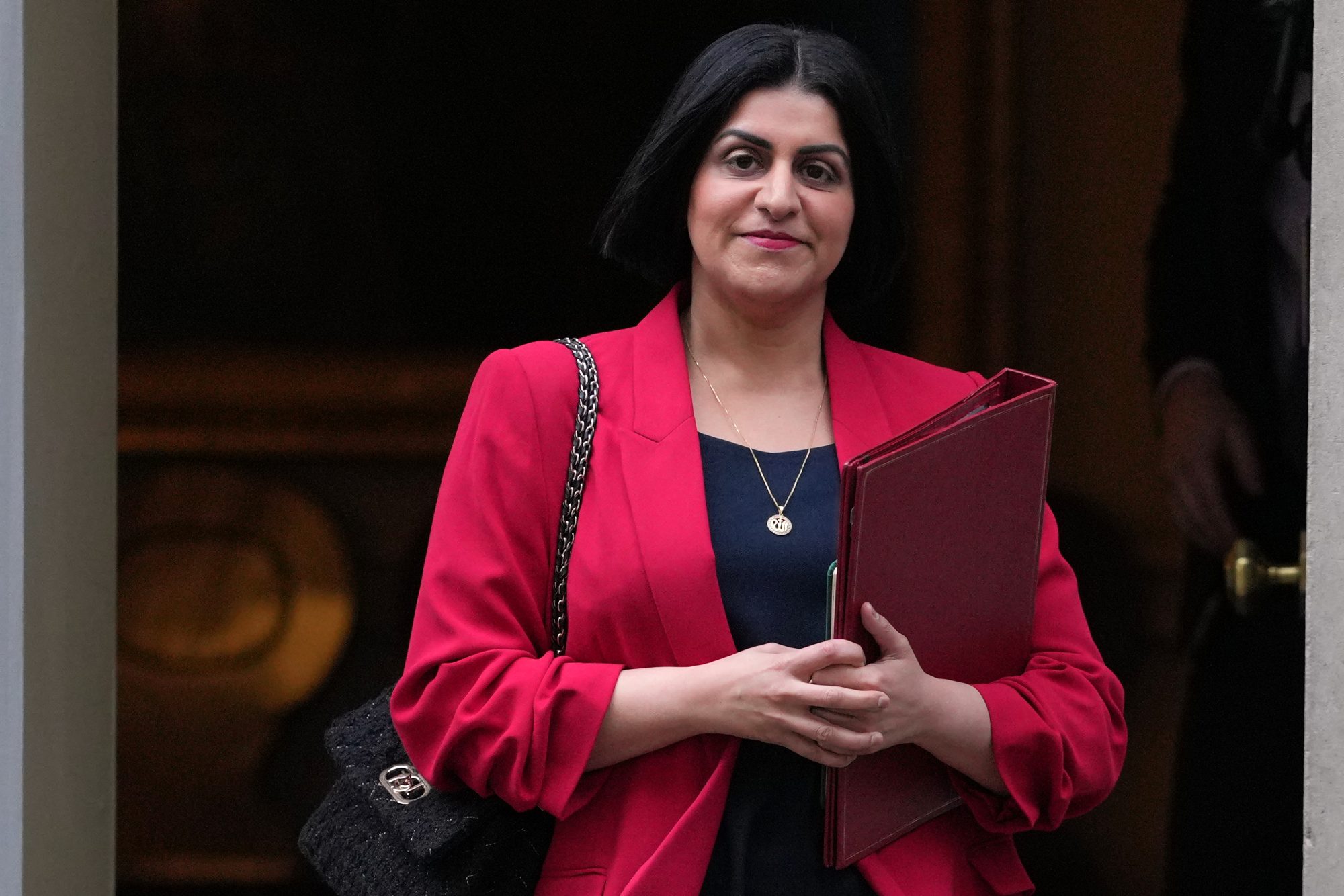
Home secretary Shabana Mahmood has announced a new plan to crack down on the number of asylum seekers arriving in the UK by paying failed refugees up to £10,000 each to leave.
She said the plans – which also include other measures – are based on a system in Denmark, which has had “extraordinary results”.
FactCheck takes a look at the proposed changes, what Denmark has introduced, and if the home secretary’s plans will help to “make it less attractive” for people to come to the UK.
How much will the government pay asylum seeker families to leave the UK?
The home secretary has said failed asylum seekers will be offered up to £10,000 per person to leave Britain – up from the current £3,000 amount – as part of an “increased incentive payment”. For families of four people (the cap), this would be up to a maximum of £40,000 incentive. This is a new pilot scheme and will only initially be offered to 150 people – with offers having already been sent out.
It’s targeted at those living in hotels in a bid to reduce the amount the government is spending on housing families who have had asylum claims rejected and exhausted all appeals.
These incentives will bring a “significant saving” to the taxpayer if they prove effective, she added.
The home secretary said that the new scheme – if successful – is estimated to save £20m.
Ms Mahmood explained: “It costs £158,000 to put up a family of three in an asylum hotel for one year. It costs £48,000 more to forcibly remove someone. A £10,000 per person incentive, up to a max of £40,000 per family, will save money.”
But for those who refuse voluntary removal, Ms Mahmood said the government “will escalate to an enforced removal for those who can be returned to their safe home country”.
Does Denmark have a similar scheme?
In a post on social media site X, the home secretary compares the new pilot scheme to Denmark, where she writes that “higher incentives have worked”, as “95 per cent of returns there are voluntary”.
She added: “These incentives are not a pull factor. Asylum claims in Denmark are at a 40-year low. And asylum seekers spend tens of thousands of pounds getting to this country, that’s more than any incentive payment.”
The home secretary said the government “will now pilot a similar model for families who are failed asylum seekers”.
Denmark does offer a reintegration scheme for failed asylum seekers, but this is not a cash amount that goes directly to the individual, the Danish Refugee Councils explained.
Instead, the support of up to 20,000 Danish Krone per person (around £2,317), is provided by organisations in the asylum seeker’s home country.
The support can be used for things like short-term temporary accommodation, help to find employment, and medicine. The organisation supporting the individual in their home country then monitors the returnee for a year after leaving Denmark.
Ms Mahmood is correct in saying that Denmark has a success rate of deporting 95 per cent of failed asylum seekers, but this also relates to it implementing a number of other controversial rules that can make it difficult for the asylum seeker to remain in the country.
This includes allowing the government to seize asylum seekers’ assets to fund their stay in Denmark, those who are refused asylum being required to live in “departure centres” to incentivise voluntary return, and residency sometimes being revoked once a home country is deemed safe.
Ms Mahmood has announced other new plans to crack down on small boat crossings which are in line with the Danish model. For example, Denmark has a two year limit on asylum status and in the UK, any asylum seeker given refugee status will only be offered temporary protection for 30 months – a reduction from the previous five year allowance.
Will Shabana Mahmood’s plan reduce small boat crossings?
These new payment plans might incentivise people to leave the country, but will it deter them from coming back again via small boat – or put off others who might otherwise make the crossing?
During a press briefing, Channel 4 News’ Darshna Soni asked the home secretary if these new rules will deter small boat crossings and if there was a target in place for reducing the number of these.
But Ms Mahmood said she hasn’t “set an artificial target because we’ve seen what unrealistic targets have done to public confidence in migration”.
We asked the Home Office if Ms Mahmood’s plan would deter crossings and it referred us to the press briefing, as quoted above.
We then asked if the scheme could incentivise people to come across to claim the £10,000, or return home with the money and travel across again. The government referred us to the home secretary’s post on social media site X.
FactCheck spoke to Dr Mihnea Cuibus, a researcher at The Migration Observatory, who told us that, in theory, although higher payments may create a higher incentive to leave, “the real impact” will depend on who is offered these payments and the countries they come from, including the economic and security situation there.
She added that “it’s not clear” if these increased payments could have “any meaningful deterrent effect” when it comes to people crossing the Channel in small boats, as there’s not many studies examining the link between the two.
And the studies that do exist don’t find a strong link, Dr Cuibus added.
She also noted that it’s likely that asylum seekers in France – who might be considering crossing the Channel to Britain – have “a rather limited understanding of UK asylum policies or the situation they would have to face if they got to the UK and were eventually refused asylum”.
However, “a lot depends on how such increased payments are implemented and how many people might become eligible for them”.
As the pilot is currently small, Dr Cuibus said: “Any significant effect in terms of attracting or deterring migrants would require the scheme to be greatly expanded. It remains unclear if and how that will happen in the future.”