Nostradamus' chilling 2026 prophecy resurfaces as US-Iran war escalates
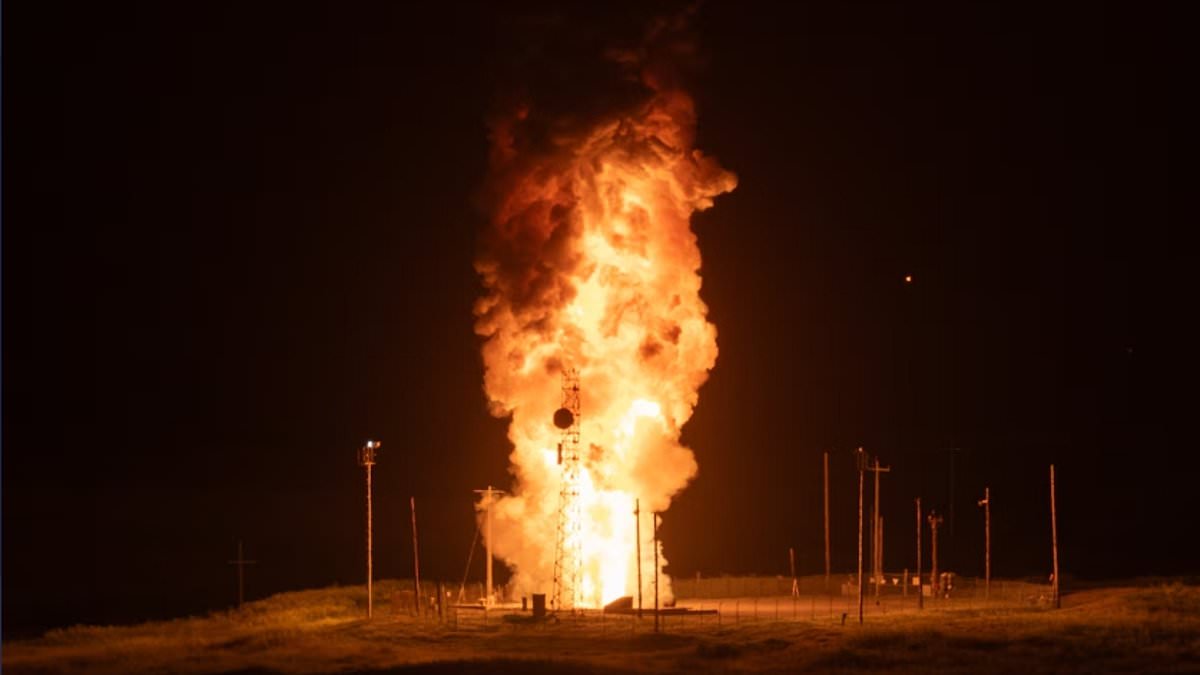
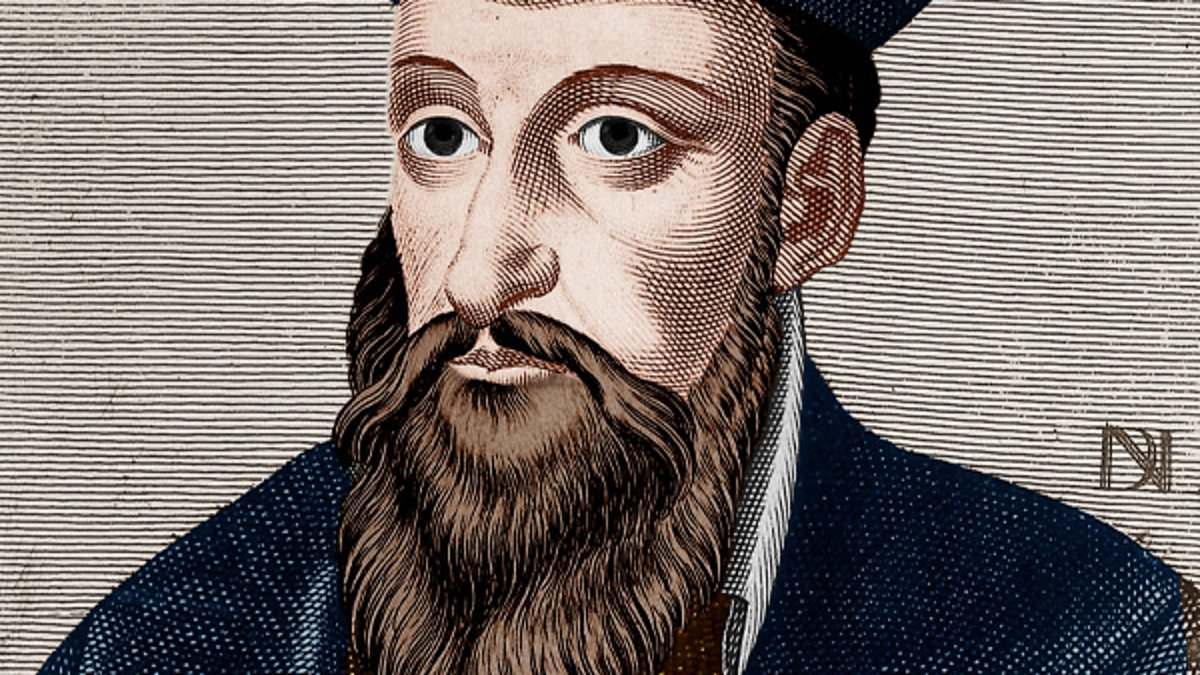
Nostradamus' centuries-old prophecies are resurfacing as followers of the mysterious seer claim several of his predictions appear to be unfolding in 2026.Born Michel de Nostredame, the 16th-century astrologer is believed by some to have predicted major world events, including the 9/11 attacks and the death of Princess Diana, in his 1555 book 'Les Propheties.'While the writings do not include exact dates, believers say a number of his cryptic passages could relate to events happening this year, from escalating global conflicts to political turmoil.One passage, labeled Quatrain I:26, reads: 'The great swarm of bees will arise… by night the ambush…', which some have interpreted as the warfare drones being used by both the US and Iran.Supporting that theory is another prediction warning of a prolonged conflict: 'Seven months great war, people dead through evil / Rouen, Evreux, the King will not fail.'Followers believe the reference to a 'seven-month war' could be a warning about how long the conflict in the Middle East might last.Another of Nostradamus's predictions reads: 'When Mars rules his path among the stars, human blood will sprinkle the sanctuary. Three fires rise from the eastern sides, while the West loses its light in silence.'Because Mars was the ancient Roman god of war, some interpreters believe the passage suggests 2026 could be another year marked by violent global conflict. While the writings do not include exact dates, believers say a number of his cryptic passages could relate to events happening this year, from escalating global conflicts to political turmoilThe predictions are resurfacing as tensions in the Middle East escalate dramatically.The US and Israel pounded targets across Iran on Saturday, dropping massive bombs on the country's ballistic missile sites and wiping out warships as part of an intensifying military campaign following the killing of Ayatollah Ali Khamenei.More than 1,000 people have been killed in Iran since the war began, according to the US-based Human Rights Activists News Agency.President Donald Trump has repeatedly said Iran can never have a nuclear weapon.He claimed to have 'obliterated' Tehran's nuclear program in strikes last June, but said this week the country had attempted to rebuild it. However, Iran does not currently possess a nuclear arsenal.As the conflict intensifies, followers of Nostradamus say the developments are eerily similar to the seer's centuries-old warning of a 'seven-month war.' Some interpreters also pointed to Nostradamus's repeated references to sudden attacks and strange weapons as further evidence that his writings may reflect modern warfare.In Quatrain I:26, the mysterious line about a 'swarm of bees' rising in the night has long puzzled historians and prophecy enthusiasts. One of his prophecies mentions a 'seven-month war,' which some believers suggested warns how long the conflict in Iran (PICTURED) could lastWhile scholars often argue the passage refers to medieval warfare or symbolic imagery, modern interpreters have increasingly linked the phrase to drone swarms, unmanned aircraft capable of striking targets under the cover of darkness.Read More Interactive map reveals your nearest nuclear shelter and states that are MOST exposed... amid fears of US attack: Make an emergency plan now Drone warfare has become one of the defining features of modern conflicts, particularly in the Middle East and Eastern Europe. Both Iran and the US have invested heavily in drone technology, with unmanned aerial vehicles now capable of surveillance, targeted strikes and coordinated swarm attacks.Some Nostradamus followers claim the image of buzzing 'bees' emerging in the night could metaphorically describe the sound and appearance of drones as they move toward targets.Others have focused on the prophecy warning of a 'seven months great war,' suggesting it could point to a prolonged regional conflict rather than a short military campaign.Although historians caution that Nostradamus's quatrains are deliberately vague and open to interpretation, his writings frequently resurface during moments of global crisis.The astrologer, who died in 1566, wrote nearly 1,000 prophetic poems in Les Propheties, many of which describe disasters, wars and political upheaval. Because the verses were intentionally cryptic, mixing French, Latin and symbolic language, they can be interpreted in many different ways.As a result, major world events often trigger renewed interest in his writings.From wars and economic crises to pandemics and political turmoil, believers have repeatedly searched Nostradamus's centuries-old verses for clues about what might happen next.And as tensions between the United States and Iran continue to escalate, some prophecy enthusiasts believe the 16th-century seer's ominous warnings may once again be unfolding in real time.