Cats turn their noses up at being helpful with humans... and THIS is why they won't lift a paw
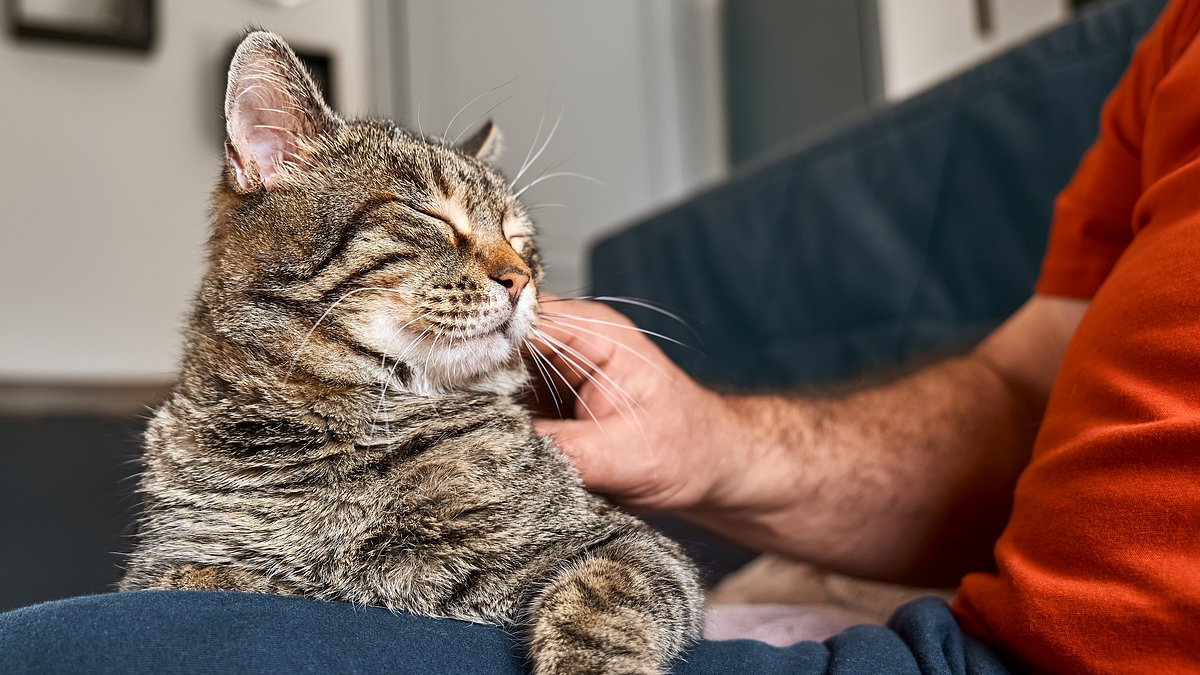
They say curiosity killed the cat but experts have found the opposite to be true – they are quite happy to watch you struggle, unless they sense a reward.A study has found that while a pet dog or a toddler will help to search for a missing item, the feline of the family won’t lift a paw.Researchers from Eotvos Lorand University in Hungary studied the reactions of untrained pet dogs, pet cats and children aged 16-24 months to situations in which a familiar person is hunting for a hidden object.Dogs and children displayed similar behaviour, with more than three-quarters indicating where the object was or retrieving it.Cats, however, paid attention but rarely helped – except when the item was their own treat or toy.‘This suggests that domestication, sharing our home, and forming close bonds are not sufficient to produce spontaneous, human-like helping behaviour,’ said study author Marta Gacsi. The team concluded ‘cats were significantly less likely to show spontaneous object-related behaviours when it did not directly benefit them’.They added: ‘In certain contexts, dogs tend to spontaneously help their human caregivers to a similar degree as 16-24- month-old children, even in the absence of a direct reward.’ A study has found that while a pet dog or a toddler will help to search for a missing item, the feline of the family won’t lift a paw (file image)But when the object was a cat’s toy or food, they approached it at a similar rate to dogs and children.‘Cats only engaged when it benefited themselves,’ the researchers said. They added that this does not suggest cats are ‘mean’.Rather, when there is no clear reason to get involved, cats may choose to watch instead of act, reflecting greater independence and lower reliance on humans. The findings, in the journal Animal Behaviour, are attributed to the fact cats ‘domesticated themselves’ and were never selectively bred for their co-operation.In evolutionary terms, dogs were bred for herding or hunting – cats were never specifically selected for their ability to be helpful to humans.In the test scenario, the object was hidden in plain view of the child, dog or cat and the caregiver did not ask for help.Analysis of the data showed that while up to 60 per cent of dogs and nearly half of children approached the objects to indicate where they were hidden, none of the cats did.
Share or comment on this article:
Cats turn their noses up at being helpful with humans... and THIS is why they won't lift a paw