Wexford’s Derek Kent chosen as next GAA president
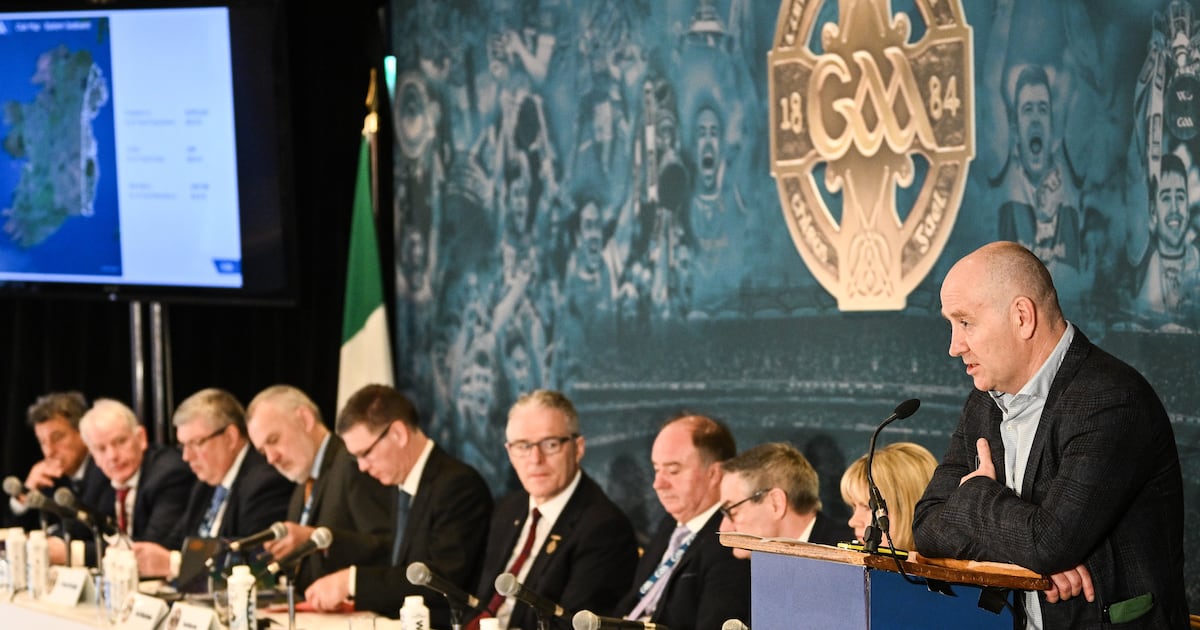
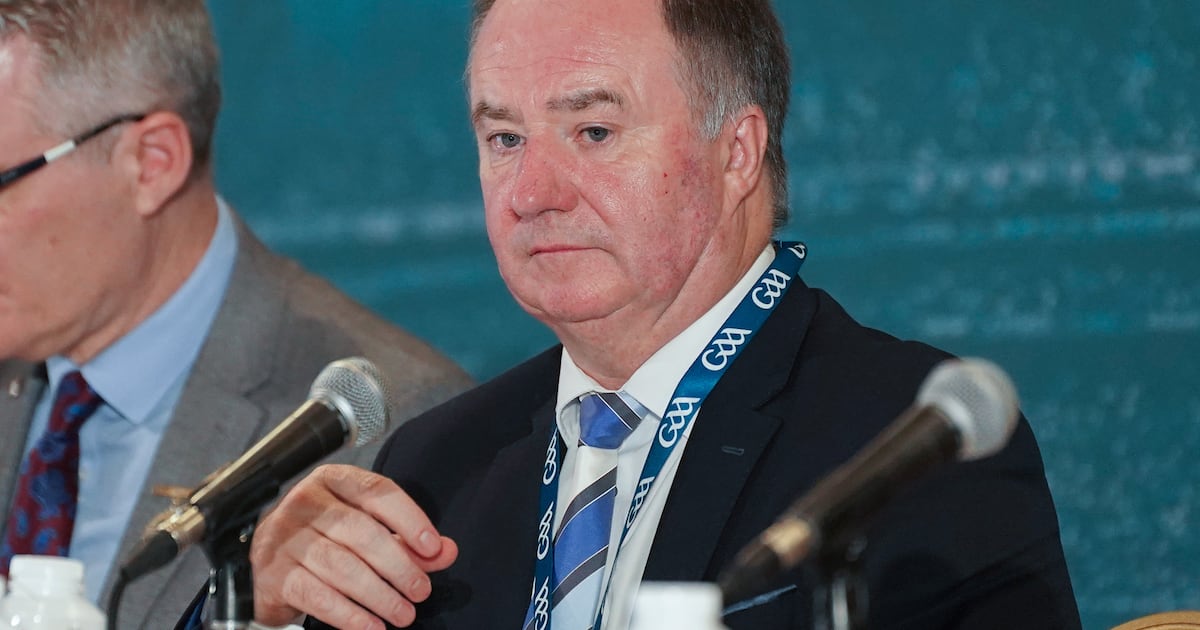
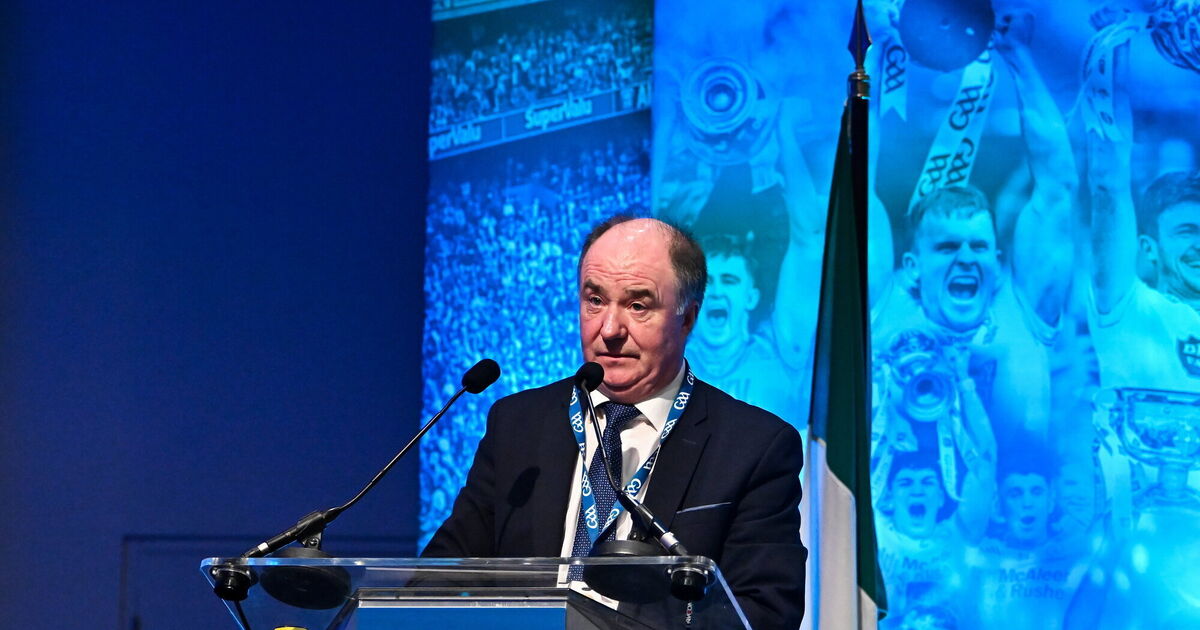
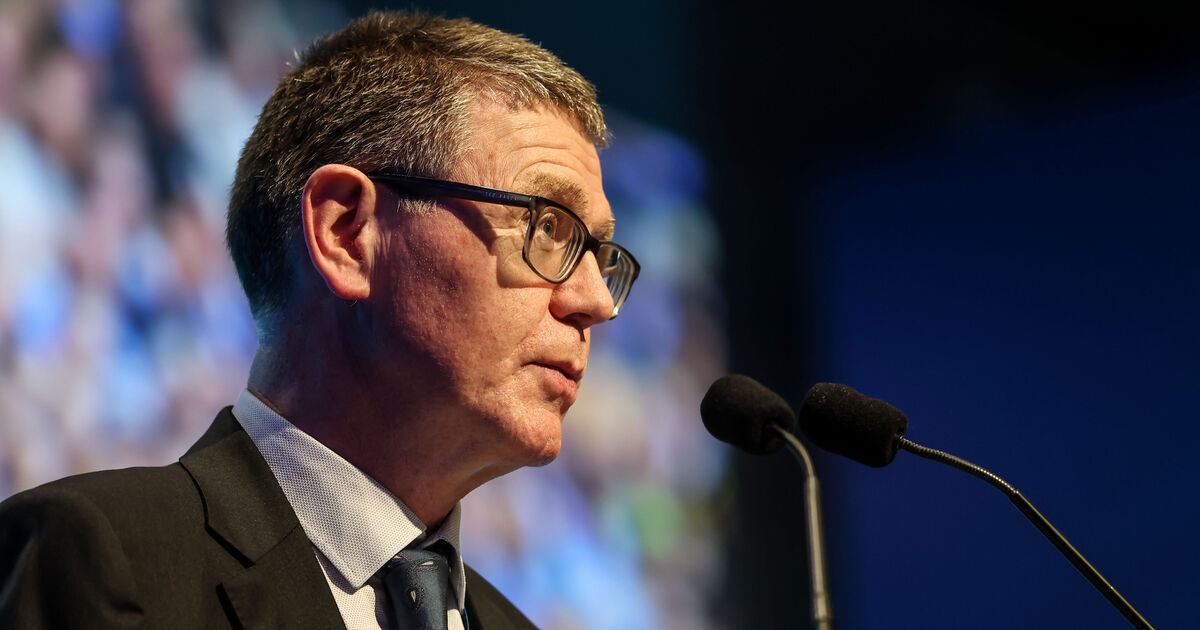
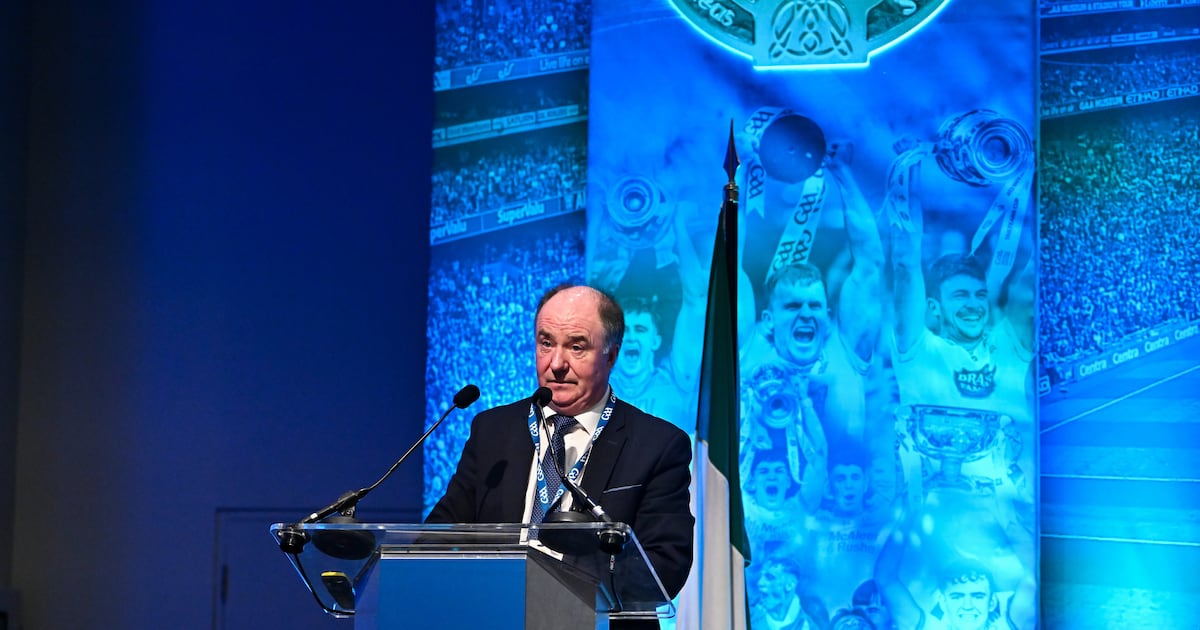
Wexford’s Derek Kent will become the 42nd president of the GAA.The Taghmon-Camross clubman was elected on the first count at GAA Congress at Croke Park on Friday night, receiving 169 votes to surpass the 139 quota.Kent beat Tipperary’s Ger Ryan (76 votes) and Sligo’s John Murphy (32 votes) to be elected as Jarlath Burns’ successor.Kent, who will take office in February 2027, will be the first Wexford president of the GAA since Michael Kehoe in 1952.READ MOREJudge throws out rugby club challenge in Foxrock playing fields rowPat Gilroy: ‘I think the magic and the power of the GAA is the club. It’s a lifelong thing’ RTÉ receives €3m for 50% share of GAAGOCiarán Murphy: The alarm clock is sadly already set to end the Mayo dream of Kobe McDonaldHe was chairman of his native county from 2017-2020 and more recently served as Leinster Council chair until last month. Kent also previously chaired the GAA’s Central Competitions Control Committee.Addressing delegates after the vote, Kent said: “I will always do the right thing for the GAA.”Meanwhile, the contentious issue of the GAA retaining Allianz as sponsors was raised by director general Tom Ryan in his speech but, surprisingly, when delegates had the opportunity to respond, nobody in the room did so.Given the protests that have occurred at several county grounds during the National Leagues, it had been expected the issue would generate debate at Congress but the topic was not commented upon by the floor.Speaking about Allianz during his speech, Ryan stated: “I do think we need to bear in mind where our responsibilities begin and end as an organisation.“We are motivated by the right things and we do want to do the right things and we are a force for good in communities and all that is really important.“We are here this weekend to guide and lead the GAA, nothing more and nothing less. The aim of the association is to promote Gaelic sports in our communities and every decision and every course of action that we take can only really be viewed through that lens – Gaelic games, hurling, football, rounders, handball. GAA director general Tom Ryan. Photograph: David Fitzgerald/Sportsfile “I know there are other issues in the world and they are actually more important issues than whether we play an All-Ireland final in August or July, there are a lot more important things to be considered. “But there are other organisations and other agencies society trusts in managing those issues. Those are the agencies with the expertise and the authority to take action in those areas, we don’t. “Our playing field is football and hurling and our responsibility is to mind the GAA – that means being careful about taking absolute decisions.”No motions were tabled on Friday night, with the business of voting on all proposals to take place when Congress resumes on Saturday morning.However, it appears many of the key motions could be defeated.In particular, the proposal from Central Council to push the intercounty season out to August seems to be doomed. A campaign against moving the All-Ireland finals from July has dominated the conversation in recent weeks.While those against the move have been very vocal, there has been very few supporters prepared to beat the drum for August. The dial now looks to have moved decisively on the matter.There is also growing doubt over a proposal to introduce a Uefa-style licensing system, whereby counties would need to obtain certification annually to be eligible to play in competitions.Despite the clear merits of the system, the mood-music around Croke Park on Friday night suggested the proposal by the Amateur Status Review Committee faces a challenge to garner sufficient support to pass.It seems the motion by Fermanagh club Tempo Maguires to reinstate minor finals as the curtain raisers to the All-Ireland senior hurling and football deciders will also struggle to attract 60 per cent, with some speculation on Friday night the proposal might even again be withdrawn – as happened two years ago.Finally, the Clontarf motion requiring players to make a minimum of eight club appearances per season to be eligible for their county team the following year also faces a tricky ballot.