From Galway to Gdansk: ‘I see the amount of Poles moving back. I want the same for Ireland’
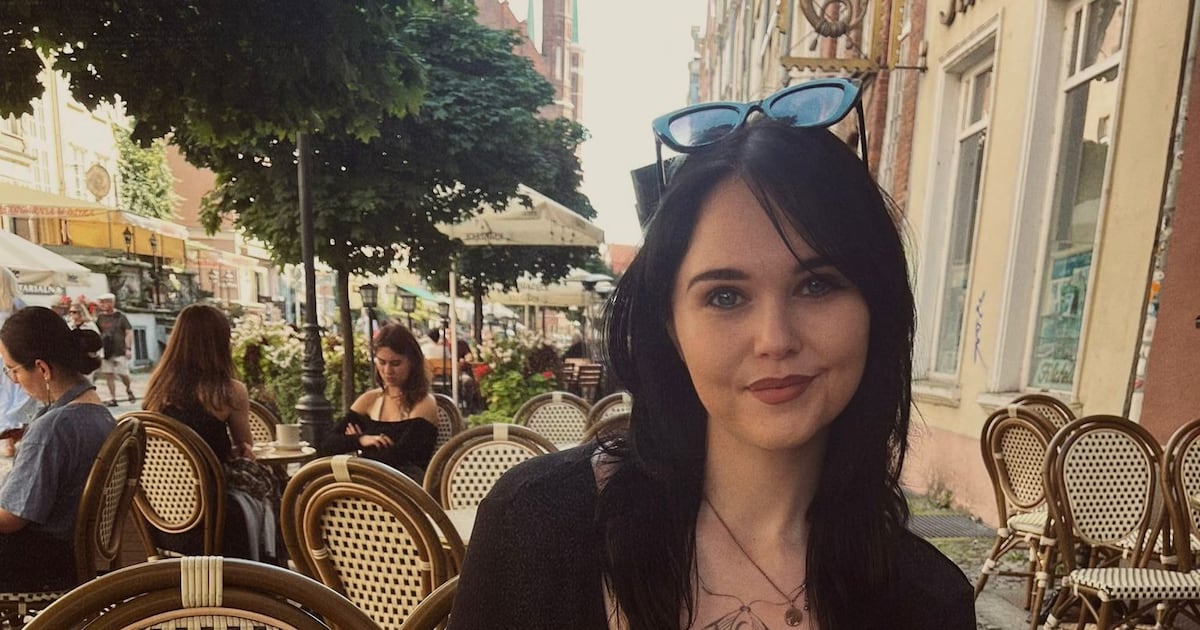
“It’s not for the fainthearted,” says Lauren Fay of her decision to upsticks from her native Galway to the Polish port city of Gdańsk.Fay, “a homebody”, had “never wanted to leave Ireland” and “didn’t want to hop on the Australia bandwagon”, but like many of her generation in their 20s that left, “it was the housing crisis”.Her newly adopted coastal home, where she moved with her Polish partner, is “beautiful”, “not too chaotic” with a “lovely old town” that has the “nice cosy feeling I love about Galway”.Emigrating to Poland is against the prevailing direction of travel, as a walk down the streets of almost any Irish town with a polski sklep or two will attest. Some 100,000 Poles live in Ireland, from a high of more than 200,000 post-2004 EU accession. Many Poles have returned home, attracted by a booming economy, rising wages and lower costs of living. READ MOREI am grateful our son is growing up here, on the beach in Longeville-sur-MerIs there a version of me living in a French village who pronounces croissant ‘kwassun’? Share your story of bidding on property in IrelandI had always intended to return to Ireland, but it feels ever less likelyHowever just 2,000 Irish people are estimated to live in Poland. The vast majority of immigrants into Poland are Ukrainians, followed by Belarusians, Russians and Vietnamese (a migration dating back to communist times). Fay said she has only heard of two Irish people in Poland since arriving last autumn. “There are so few of us western Europeans,” she says. Fay’s partner first moved to Ireland about a decade ago. When the couple decided to live together they ended up moving in with Fay’s parents. “We were looking for ages. On paper we were [good candidates] both working full time, no kids ... the rejections and the ghosting got really frustrating”.[ Poles in Ireland: ‘You’re always going to be a blow-in, no matter how long you live in a place’Opens in new window ]While her parents were “brilliant” it was “getting to us mentally,” says Fay. “This is not the normal progression.....buying a house wasn’t even on the cards, we couldn’t even rent”. After a year of sleeping in her childhood bedroom and having considered other cities like Amsterdam, the couple booked a one way flight, and began to sell their car and look for work and housing in Poland.Lauren Fay in Gdansk, Poland Finding a job was far more difficult than she expected in an economy where jobs are plentiful, while her partner, a barber, found it easy. “There were a lot of rejections,” she says. “You think ‘of course they want someone from Ireland’ but it brings you back down to earth”. Not having the language was the biggest barrier to employment. Polish is the most commonly spoken foreign language in Ireland. But it’s one of the “hardest in the world” to learn, says Fay of the complex Slavic language. Her Plan B for work, an Irish bar, was also a challenge because they also wanted her to speak Polish. Fay finally got lucky, with a referral from a Czech girl she met on a foreigners’ Facebook group, to an international company for whom Fay can work remotely.Being Irish also made finding a home more challenging than she expected. “Landlords were a little bit hesitant of me, asking why I was coming,” she says. Even for her partner, they were hesitant when they heard he had an Irish girlfriend. They got lucky again, finding a landlord who was Italian with a Polish wife.Having got through the difficult set up period, Fay finds materially it’s “really affordable and a lot more comfortable” and very safe for women. One of the big changes is the “quality of life”. “We can afford to live, to go to gigs, the cinema. It’s definitely a shocker when you think of Ireland, why can’t we just do the same things there?”. Rent is about €1000 a month for a one-bed apartment 15 minutes from the city centre. Groceries cost €20-€25 a week.What is the biggest difference? “The people,” says Fay. “Irish people naturally crave craic and soundness and a sense of community” she says. The Polish are “naturally a bit more closed off and keep to themselves”. She says this is a “bit of a blocker” on trying to integrate and you have to “work hard” to get them to trust you. After a decade abroad her partner “feels more Irish than Polish” and “misses the craic and sense of belonging”. The food is the other big difference, though there is much more international cuisine available in Poland than there used to be as its economy has grown sharply. But there are some Irish things that can’t be replaced. “I take a half an hour train once a month to buy some Kerrygold, there is only one supermarket where they sell it for €7. And Mammy brings me over Barry’s tea bags when she visits.″ [ Adventures in Gdańsk: A few bars of Whiskey in the Jar later and I’m searching for my life jacketOpens in new window ]Fay found her first Christmas away from home upsetting “you feel like you’ve been pushed out”. Returning to the tens of thousands of Polish emigrants who have returned in recent years, she says “I see the amount of Poles moving back here. I want the same for Ireland”. Are you Irish and living in another country? Would you like to share your experience in writing or by interview? You can use the form below, or email abroad@irishtimes.com. Irish Times Abroad submission guidelines here.